



Sydney: Heatwave conditions have affected large parts of Australia, with authorities issuing widespread warnings as temperatures climb to dangerous levels across several states.
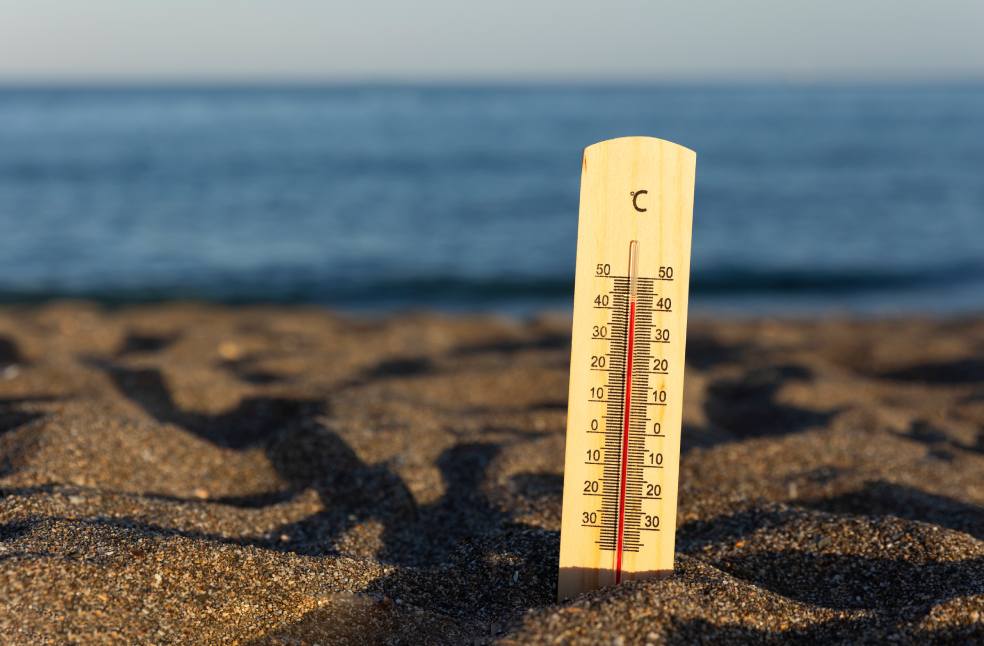
The heatwave has coincided with Australia Day celebrations, placing additional pressure on emergency services and public health systems as millions gather for outdoor events. The Bureau of Meteorology has said temperatures are expected to peak in many regions, with forecasts suggesting highs approaching 50 degrees Celsius in some parts of the country.
Western Australia, particularly the Pilbara and interior regions, has been placed under extreme heatwave alerts, while South Australia and Victoria continue to face severe to extreme conditions. Major cities such as Adelaide and Melbourne are expected to record temperatures in the low to mid-forties, heightening concerns about bushfire risks and heat-related illness.
New South Wales and Queensland have also remained under high to severe heatwave conditions. Sydney and Brisbane are forecast to reach the upper thirties to low forties, combined with increased fire danger. In the Northern Territory, extreme heat has persisted, with humid conditions around Darwin making the temperature feel even higher and increasing discomfort for residents and visitors.
Health authorities have emphasised that the heatwave presents serious risks, especially for vulnerable groups such as older people, children and individuals with existing medical conditions. Residents have been advised to stay hydrated, avoid strenuous activity during peak heat hours, and seek air-conditioned environments whenever possible.
Monitoring for symptoms such as dizziness, nausea and confusion has been strongly recommended, as these can indicate heat exhaustion or heatstroke. Emergency services have increased readiness nationwide, allocating extra resources to respond to potential heat-related incidents.
The heatwave has raised concerns about strain on electricity networks as air-conditioning use surges, as well as the possibility of transport disruptions and medical emergencies during public gatherings.
Despite the extreme conditions, Australia Day celebrations have continued in many areas, with organisers implementing heat mitigation measures. Events in Sydney Harbour and other major centres have included shaded areas, hydration stations and adjusted scheduling for performances. In some locations, outdoor activities have been scaled back or cancelled where risks were considered too high.
The heatwave has also intensified fire danger across much of southern Australia. Authorities have warned that hot, dry conditions combined with gusty winds could rapidly escalate any fire outbreaks. Fire services remain on high alert, particularly in South Australia, Victoria and parts of New South Wales, where bushfire threats have historically been severe during similar weather patterns.
Meteorologists have noted that several locations are approaching or may break long-standing temperature records. Western Australia and South Australia have been identified as particularly vulnerable to extreme readings, reinforcing the seriousness of the current heatwave.
The situation has highlighted the challenges of managing public safety during periods of extreme weather, especially when major national celebrations are underway. Officials have continued to stress that community awareness and personal responsibility remain essential in reducing risks.
The ongoing heatwave has underlined the importance of preparedness, early warnings and coordinated emergency responses, as Australia faces one of the most intense national day weather events in recent years.
MOST READ | Greenland visit by Danish PM signals unity after Trump threats
