


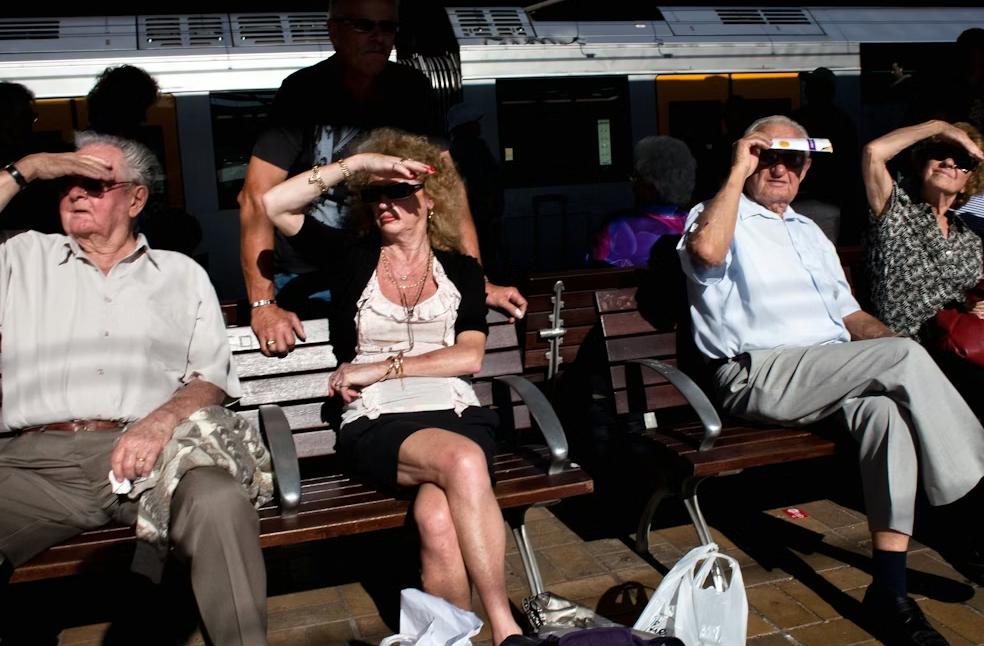
Sydney: Heatwave conditions have continued across Australia’s south-east, extending into an eighth day as large parts of the region have remained under extreme temperature warnings.
Forecasts have indicated that a long-awaited cool change is expected to arrive over the weekend, bringing an end to prolonged blistering conditions that have pushed temperatures well above 40C in several areas. Despite the expected shift, the heat has persisted through Saturday. Heatwave warnings have remained active for parts of every state and territory except Tasmania.
Canberra has been forecast to reach a maximum of 41C, while inland areas of New South Wales, including Broken Hill, have been expected to exceed 45C. Conditions have remained severe in South Australia and western New South Wales, where some locations recorded temperatures approaching 50C on January 30.
Record temperatures have been observed across northern South Australia and western New South Wales. Marree recorded 49.8C, while Andamooka near Roxby Downs reached 50C, marking new temperature records for both locations.
Marree has experienced temperatures above 46C for seven consecutive days, highlighting the intensity and persistence of the heatwave. Other centres, including Ceduna, Port Augusta, Port Pirie and Tarcoola, have also recorded temperatures above 48C during the week.

Forecasts for January 30 have pointed to continued extreme heat across inland areas. Ivanhoe in western New South Wales has been expected to reach 49C, while Wilcannia and Cobar have been forecast at 48C and 47C respectively. Mildura in Victoria has been tipped to hit 45C, and Thargomindah in Queensland has been forecast to reach 46C.
Senior meteorologist Dean Narramore from the Bureau of Meteorology has said inland parts of south-eastern Australia have endured record heat throughout the week, with January 31 likely marking the final day of temperatures in the mid to high 40s. Narramore has explained that widespread rain and storms linked to a monsoon low in tropical northern Australia are expected to push cooler air southwards.
The incoming system is expected to bring gusty winds and significantly lower temperatures to parts of Victoria and South Australia, before moving through the remainder of the south-east on February 1. In some areas, temperatures are forecast to drop by as much as 15C.
While inland regions of south-western Queensland and northern South Australia are expected to remain very hot for one more day, cooler coastal conditions and thunderstorms have been forecast for parts of New South Wales and southern Victoria.
The prolonged heatwave has placed pressure on communities, infrastructure and emergency services, with authorities continuing to urge residents to take precautions as the extreme conditions ease.
POPULAR | Tesla shifts focus to AI and robots as car revenues fall
