



Australia: Derby, a remote coastal town in Western Australia’s Kimberley region with a population of about 3,200, is preparing for dangerous conditions as severe Tropical Cyclone Hayley approaches the coast.
With only one road connecting Derby to the rest of the region, residents are acutely aware of the risks. Memories remain fresh of ex-Tropical Cyclone Ellie, which triggered catastrophic flooding three years ago and left Derby and surrounding communities isolated for weeks.
Tropical Cyclone Hayley, currently a category-three system, was located about 185km north-west of Broome and tracking east, with landfall expected near Cape Leveque by evening. The Bureau of Meteorology reported winds near the centre reaching 140km/h, with gusts up to 195km/h, and warned that destructive to very destructive winds could intensify ahead of landfall.
Local businesses have moved quickly to prepare. Derby/West Kimberley shire president Peter McCumstie said the town was no stranger to cyclones, with seasonal preparations such as tree trimming and drainage clearing already in place. However, he warned that flooding during and after the system remained a serious threat.
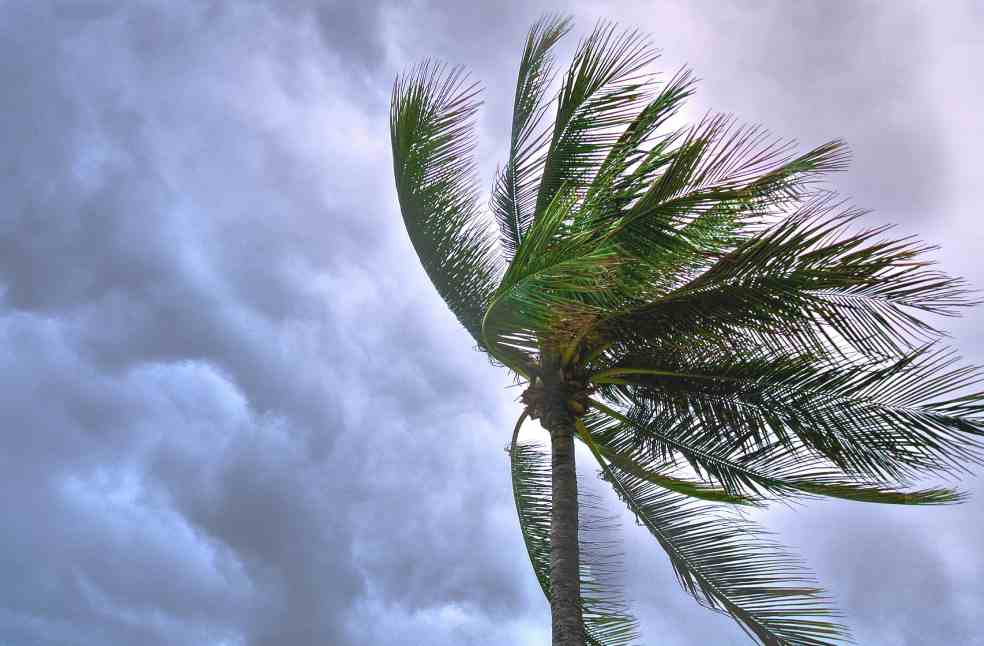
Peter McCumstie remarked that, “As TC Ellie taught us in 2023, this can be devastating.” Meteorologists warned that damaging gales, heavy rainfall and flash flooding could bring down trees and power lines and close outback roads. Derby’s location at the base of King Sound, known for tides of up to 12 metres, adds to the risk, with a high tide expected around 6 pm, potentially worsening coastal impacts.
WA’s Department of Fire and Emergency Services urged residents in the emergency warning area to shelter indoors immediately, warning it was too late to evacuate. An evacuation centre has been opened at the Broome Recreation and Aquatic Centre. Prime Minister Anthony Albanese said the nation’s thoughts were with affected communities as they prepared for the cyclone.
Australia’s tropical cyclone season runs from November to April, with climate experts warning that while future cyclones may become less frequent, they are likely to be more intense due to climate change.
Meanwhile, on the opposite side of the country, northern Queensland communities are grappling with severe flooding from a slow-moving monsoon trough, with some areas recording nearly 800mm of rain in just three days.
TOP PICKS | Train derailment in Southern Mexico kills 13; Injures nearly 100
