


Cape Town: In South Africa, a country long plagued by some of the world’s highest rates of gender-based violence (GBV), a horrific family tragedy led Leonora Tima to create an innovative digital tool, ‘Grit,’ to help victims find support and justice.
The attackers were never caught, and that silence became the catalyst for her to build Gender Rights in Tech (Grit), a mobile app featuring an AI chatbot called Zuzi, aimed at providing safe spaces for people, particularly women, to report, track, and talk about abuse.
Developed as one of the first AI-powered African-led tools to combat gender-based violence, Grit represents what Leonora calls ‘an African solution co-designed with African communities.’
The app helps users record and report abuse while gathering evidence that could later assist in legal proceedings. It has drawn growing attention from international women’s rights advocates, though some experts stress that AI should not replace human empathy and professional counselling, especially in trauma care.
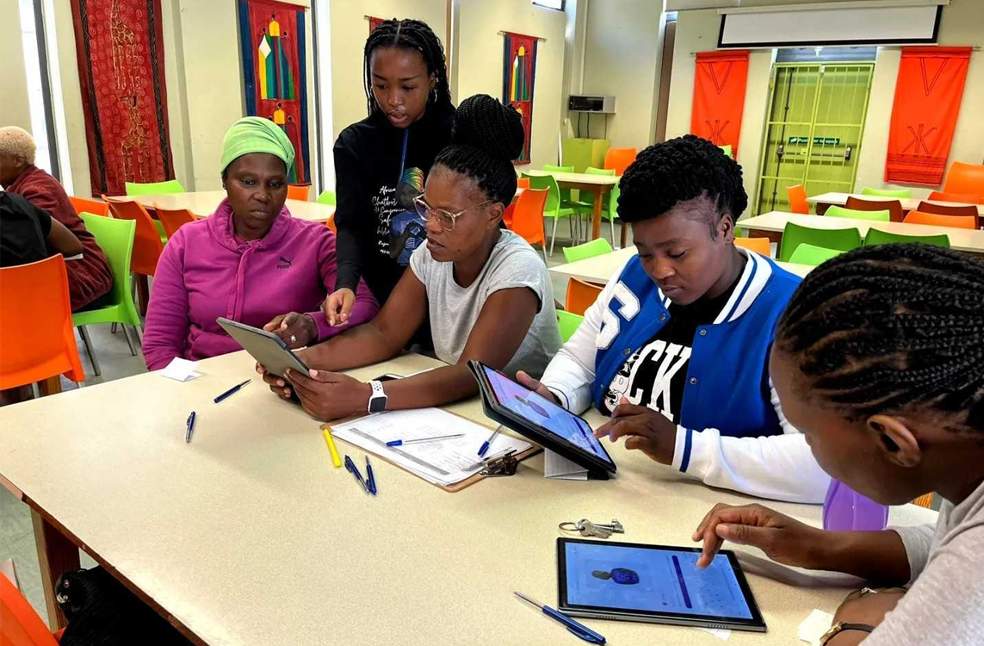
Leonora and her small team began by visiting townships around Cape Town, speaking directly to community members about their experiences with violence and the role of technology in their lives.
Surveys conducted with over 800 participants revealed that while many wanted to speak up about abuse, they often distrusted traditional routes such as the police. Some women resorted to posting about abuse on social media, even tagging their abusers, only to face defamation lawsuits in return.
With funding and technical backing from Mozilla, the Gates Foundation, and the Patrick McGovern Foundation, Leonora’s team developed Grit to allow users to record, report, and receive help in real time.
The app is free to use (requiring only mobile data for download) and currently has 13,000 users, having logged around 10,000 requests for help in September alone.
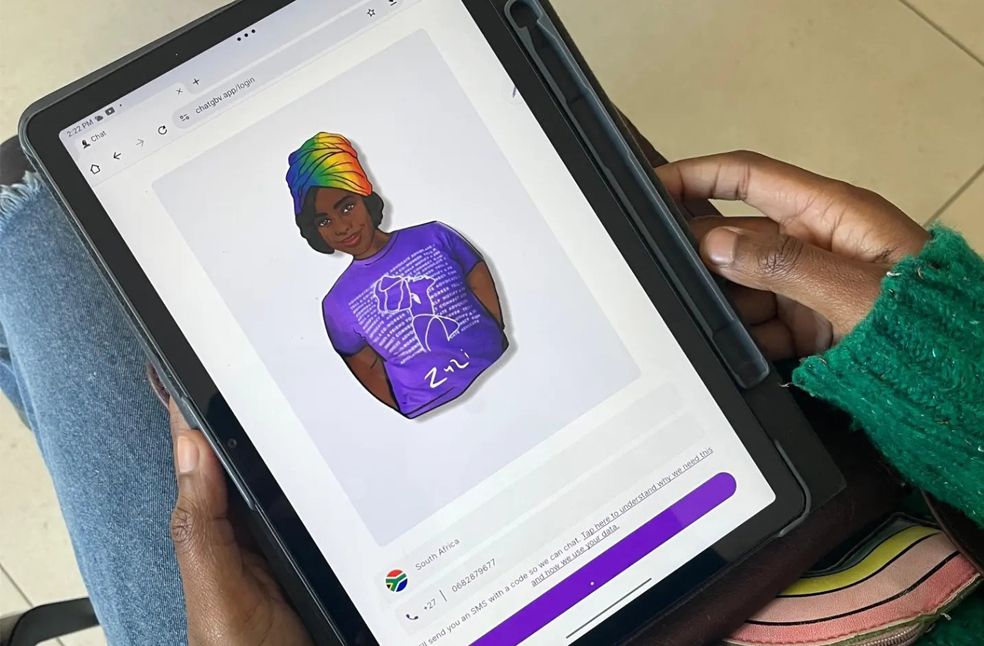
Grit operates through three core features:
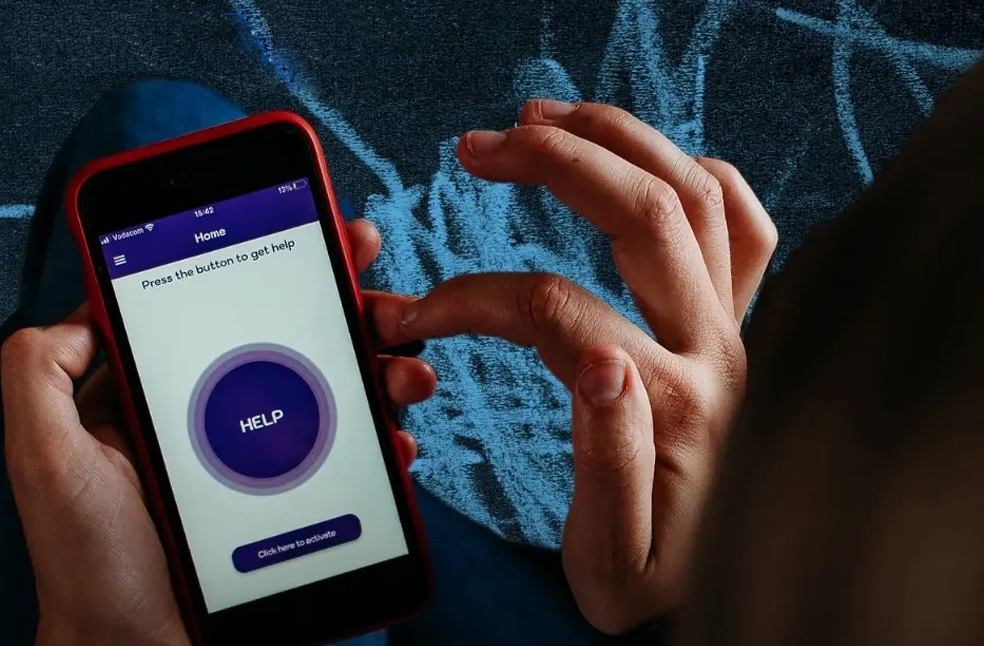
- Emergency Help Button: A prominent circular button on the home screen automatically records 20 seconds of audio when pressed, capturing the user’s surroundings. It simultaneously alerts a private rapid-response call centre, where trained professionals assess the situation and dispatch help either directly or through local organisations.
- The Vault: A secure, encrypted digital storage feature where users can save photos, voice notes, and screenshots documenting abuse. These files are date-stamped and protected, ensuring critical evidence cannot be deleted or tampered with, especially if an abuser confiscates or destroys a phone.
- Zuzi – The Chatbot: Launching this month, Zuzi is an AI-powered virtual assistant designed to listen empathetically, guide users through available resources, and connect them to community support. During testing, Leonora’s team consulted users to shape Zuzi’s personality, they asked whether it should sound like a lawyer, a journalist, or a social worker. The community agreed they wanted “an aunt figure,” someone kind, trustworthy, and nonjudgmental.
Though primarily designed for women, Zuzi has also been used by men, including perpetrators seeking help to manage anger, and male victims wanting a safe space to talk. “People like talking to AI because it doesn’t judge them, It’s not a human,” Leonora highlighted.
South Africa’s GBV epidemic underscores the urgency of Grit’s mission. UN Women reports that the country’s femicide rate is five times the global average, with an estimated seven women killed daily between 2015 and 2020. Experts such as Lisa Vetten, a South African GBV specialist, recognize the potential of technology in prevention and intervention but warn that AI systems must be used carefully.
“I prefer calling them Large Language Models, not artificial intelligence. They predict language, nothing more. While they can offer useful guidance, I’ve seen chatbots give dangerously incorrect advice. They cannot replace the empathy and complexity of human counseling,” Vetten said.
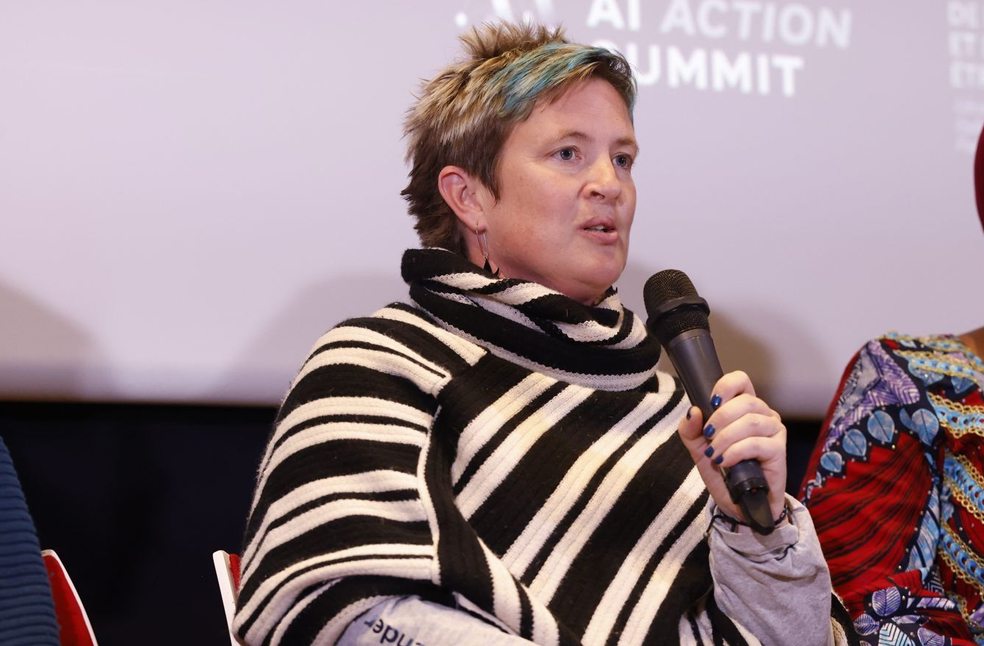
Despite these challenges, Grit’s model has gained international recognition. In October 2025, Leonora and her team presented the app at the Feminist Foreign Policy Conference in Paris, hosted by the French government, where 31 countries pledged to make combating gender-based violence a global policy priority.
Lyric Thompson, founder of the Feminist Foreign Policy Collaborative, noted that while discussions on AI and policy are intensifying, issues of gender bias often get sidelined. “The moment you mention sexism or racial bias in AI, the conversation shifts, usually to a space without women in it,” Thompson remarked.
Heather Hurlburt, an associate fellow at Chatham House, added that AI has “enormous potential either to identify and address gender discrimination or to entrench misogyny and inequality, which direction we go depends entirely on us.”
For Leonora, the path forward lies in who gets to design technology. She highlights that a 2018 World Economic Forum report found only 22 percent of AI professionals worldwide are women.
Ultimately, Leonora believes that Grit is not just an app, but a movement toward representation, trust, and empowerment. “Only when technology includes everyone’s voices can it begin to protect and uplift those who need it most.”
ALSO READ | Historic Moment: Grand Egyptian Museum opens in Giza
