


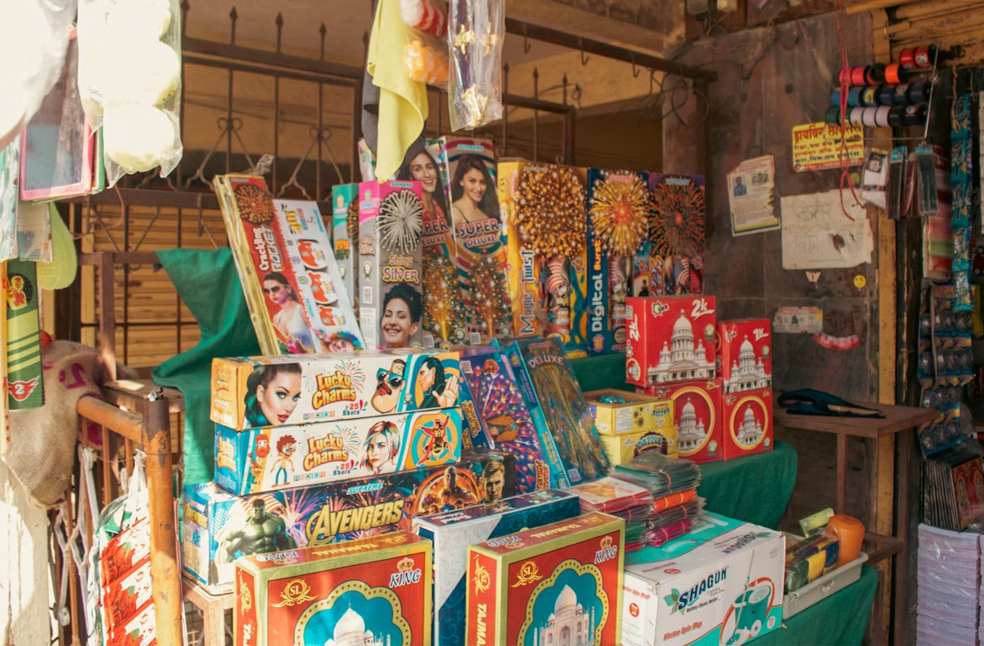
New Delhi: India’s Supreme Court has permitted the sale and use of so-called ‘green firecrackers’ during the upcoming Diwali festival, even as air quality in the capital city, Delhi, continues to plunge to ‘very poor’ and ‘severe’ levels.
The top court’s ruling, issued on October 15, allows the sale and bursting of firecrackers that are said to emit 20–30 percent less pollution than conventional ones and produce minimal ash. Manufacturers claim these ‘eco-friendly’ crackers are a cleaner alternative; however, critics argue that even green firecrackers still release harmful substances that worsen air quality and pose serious health risks.
Delhi has maintained a ban on traditional firecrackers since 2020 due to their significant contribution to the city’s chronic air pollution problem, which intensifies each winter. The capital’s air quality deteriorates annually because of low wind speeds, vehicle emissions, and large-scale stubble burning in neighbouring states.
The widespread bursting of firecrackers during Diwali adds to Delhi’s air pollution, often leaving residents struggling to breathe the morning after the festival. Delhi’s air quality was recorded at 25 to 30 times worse than the safe limits recommended by the World Health Organization (WHO).
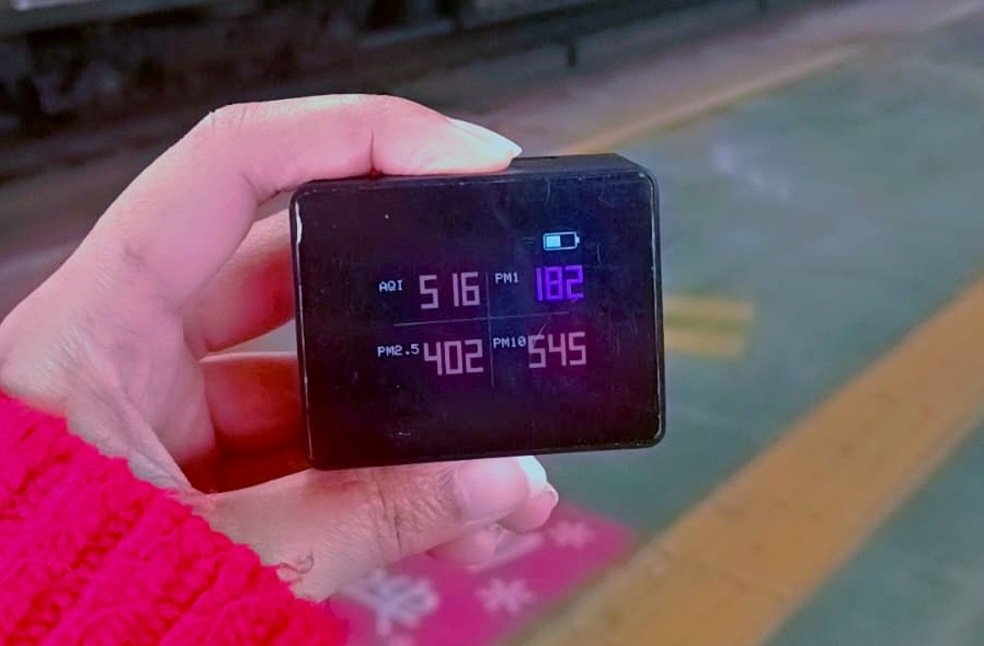
According to data from the Central Pollution Control Board (CPCB), PM2.5 levels across many parts of the city ranged between 300 and 400, with some areas crossing the 400 mark.
These fine particulate pollutants can penetrate deep into the lungs, leading to respiratory illnesses, especially among vulnerable groups such as children, the elderly, and those with pre-existing health conditions.
The government’s air quality index warns that readings above 300 are likely to cause respiratory problems in prolonged exposure, while levels above 400 can even impact healthy individuals.
In its order, the Supreme Court laid out specific guidelines governing the sale and use of the approved green firecrackers. Sales will be permitted only between October 21 and 22 through authorised vendors, and crackers may only be set off in designated areas.
The court also imposed a three-hour time restriction, one hour in the morning and two hours in the evening, to minimise pollution levels.
The verdict has triggered mixed reactions online. Many have welcomed the decision, viewing it as a balance between preserving festive traditions and promoting environmental responsibility. Others, however, fear that weak enforcement of green firecrackers could lead to further deterioration of Delhi’s already hazardous air quality.
In response to the growing pollution crisis, the Delhi government has activated the Graded Response Action Plan (GRAP) from October 14. The plan bans all commercial activities involving the use of coal and firewood and restricts the operation of diesel generators except for emergency services.
Experts caution that even with these measures, air pollution levels are expected to worsen around Diwali, especially now that firecracker usage has been partially permitted.
MOST READ | Torrential rains in Mexico kill 64; Leave 65 missing
