


Giza: The long-awaited Grand Egyptian Museum (GEM) has opened its doors in Giza, with world leaders, monarchs, and dignitaries attending the grand inauguration of what is now the world’s largest museum dedicated to an ancient civilization.
The monumental $1 billion project, spanning 500,000 square meters, showcases over 50,000 artifacts that bring ancient Egypt’s rich history to life through cutting-edge exhibitions, immersive technology, and virtual-reality experiences.
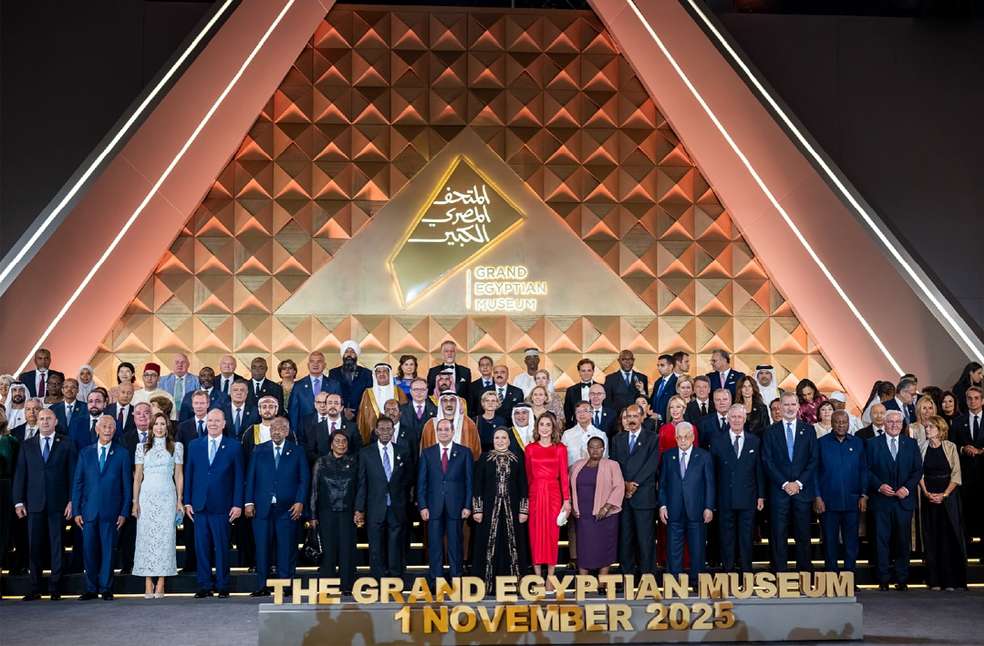
In his address, President al Sisi described the museum as a “platform for dialogue, a destination for knowledge, and a beacon for humanity,” underlining its role in promoting cultural understanding and unity. His office hailed the opening as “an exceptional event in the history of human culture and civilization.”
Tutankhamun treasures
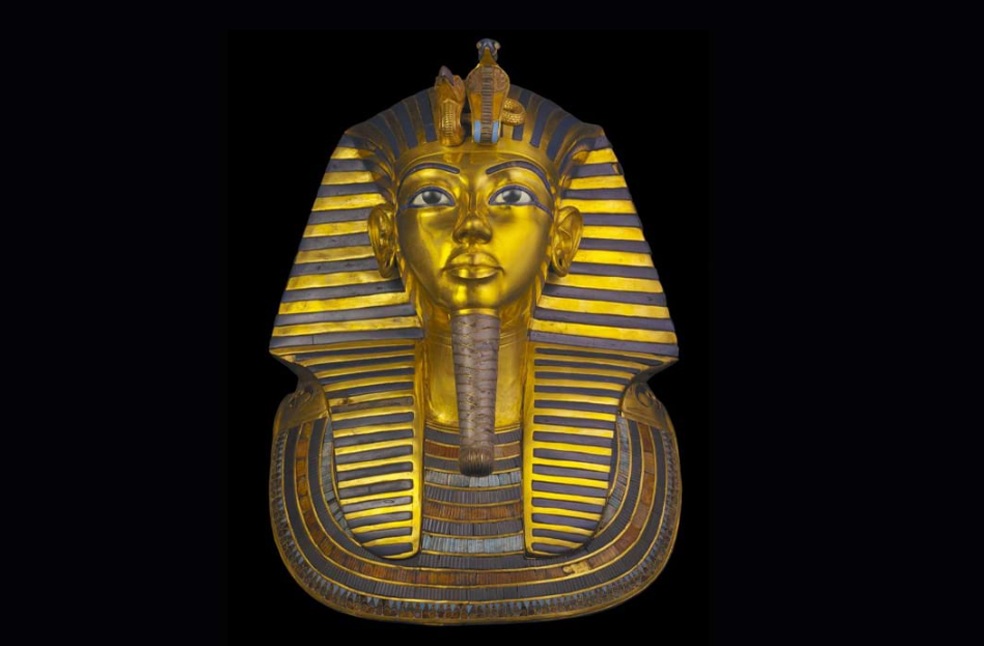
Located near the Giza Pyramids and the Sphinx, GEM’s galleries feature the complete collection of King Tutankhamun’s treasures, displayed in full for the first time since their discovery by British archaeologist Howard Carter in 1922 in Luxor. Visitors will see the boy pharaoh’s gold-covered sarcophagus, three funeral beds, six chariots, a golden throne, and the iconic gold-and-lapis lazuli burial mask.
Construction on GEM began in 2005 under then-president Hosni Mubarak, aiming to replace Cairo’s overburdened Egyptian Museum. However, progress was interrupted by the 2011 Arab Spring, financial constraints, and regional instability. A grand opening initially planned for summer 2024 was postponed following the 12-day Israel-Iran war in June.
Despite the setbacks, the museum’s completion represents one of President al Sisi’s most significant national megaprojects, reflecting his administration’s efforts to boost Egypt’s tourism sector and revive an economy strained by years of stagnation and unrest.
The GEM includes 12 main galleries, opened last year, displaying artifacts from prehistoric Egypt through the Roman era, organized both chronologically and thematically. Visitors can experience interactive exhibits, VR reconstructions, and digital storytelling that modernize Egypt’s presentation of its ancient legacy.
Two newly inaugurated halls are devoted entirely to Tutankhamun’s 5,000-piece collection, which had previously been divided among institutions worldwide due to space limitations in the old museum.
The museum is expected to welcome five million visitors annually, placing it among the world’s top cultural destinations, alongside the Louvre in Paris (8.7 million visitors in 2024), the British Museum (6.5 million), and New York’s Metropolitan Museum of Art (5.7 million).
The Grand Egyptian Museum officially opens its doors to the public on November 4, promising to be both a symbol of Egypt’s cultural renaissance and a cornerstone for global heritage tourism.
MOST READ | Airlines warn of more delays as US shutdown continues
