


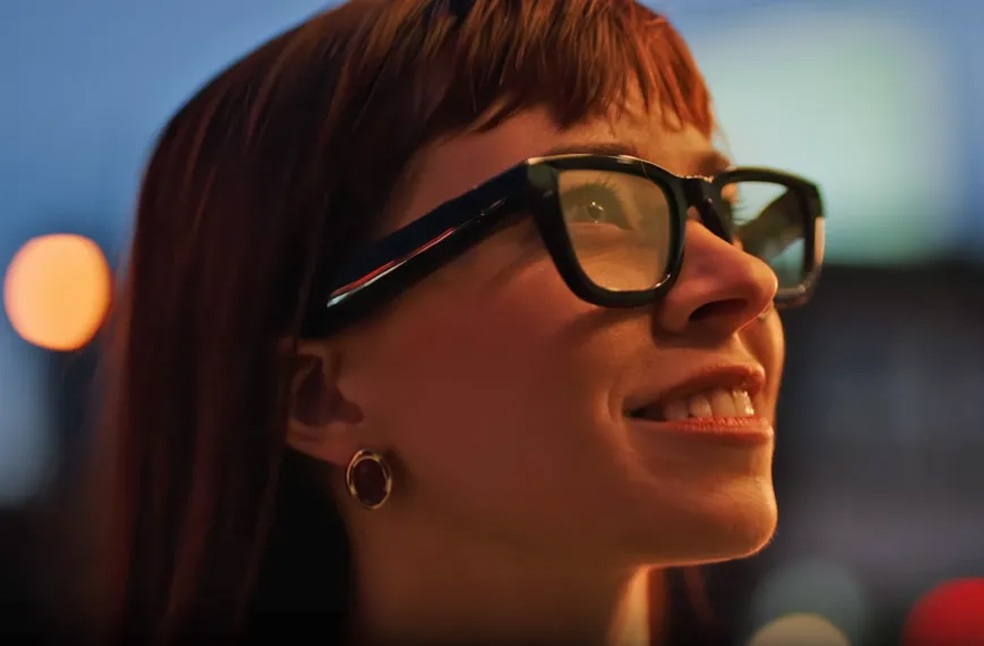
Mountain View: A promotional close-up image shows a smiling woman with long red hair wearing Google’s latest black, thick-rimmed glasses with slightly translucent lenses, signalling the tech giant’s renewed push into wearable technology.
Google has confirmed that it is preparing to launch new AI-powered smart glasses in 2026, marking its return to a market it once entered with enormous ambition but ultimately exited in disappointment.
Google previously unveiled Google Glass in 2013, presenting it as a groundbreaking leap in personal technology, despite its unusual design with a bulky mini-screen perched above the right eye.
While excitement was high, the product faced immediate questions over style, practicality, and privacy, particularly due to its built-in camera and the concerns it raised about recording people without consent. Less than seven months after the device launched in the UK, Google discontinued it in 2015.
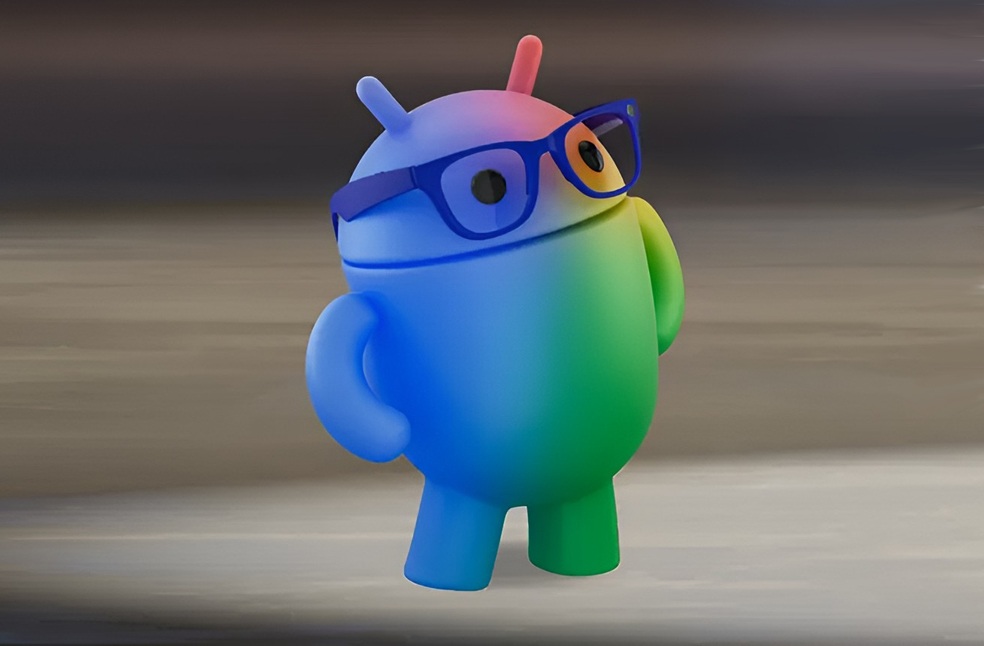
The company is now developing two new models: one pair intended to offer AI assistance without a screen, and another featuring an integrated display. These glasses will allow users to interact seamlessly with Google’s AI products, especially its Gemini chatbot.
Although Google has confirmed that the first version of the glasses will debut in 2026, it has not disclosed additional details about their form or capabilities.
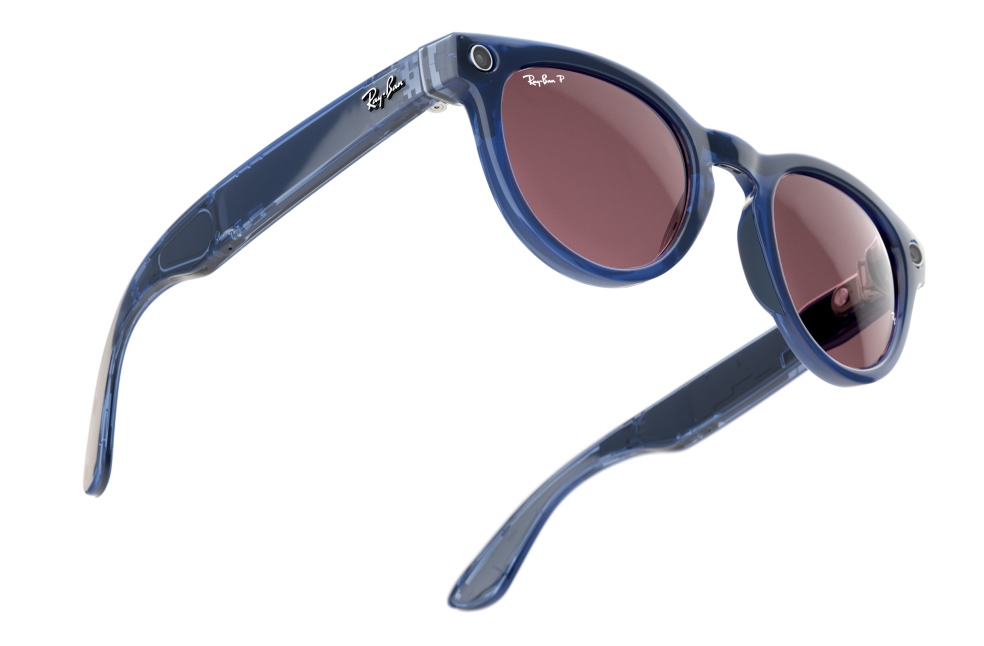
However, Google’s comeback will not be easy. Meta has already gained a strong presence in the market through its AI-enabled eyewear collaborations with Ray-Ban and Oakley. Meta’s smart glasses have sold more than two million units as of February.
According to Counterpoint Research, the AI glasses market surged in the first half of 2025, largely driven by Meta’s popularity and new offerings from smaller brands, resulting in over 250 percent year-on-year growth.
Technology analyst Paolo Pescatore said that Google must ‘avoid the pitfalls’ that doomed its earlier attempt, describing the original Google Glass as ‘ahead of its time’ but poorly executed. He believes the current moment is more favourable thanks to the rising success of products like Gemini.
Historical images, such as one showing Google co-founder Sergey Brin demonstrating Google Glass on stage in 2012, wearing the original wireframe model with a chunky right arm, camera housing, and small digital display, highlight the early excitement that later faded.
After privacy fears, style criticism, and doubts about its usefulness intensified, Google scrapped the consumer version in 2015. A business-focused successor, Google Glass Enterprise, arrived in 2017 but was also discontinued in 2023.
Today, tech companies aim to overcome these hurdles by offering sleeker frames and partnering with established eyewear designers. Yet, despite advances in AI and hardware miniaturisation, concerns remain over how such devices protect privacy and how practical they will be in everyday life, challenges Google must confront as it prepares for its 2026 smart glasses relaunch.
ALSO READ | GBR launches striking Union flag design for UK Rail
