


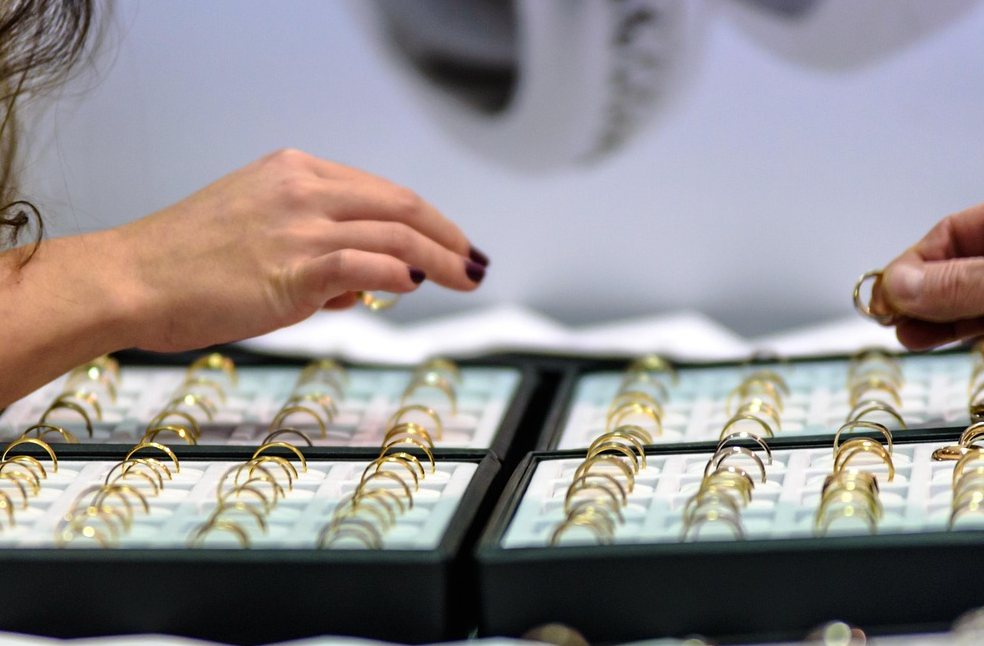
Washington: Gold has reached a historic milestone after the price climbed above $5,000 (£3,659) an ounce for the first time, reinforcing its status as a leading safe-haven asset during periods of uncertainty.
The surge has added to a rally that has already seen gold gain more than 60 percent during 2025, reflecting heightened investor concern about geopolitical risks, trade tensions and economic stability.
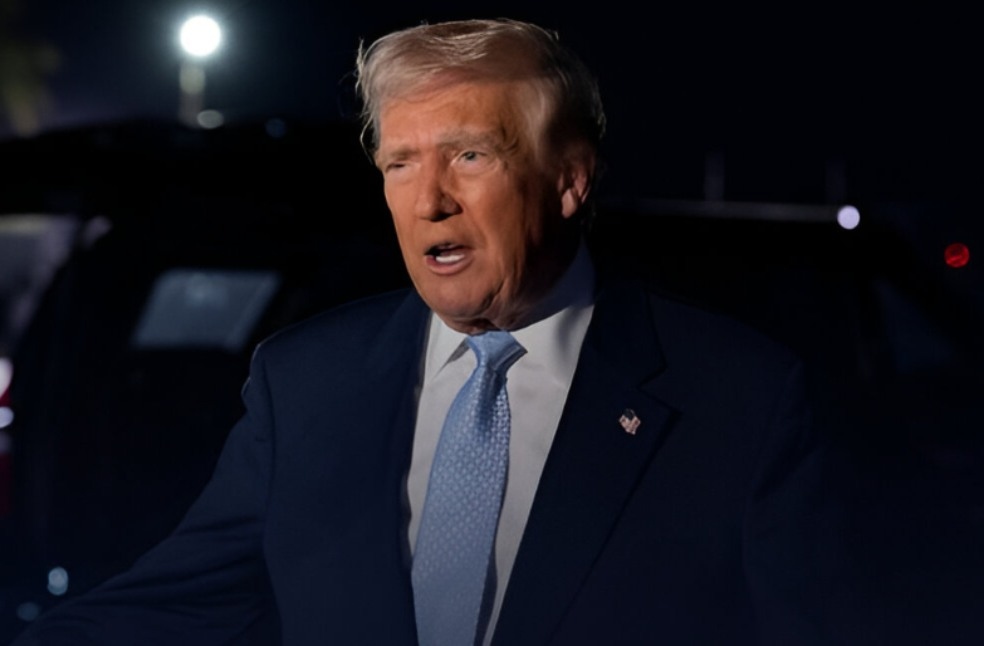
The latest rise has coincided with renewed friction between the United States and NATO allies over Greenland, which has added to wider worries about global security and diplomacy. Market sentiment has also been unsettled by US President Donald Trump’s trade policies, including a threat to impose a 100 percent tariff on Canada should it proceed with a trade agreement with China.
Gold and other precious metals have long been viewed as protective investments during times of uncertainty. Silver has followed a similar path, crossing $100 an ounce for the first time after building on its nearly 150 percent rise last year. The growing appeal of precious metals has been underpinned by expectations that the US Federal Reserve will reduce interest rates later this year, making non-yielding assets like gold more attractive compared to bonds.
Additional drivers behind the gold rally have included elevated inflation, a weaker US dollar and increased purchases by central banks. Central banks around the world have added hundreds of tonnes of gold to their reserves in recent years, signalling a gradual shift away from reliance on the dollar.
Gold’s scarcity has also strengthened its appeal. According to the World Gold Council, around 216,265 tonnes of gold have ever been mined, an amount that would fill only three to four Olympic-sized swimming pools. Much of this production has occurred since 1950, following advances in mining technology and the discovery of new deposits. The US Geological Survey estimates that approximately 64,000 tonnes of gold remain underground, although output is expected to plateau in the coming years.
Market analysts have noted that gold differs from other investments because it is not linked to corporate earnings or government debt. This independence has made gold a powerful diversification tool in volatile times. When bond yields fall due to interest rate cuts, the opportunity cost of holding gold decreases, making it more attractive to investors.
Beyond financial markets, gold continues to hold deep cultural significance. In countries such as India, gold is traditionally bought during festivals like Diwali and given as gifts at weddings to symbolise prosperity and good fortune. Morgan Stanley has estimated that Indian households hold about $3.8 trillion (£2.78 trillion) worth of gold, representing nearly 89 percent of the country’s GDP.
China remains the world’s largest consumer market for gold, with demand often rising during periods such as the Chinese New Year. Analysts have observed seasonal increases in buying ahead of major celebrations, further strengthening global demand.
While gold has continued its upward trajectory, some analysts have cautioned that prices remain sensitive to geopolitical developments and policy shifts. Positive international developments could ease market anxiety and reduce the appeal of safe-haven assets. Even so, gold’s performance has highlighted its enduring role as a hedge against instability in an increasingly unpredictable global environment.
ALSO READ | Starmer faces pressure over Burnham’s return to parliament
