


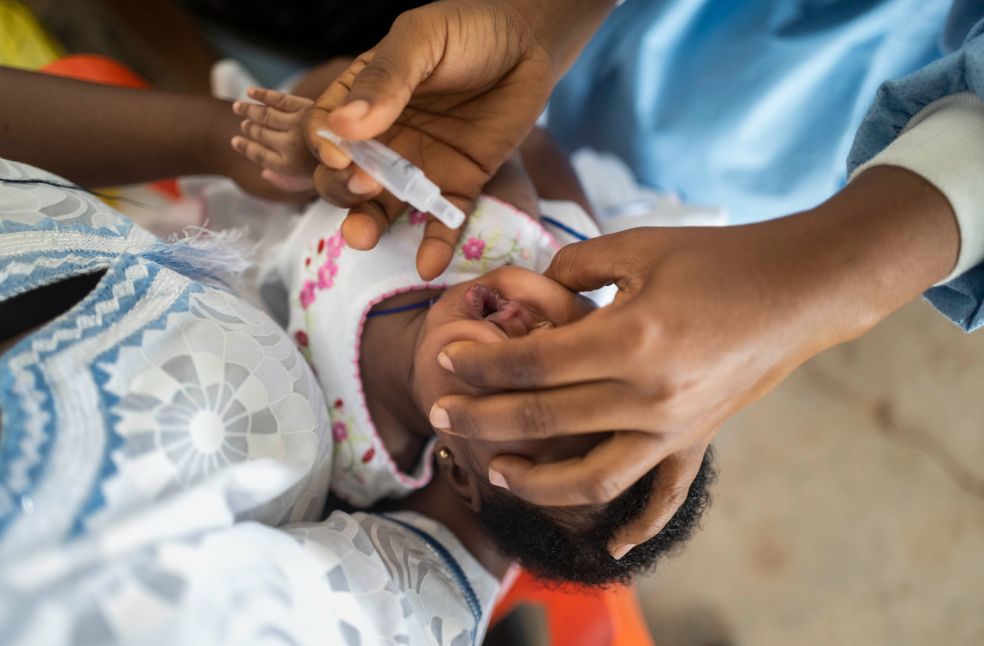
Geneva: Global childhood vaccination rates have shown modest progress in 2024, with around 1 million more children completing the essential three-dose immunisation against diseases such as diphtheria, tetanus, and whooping cough compared to the previous year, according to new World Health Organization data.
About 115 million infants worldwide have received at least one dose of the DTP vaccine under global childhood vaccination programs, while nearly 109 million have completed the full course, protecting them from dangerous infections.
However, despite this progress, nearly 20 million infants have still missed at least one dose of a DTP-containing vaccine, including 14.3 million zero-dose children who have never received any vaccine.
Over 14 million children have never received a single vaccine, despite steady global childhood immunization levels.
Latest data by @WHO and UNICEF:https://t.co/fHX6WWhTnL pic.twitter.com/SclI6dCj3e
— UNICEF (@UNICEF) July 15, 2025
This figure remains 4 million above the annual target needed to meet the Immunisation Agenda 2030 goals, which aim to cut the number of zero-dose children by half and reach at least 90 percent global coverage.
Kate O’Brien, director of WHO’s Department of Immunisation, Vaccines and Biologicals, stated that, “We’ve hit this very stubborn glass ceiling, and breaking through that glass to protect more children against vaccine-preventable diseases is becoming more difficult.”
A quarter of the world’s infants live in only 26 countries experiencing conflict or humanitarian crises, yet they account for half of all unvaccinated children under global childhood vaccination efforts. In many of these countries, the number of children missing vaccinations has jumped sharply, rising from 3.6 million in 2019 to 5.4 million in 2024.
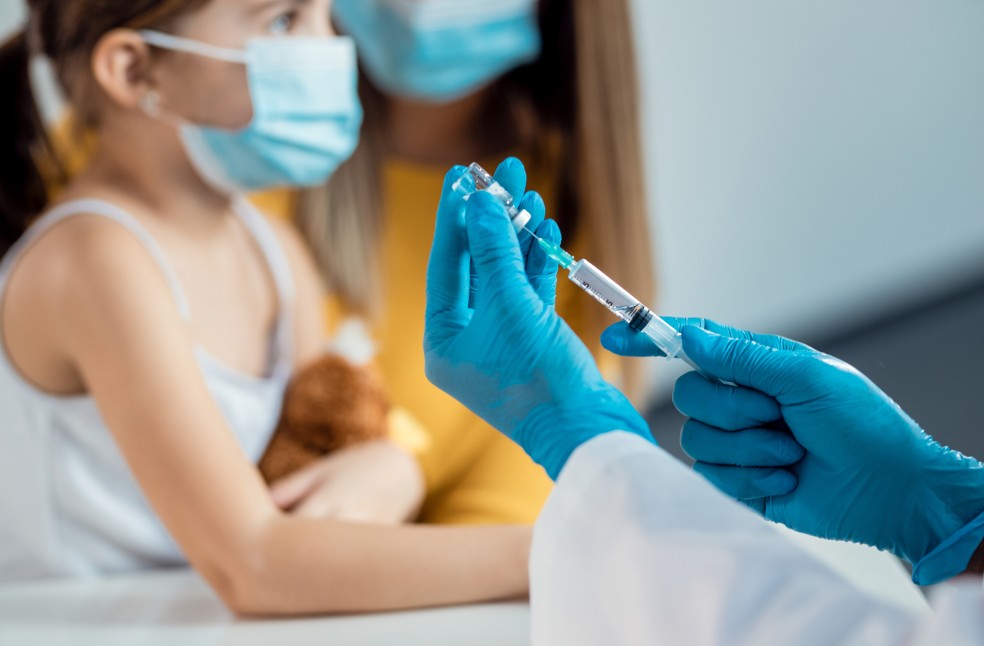
Despite these setbacks, countries have scaled up vaccinations for other diseases including HPV, meningitis, pneumococcal disease, polio, and rotavirus. In 2024, about 31 percent of eligible adolescent girls have received at least one HPV vaccine dose, an increase from 17 percent in 2019 but still far from the 90 percent goal set for 2030. Global measles coverage has also improved, but it remains well below the 95 percent level needed to prevent outbreaks.
UNICEF Executive Director, Catherine Russell noted that, “The good news is that we have managed to reach more children with life-saving vaccines. But millions of children remain without protection against preventable diseases, and that should worry us all.”
Sustained action is needed to tackle vaccine gaps, strengthen health systems, and address misinformation to keep global childhood vaccination efforts on track.
MOST READ | New Report Warns: Extreme weather is UK’s new normal
