


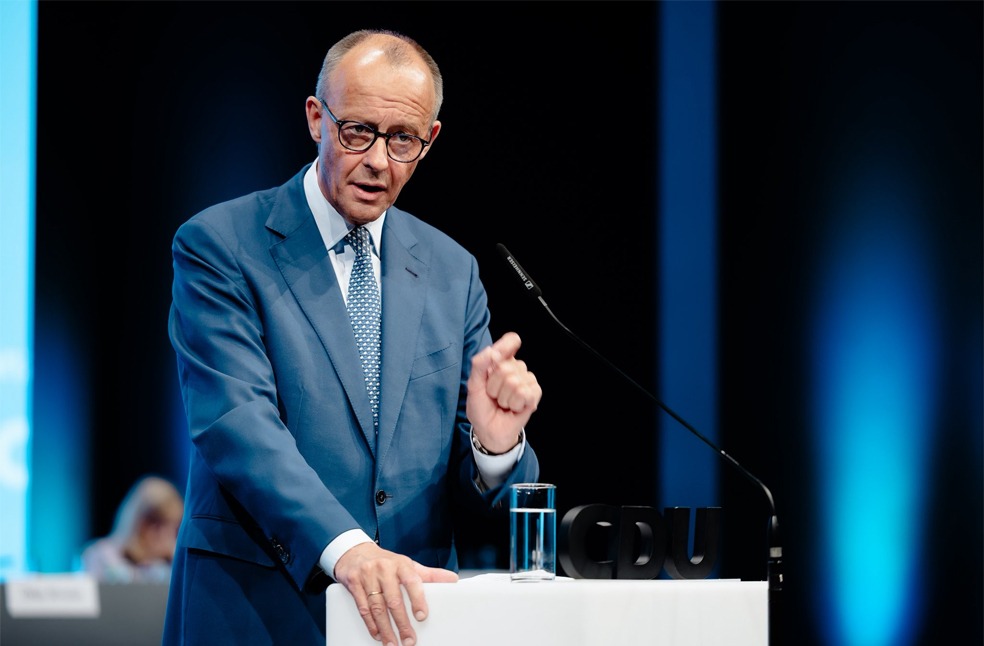
Berlin, Germany: Germany’s parliament has rescinded the fast-track citizenship programme, reflecting rapidly changing attitudes toward migration in Europe’s labor-hungry economic powerhouse.
The fast-track system had allowed individuals deemed ‘exceptionally well integrated’ to obtain German citizenship in three years instead of five.
Chancellor Friedrich Merz’s conservative government, which pledged during this year’s election campaign to repeal the legislation, emphasized that a German passport should recognize successful integration rather than act as an incentive for illegal immigration, Interior Minister Alexander Dobrindt told parliament.
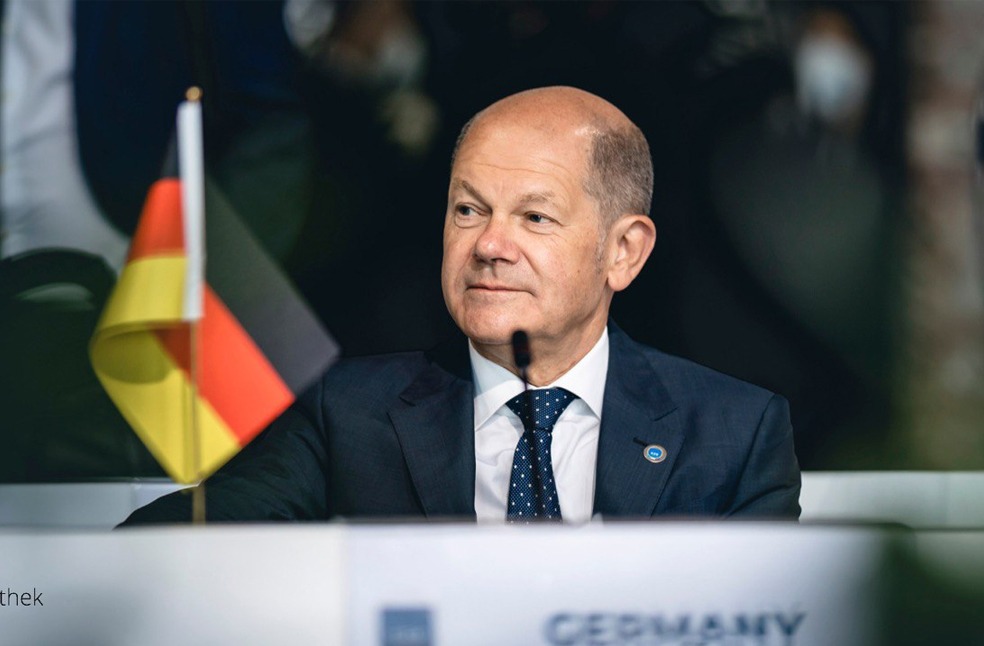
Despite the repeal, the rest of the new citizenship law, a key achievement of former Chancellor Olaf Scholz’s Social Democrat-liberal-Green coalition, will remain in effect. This includes innovations such as dual citizenship and the reduction of the standard waiting period from eight years to five, which were initially targeted by conservative pledges.
The SPD, now junior partners in Merz’s coalition, defended their support for the repeal, noting that the fast-track programme was rarely used, while the core liberalization measures remain intact. Of a record 300,000 naturalisations in 2024, only a few hundred were granted through the fast-track scheme.
The fast-track programme had been designed as an incentive for highly skilled professionals and mobile talent to settle in Germany, which suffers from acute labour shortages. Candidates were required to demonstrate achievements such as very good German language skills, voluntary service, or professional or scholarly success.
Greens lawmaker Filiz Polat highlighted that Germany competes globally for the best talent and stressed the importance of doing everything possible to retain highly skilled individuals who choose to settle in the country.
Attitudes toward immigration have soured dramatically in Germany, partly due to the strain that high migration levels have placed on local services. This shift in sentiment has helped the far-right Alternative for Germany (AfD) rise to first place in some polls.
The repeal of the fast-track citizenship programme illustrates Germany’s effort to balance labour market needs, integration goals, and public concerns over immigration, while continuing to uphold the essence of its broader citizenship reforms.
MOST READ | US flight delays worsen as shutdown hits air traffic control
