


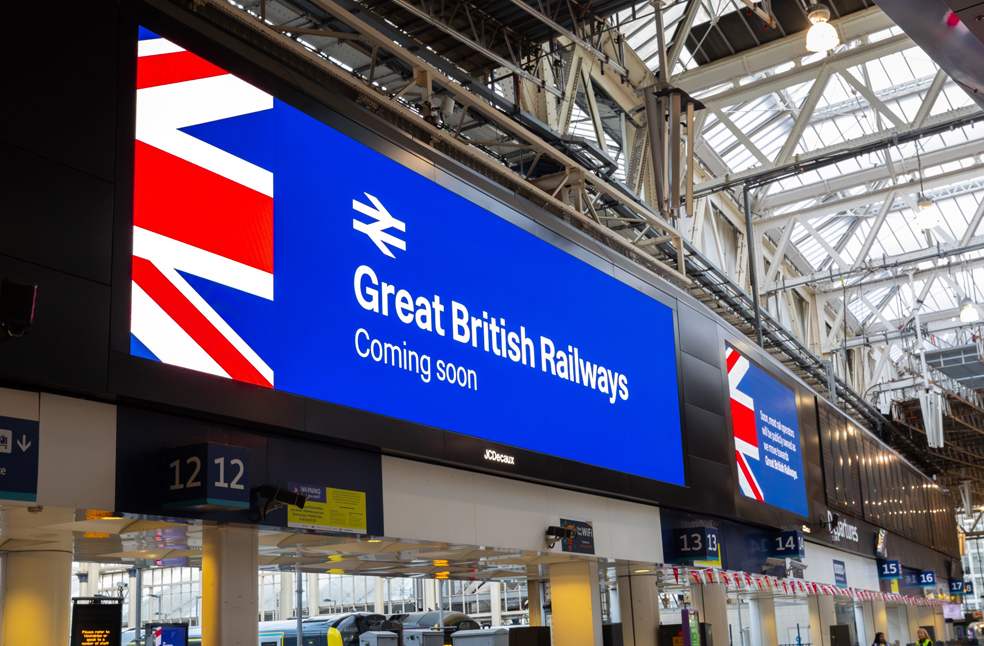
Manchester: The UK has revealed what Transport Secretary Heidi Alexander describes as a ‘striking’ new train design under the Great British Railways (GBR) brand, though many passengers may find the look familiar.
From this spring, rail services already in public ownership will begin adopting a Union flag-inspired livery as part of the government’s nationwide move to bring most passenger rail services under the GBR identity.
The GBR logo draws heavily from British Rail’s iconic 1965 double-arrow symbol. A Department for Transport (DfT) spokesperson said that the emblem was deliberately incorporated to honour Britain’s proud railway heritage.
View this post on Instagram
Alexander stressed that the rebrand ‘isn’t just a paint job,’ describing it as the beginning of “a new railway focused entirely on delivering a proper public service for passengers,” aimed at eliminating long-standing frustrations.
To showcase the revamp, a special one-day public exhibition is taking place at London Bridge station, where visitors can view a GBR-branded Hornby model train. The government has also collaborated with a gaming company to create digital simulations of the new livery, which will be displayed through the Train Sim World 6 platform.
Over the coming days, the new visuals will also appear on digital boards at major stations, including Manchester Piccadilly, Birmingham New Street, Glasgow Central, and Leeds.
Railways Bill
The announcement comes as MPs prepare to debate the Railways Bill in the House of Commons. The government has already assumed control of seven major rail operators and has committed to bringing all passenger services under public ownership as current contracts lapse or operators fail to meet performance standards.
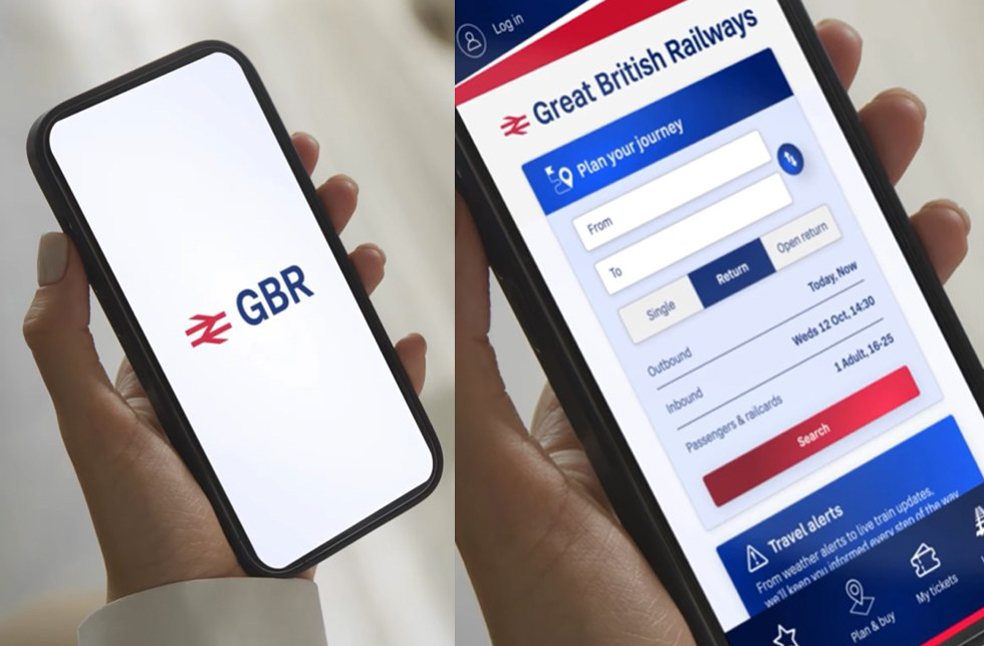
The Railways Bill proposes merging 17 different rail-related entities into a streamlined structure, promising more accountability, improved services, and simplified ticketing.
A new GBR mobile app will serve as a ‘one-stop shop,’ enabling passengers to purchase tickets without fees, check schedules, and request assistance for disabled travellers. The bill also outlines a stronger Passenger Watchdog and positions GBR to manage both rail services and infrastructure.
Ministers have highlighted early gains from existing nationalised services, such as South Western Railway’s nearly 10 percent capacity increase through the expanded use of Arterio trains.
Additionally, a new East Coast Main Line timetable launching this month will introduce around 10,000 more annual LNER services, roughly 60,000 extra seats each week.
MOST READ | UN flags serious risks to Māori rights in New Zealand
