


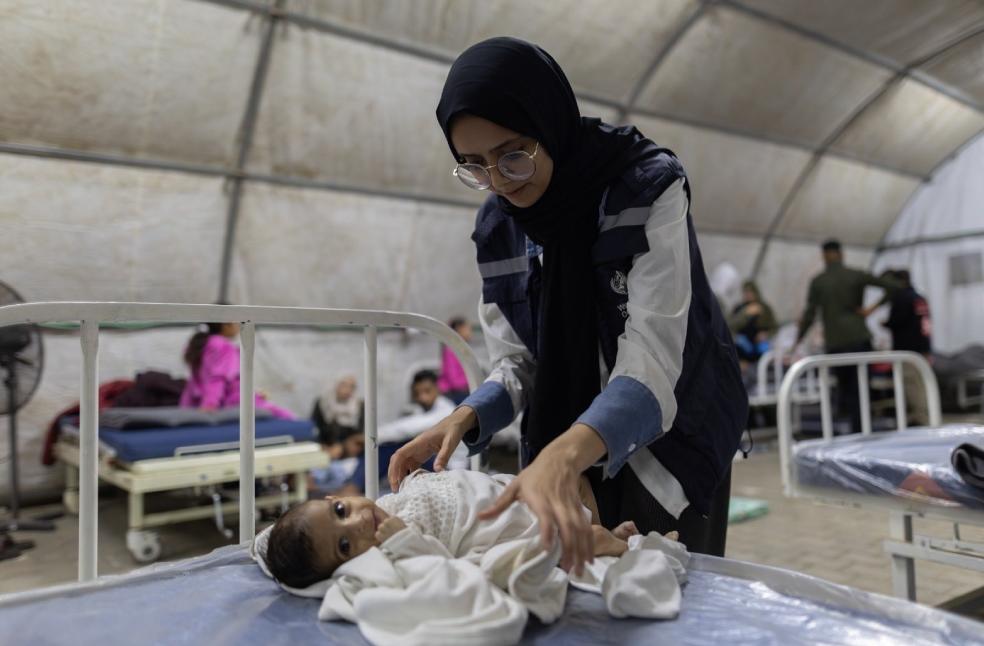
Gaza City: Hospitals in Gaza have been struggling to provide essential care after two years of conflict, with many patients urgently needing treatment abroad. Gaza medical evacuations have become critical for children and adults whose conditions cannot be treated locally.
Among those waiting are two 10-year-old boys at Nasser Hospital, one paralysed from a stray Israeli bullet and another diagnosed with a brain tumour. Families have expressed fear for the children’s lives, highlighting the limitations of local medical facilities.
The World Health Organization (WHO) has coordinated the first medical convoy since the fragile ceasefire on 10 October, transporting 41 patients and 145 carers via Israel’s Kerem Shalom crossing to hospitals in Jordan.
The UN agency has called for significantly more Gaza medical evacuations to manage thousands of urgent cases. Requests have been made to reopen the Rafah border crossing with Egypt and allow transfers to the occupied West Bank, including East Jerusalem hospitals. Dr Fadi Atrash, CEO of Augusta Victoria Hospital, said that hundreds of patients could receive care daily if these routes were reopened.
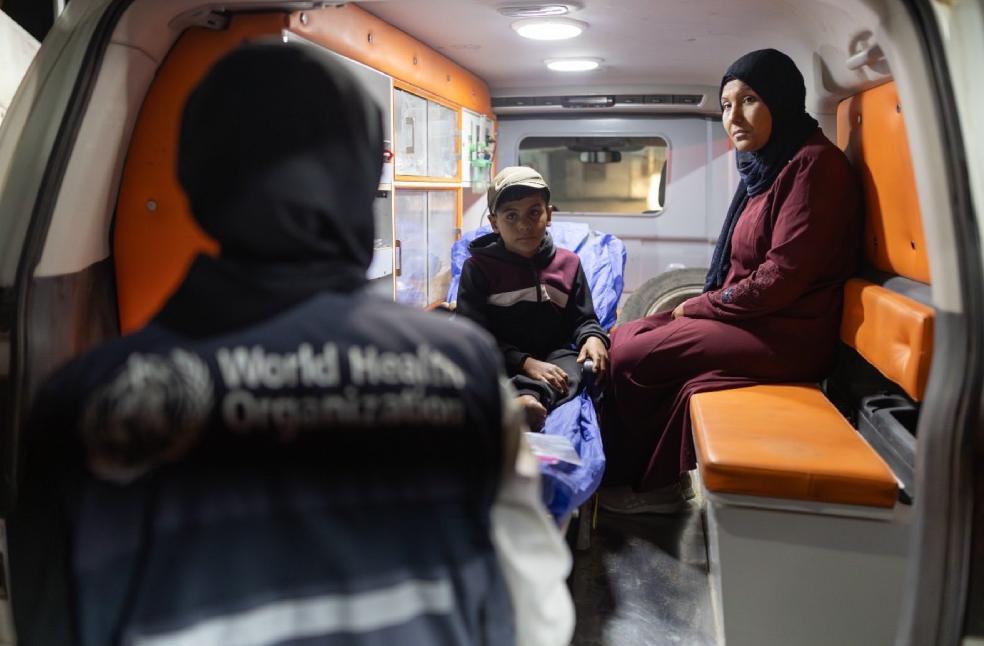
Israel has maintained restrictions on crossings until Hamas meets commitments under the ceasefire, including returning the bodies of hostages. Security concerns after Hamas attacks in October 2023 have also limited patient transfers. The Gaza health ministry reported that at least 740 people, including 140 children, have died while on waiting lists during the year ending August 2025.
Dr Tedros Adhanom Ghebreyesus, the head of the WHO, stated that the most impactful measure would be if Israel could allow Gazan patients to be treated in the occupied West Bank, including East Jerusalem, as happened before the war.
Medical staff, including Dr Ahmed al-Farra, head of paediatrics at Nasser Hospital, have described the frustration of diagnosing patients without the ability to provide necessary treatments. Since the ceasefire, only a small fraction of patients have received care abroad, leaving many children at risk of death or permanent injury.
The ongoing blockade has prevented the rapid transfer of critical patients, putting immense pressure on hospitals and families. International calls for action, including support from EU officials and the UK, emphasize that Gaza medical evacuations are essential to saving lives.
YOU MAY LIKE | Trump halts trade talks with Canada over controversial advert
