


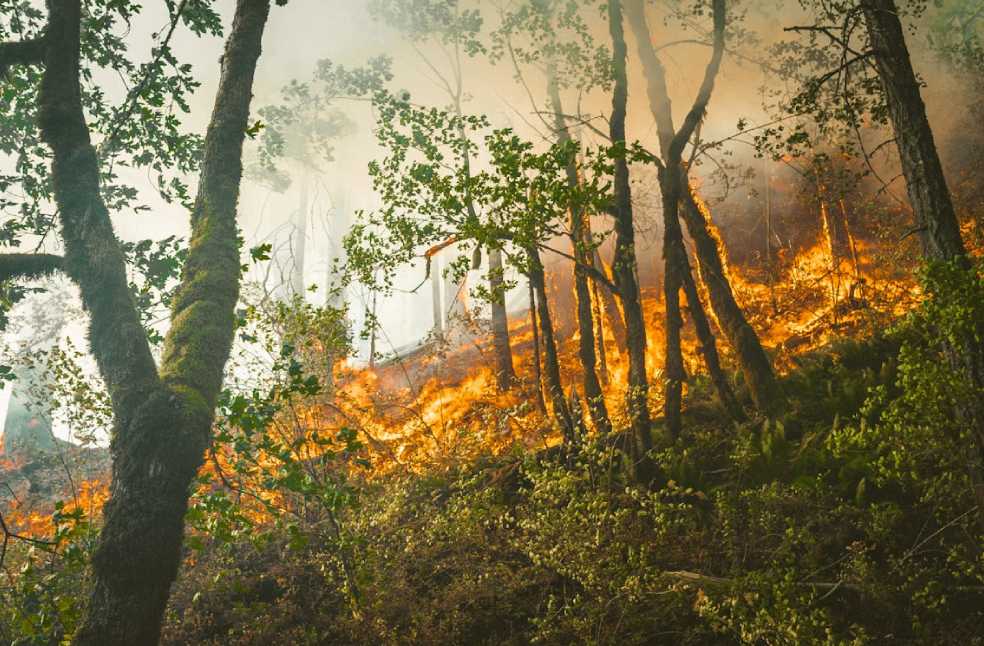
Parafita: Spain has experienced unprecedented wildfires in recent summers, with Galicia emerging as the epicentre of destruction. Hotter, drier conditions have fuelled the spread of blazes, prompting experts and residents to stress the urgent need for improved forest management in Spain.
During the peak of a record heatwave in August, wildfires swept through southern Galicia, killing four people, threatening towns and cities, and burning 330,000 hectares of land ,an area twice the size of London. The devastation has highlighted the vulnerability of Spain’s vast forest cover, which extends across 18.6 million hectares, the third-largest in Europe after Sweden and Finland.
Residents such as Javier Fernandez Perez have recalled older practices of burning undergrowth during winter to create natural fire breaks, measures that helped reduce the severity of summer wildfires. However, with legislation limiting controlled burning and fewer rural populations available to conduct such work, unchecked vegetation has turned into a dangerous fuel source.
Forestry specialists and political leaders have pointed to decades of underinvestment in prevention and inadequate forest management in Spain as the primary reasons for the scale of recent fires. Rural depopulation has further worsened the crisis, leaving local authorities responsible for tasks once carried out by communities.
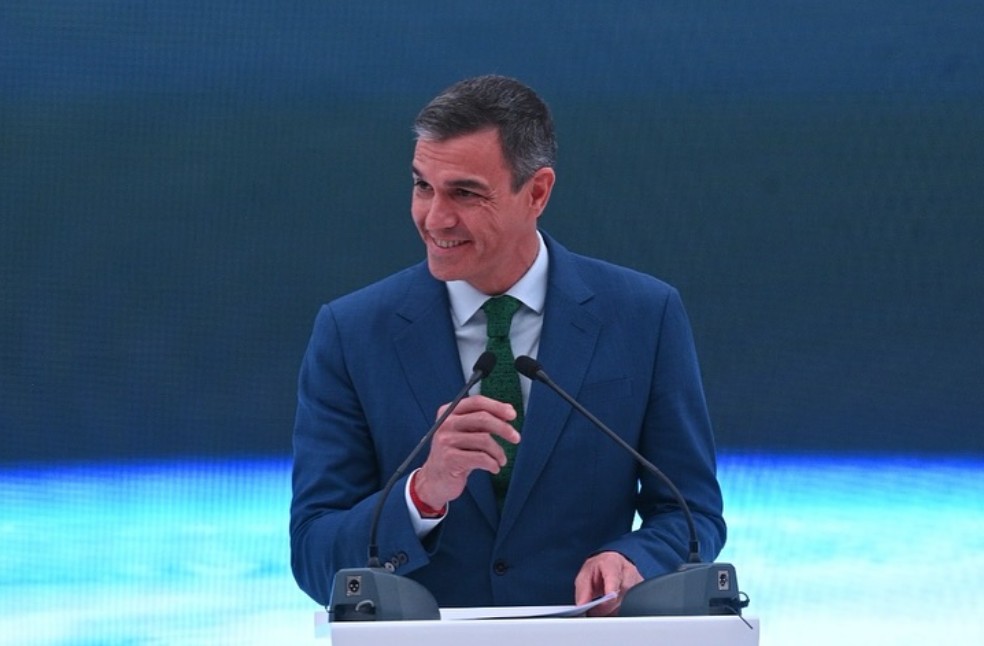
Experts such as forestry engineering professor Victor Resco have cautioned that Spain’s experience is an early warning for the rest of Europe. Prime Minister Pedro Sanchez has acknowledged that wildfire prevention has been insufficient and promised that the government will take necessary measures to avoid a recurrence of such large-scale destruction.
As climate change intensifies heatwaves and rainfall patterns become increasingly erratic, experts have urged authorities to invest in modern forest management systems, incentives for landowners, and sustainable prevention practices that can reduce the risks of catastrophic wildfires.
POPULAR | New Epstein files name Elon Musk and Prince Andrew
