



Los Angeles: Authorities have arrested Jonathan Rinderknecht in Florida in connection with the catastrophic Palisades fire, which scorched over 23,000 acres (9,308 hectares).
The blaze destroyed thousands of structures, including homes of celebrities such as Mel Gibson, Paris Hilton, and Jeff Bridges, and caused approximately $150 billion (£112 billion) in damages.
The fire also devastated parts of Topanga and Malibu and raged uncontrollably for more than three weeks.
Today's arrest resulted from excellent work by @ATFHQ, @LosAngelesATF, and prosecutors in my office, @USAO_LosAngeles. https://t.co/aJuYScjGrd
— Acting U.S. Attorney Bill Essayli (@USAttyEssayli) October 9, 2025
Rinderknecht, who had been living and working in California before relocating to Florida shortly after the fire, was charged with destruction of property by means of fire, according to Acting US Attorney Bill Essayli, who added that further charges, including murder, could follow.
The suspect appeared in court in Florida but did not enter a plea; he is scheduled to return to the US District Court in Orlando for a bond hearing, with his Los Angeles arraignment set in the coming weeks.
Investigators said that the fire, initially named the Lachman fire, was started on New Year’s Day. Though firefighters initially suppressed it, the blaze smoldered underground in dense vegetation before flaring up again during a windstorm.
Rinderknecht, a former Pacific Palisades resident, allegedly started the fire near Skull Rock Trailhead, one block from his previous home, using an open flame after completing a New Year’s Eve Uber ride. Two passengers described him as appearing agitated and angry.
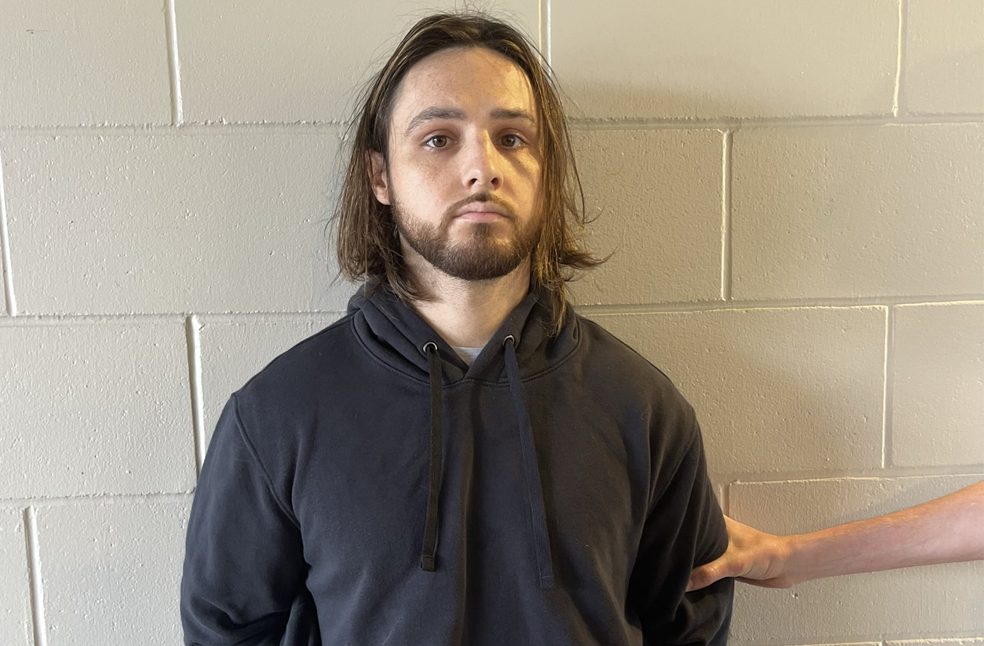
Authorities used his phone data to locate him at the origin of Palisades fire. Rinderknecht allegedly lied to investigators about his whereabouts and had already been removed from the Uber platform once his suspected involvement was discovered. Uber stated that while he had passed background checks in 2023 and annual check-ins, he was not on the platform at the time of the fire.
Investigators also found evidence on his phone showing Rinderknecht filmed firefighters attempting to extinguish the flames, repeatedly tried calling 911, and recorded screen attempts to contact emergency services. The suspect also asked ChatGPT, “Are you at fault if a fire is lift [sic] because of your cigarettes?” Investigators noted he seemed to try to create a narrative portraying himself as assisting with fire suppression.
Rinderknecht’s history with AI raised red flags: in July 2024, five months before the fire, he asked ChatGPT to generate a dystopian image depicting a burning forest and masses of people fleeing, while a wealthy elite watched and celebrated. A month before the fire, he prompted ChatGPT with the statement, “I literally burnt the Bible that I had. It felt amazing. I felt so liberated.”
The Los Angeles City Fire Department (LAFD) released its After-Action Review Report (AARR) on the Palisades Fire, covering the first 36 hours of response. The report identified nearly 100 challenges, including insufficient resources for red-flag weather conditions, hurricane-force winds, and highly combustible vegetation.
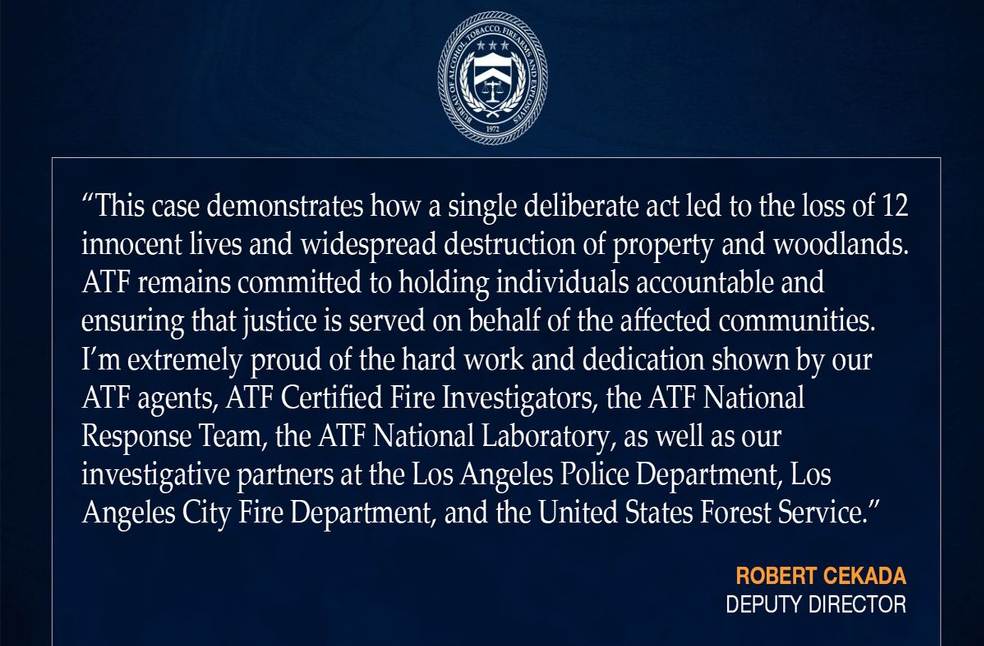
Firefighters working the Palisades Fire often endured 36–48 hours straight, struggled to secure the fire’s origin, and faced difficulties recalling off-duty personnel. Issues with leadership, evacuation coordination, and traffic management were also noted.
The report concluded that responders faced a perfect storm of dry vegetation, unusual wind patterns, ember spread, vulnerable structures, limited water, and loss of aerial suppression support.
Governor Newsom’s office has requested an additional review by the nation’s leading fire safety researchers to improve preparedness and response to such large-scale fires in the future.
This arrest and ongoing investigation shed light on the combined impact of human actions, systemic challenges, and environmental conditions that contributed to one of California’s most destructive wildfires in recent history.
ALSO READ | Chronic Fatigue Syndrome: Scientists develop 96% accurate test
