


London: International flights have been forced to navigate increasingly restricted routes as airspace closures linked to the Iran conflict continue to affect aviation across the Gulf region.
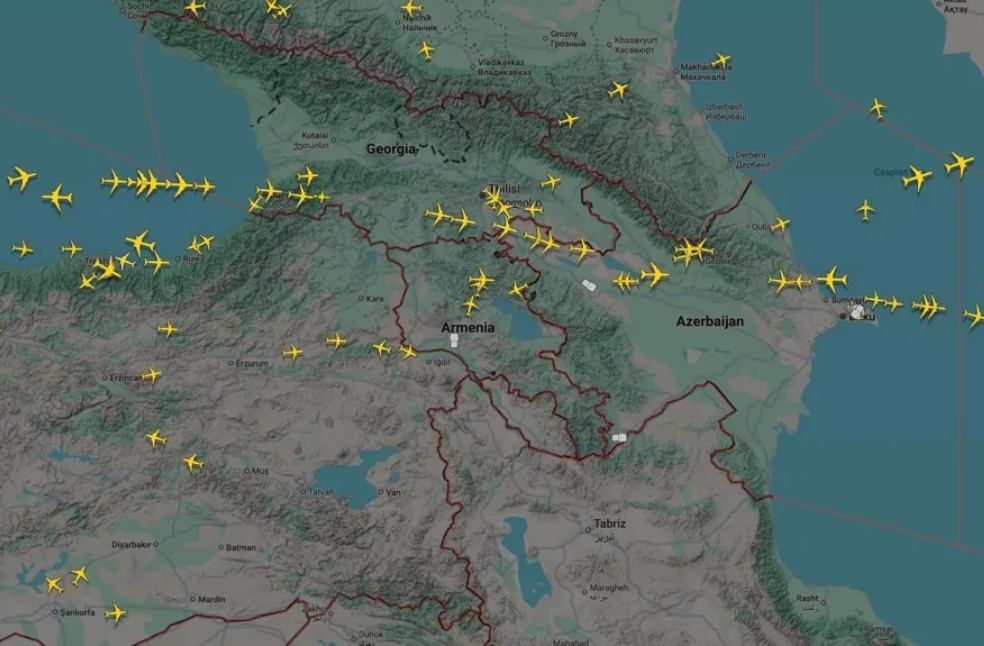
The situation has intensified after the southern half of Azerbaijan’s airspace was closed following a drone attack. This development has pushed many flights into a narrow corridor across the northern part of the country, adding further pressure to already disrupted global flight routes.
Air traffic across the region had already been affected as airlines avoided several areas considered unsafe. Western airlines have stopped using Russian airspace since the Ukraine invasion in 2022, including routes across Siberia. Airlines are now also steering clear of Iran and Iraq, leaving fewer options for international flights connecting Europe and Asia.
Real time aviation tracking data from Flightradar24 has shown congestion building across a corridor approximately 100 kilometres wide in northern Azerbaijan. Aviation specialists have indicated that this narrow passage has become one of the few remaining routes for aircraft crossing the region.
Aviation consultant John Strickland said that, “There is now a very tight range of options for airlines.” Strickland explained that airlines already using indirect routes now have even fewer alternatives to avoid the affected areas.
Airlines have started adjusting routes further south in recent weeks as tensions in the Gulf increased. According to aviation risk analysis firm Opsgroup, the central air corridor through Iran, Iraq and the Gulf has effectively become unusable for commercial flights.
As a result, airlines are now choosing either northern routes through the Caucasus and Afghanistan or southern routes passing through Egypt, Saudi Arabia and Oman. Both alternatives require longer travel distances, leading to increased fuel consumption and extended flight times.
Airlines have also experienced scheduling challenges as congestion builds during peak travel periods. Flights travelling from Europe to Asia typically operate in the afternoon and evening, while return journeys from Asia to Europe usually occur early in the morning.
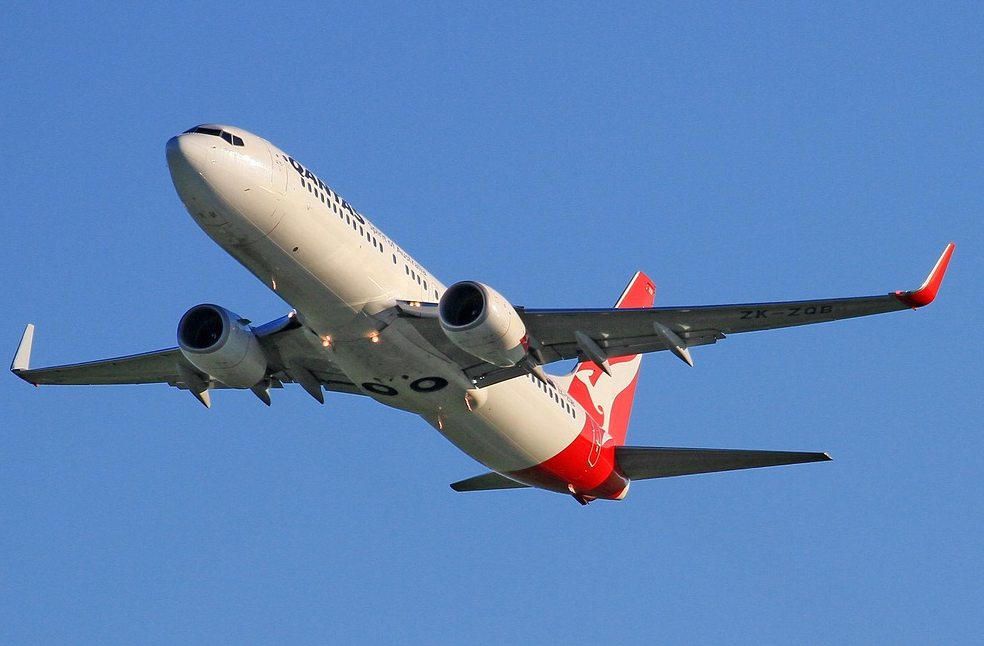
Despite the longer routes, most airlines have continued operating non stop services. However, Qantas has introduced a refuelling stop in Singapore for its Perth to London flight due to the increased distance. Flights to India have also taken longer routes south of the Gulf to avoid the conflict zone.
Experts have warned that the situation could worsen if the conflict spreads to Azerbaijan, a strategically located country bordering Russia, Iran, Armenia and Georgia. Aviation analyst David Kaminski said that, “If Azerbaijan were drawn into the conflict, airlines could face a huge airspace barrier stretching from Saudi Arabia to northern Russia.”
Such a development could cause severe disruption to international flights and force airlines to reconsider global route networks.
If the conflict continues for an extended period, analysts suggest the long term business model of major Gulf airlines could also face challenges, particularly as cities such as Dubai and Doha rely heavily on connecting flight traffic between Europe and Asia.
YOU MAY LIKE | Why everyone is talking about the 75 Hard Challenge
