


Dubai: Hundreds more flights have been cancelled as escalating conflict between the United States, Israel and Iran has triggered the most severe disruption to global air travel since the Covid pandemic. Thousands of flights have already been grounded, leaving hundreds of thousands of passengers stranded across multiple continents.
By early March 2, 1,239 flights had already been cancelled, following 2,800 cancellations on February 28 and 3,156 on March 1, according to FlightAware. Major Middle Eastern hubs, including Dubai, Abu Dhabi and Doha, have suspended operations for a third consecutive day, with airspace across Iran, Iraq, Kuwait, Israel, Bahrain, the UAE and Qatar largely empty.
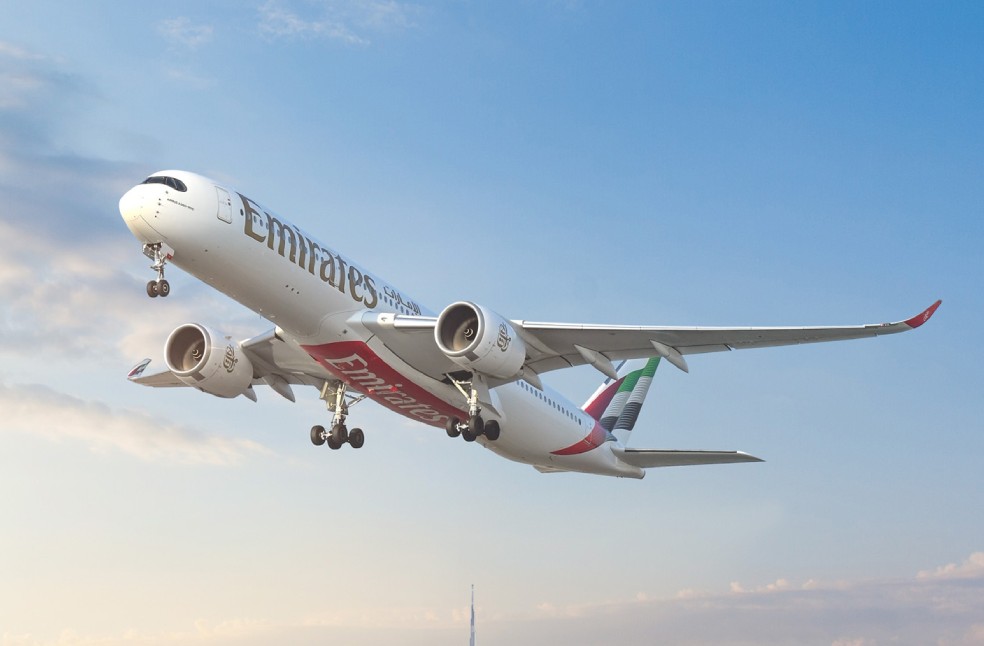
Emirates Airlines has suspended services to and from Dubai until 3pm UAE time on March 2, while Etihad Airways has halted operations to and from Abu Dhabi until 2pm. Qatar Airways has also suspended flight operations due to Qatari airspace closure. Air India has cancelled services from Delhi, Mumbai and Amritsar to key cities in Europe and North America.
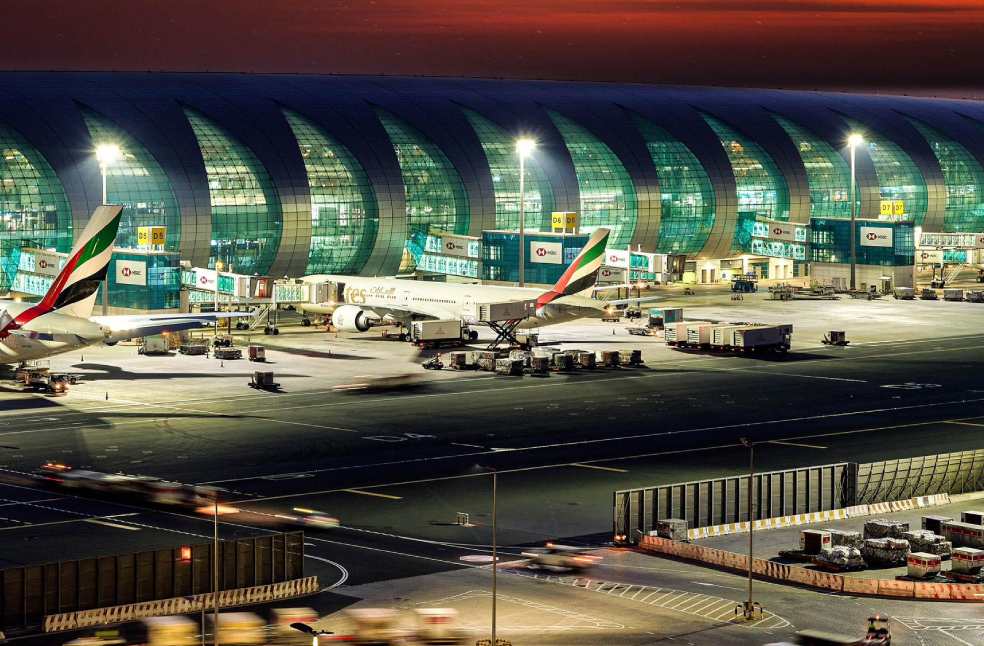
The disruption has extended well beyond the Gulf region, affecting passengers from Bali to Frankfurt. Crew and pilots have been left scattered worldwide, complicating efforts to resume flights once airspace reopens. Analysts have described the shutdown of all three major Gulf transit hubs as unprecedented in modern aviation.
Airline stocks have fallen sharply amid the turmoil. Japan Airlines dropped 5.6 percent, Singapore Airlines declined 4.5 percent, Qantas fell 5.4 percent and Cathay Pacific slipped 2.9 percent. Brent crude prices have surged by up to 13 percent to $80 (£63) per barrel, with some analysts warning prices could rise to $100 (£79), increasing cost pressures for carriers.
Private jet demand has also surged, with charter prices from Riyadh to Europe reaching as high as $350,000 (£277,000). Aviation experts have warned that prolonged airspace closures could lead to sustained disruption to both passenger travel and global air cargo routes.
RELATED POST | Middle East airspace closures trigger global flight chaos
