


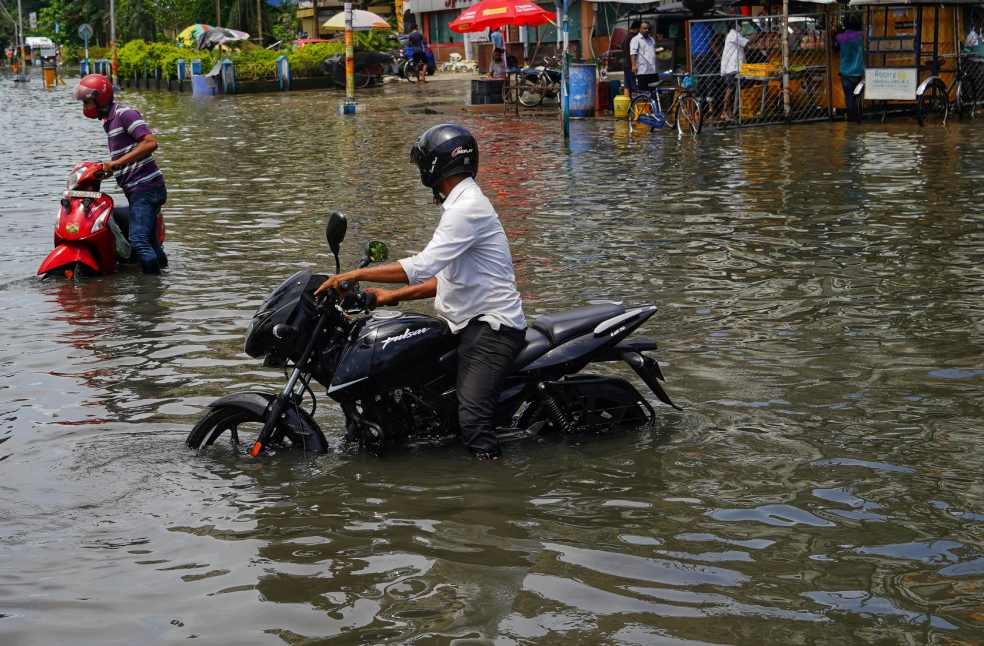
Bali: Rescue teams in Indonesia have recovered at least 15 bodies following deadly flash floods and landslides that struck Bali and East Nusa Tenggara, with authorities confirming that 10 people remain missing.
Torrential rains triggered rivers to overflow, inundating homes, markets, and tourist areas, while mudslides buried villages across the affected provinces.
In East Nusa Tenggara’s Nagekeo district, rescuers retrieved the bodies of a mother and her child buried under mud in Mauponggo village, along with a man from nearby Loka Laba. Three members of a family had earlier been found dead after their home was swept away, while four residents remain missing in Mauponggo.
Local Disaster Mitigation Agency chief Agustinus Pone said flash floods in Nagekeo destroyed two bridges, government offices, plantations, rice fields and livestock, while a landslide blocked three roads, hampering emergency access. Six villagers were killed, with four still missing.
In Bali, where flooding submerged nine cities and districts, at least nine deaths have been confirmed. Rescuers pulled a woman’s body from the Badung market in Denpasar, while six people remain unaccounted for. Eight bodies were found earlier, including four people trapped in a building swept away at the Kumbasari market in South Denpasar.
Dramatic video footage released by the National Search and Rescue Agency showed cars floating in brown floodwaters, while soldiers and rescue teams evacuated children and the elderly from rooftops using rubber boats.
Bali Governor Wayan Koster said floodwaters reached up to 2.5 metres in some areas, forcing more than 800 people into shelters. Wayan Koster confirmed that electricity and water supplies had been cut, leaving hotels, restaurants, hospitals and other facilities reliant on generators. Landslides in Karangasem, Gianyar and Badung districts damaged at least 15 houses and shops, as well as roads and bridges.
Koster remarked that, “This disaster has caused not only loss of life but also significant damage to tourism businesses and local traders.”
Indonesia’s disaster agency warned that heavy seasonal rains, common between September and March, will likely bring further risk of flooding and landslides in vulnerable regions.
MOST READ | Prabowo cancels China trip as deadly protests escalate across Indonesia
