



Maryland / Washington DC: The United States has confirmed its first case of a human infection with the flesh-eating screwworm parasite. The infected individual, from Maryland, had recently traveled from Guatemala and received prompt treatment, with preventive measures swiftly implemented, officials said.
Beth Thompson, South Dakota’s state veterinarian, confirmed she was notified of the case within the past week, and a Maryland state government official also verified the report.
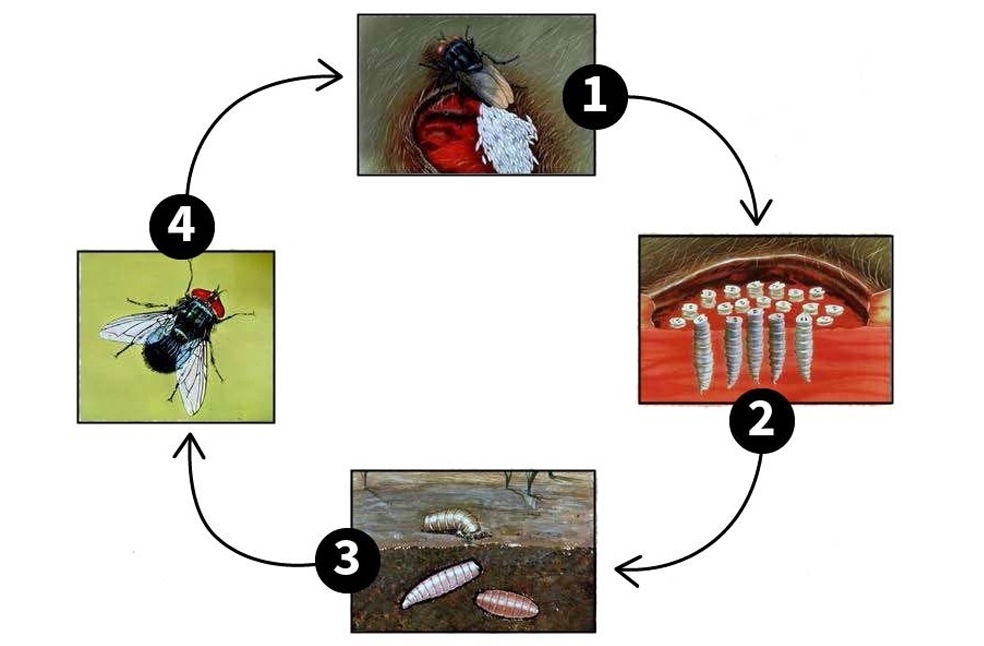
Screwworms are parasitic flies whose larvae feed on the living flesh of warm-blooded animals. The female fly lays eggs in open wounds, and once hatched, hundreds of larvae burrow into the host’s flesh.
The Screwworm can be fatal if untreated. While it is particularly devastating to cattle and wildlife, humans can also be infected. Treatment is arduous, requiring the removal of larvae and thorough disinfection of wounds, but infections are largely survivable if addressed early.
Screwworm outbreak
The outbreak began in Central America and southern Mexico in late 2024. The confirmation of a case in the US is likely to alarm the cattle industry and impact beef and cattle futures, which are already at record-high prices due to limited supply.
The United States imports more than a million cattle from Mexico annually for beef production. Analysts estimate that if the pest spreads, Texas, the nation’s largest cattle-producing state, could face up to $1.8 billion in losses from livestock deaths, labor costs, and medication.
The USDA has deployed traps and officers along the border to control the spread, but the response has faced criticism from some producers and market analysts for not expanding sterile fly production more quickly.
A sterile fly facility produces large numbers of male flies, sterilizes them, and releases them to mate with wild females, gradually collapsing the wild population, a method that eradicated screwworm from the US in the 1960s. The confirmed human case comes just one week after US Agriculture Secretary Brooke Rollins visited Texas to announce plans to build a new sterile fly facility aimed at combating the pest.
Mexico is also constructing a $51 million sterile fly production facility to limit the outbreak, which can kill livestock within weeks if untreated. The USDA has previously stated that approximately 500 million sterile flies would need to be released weekly to push the infestation back to the Darien Gap, the stretch of rainforest between Panama and Colombia.
MOST READ | UK to ban offenders from pubs, concerts, and sports events
