


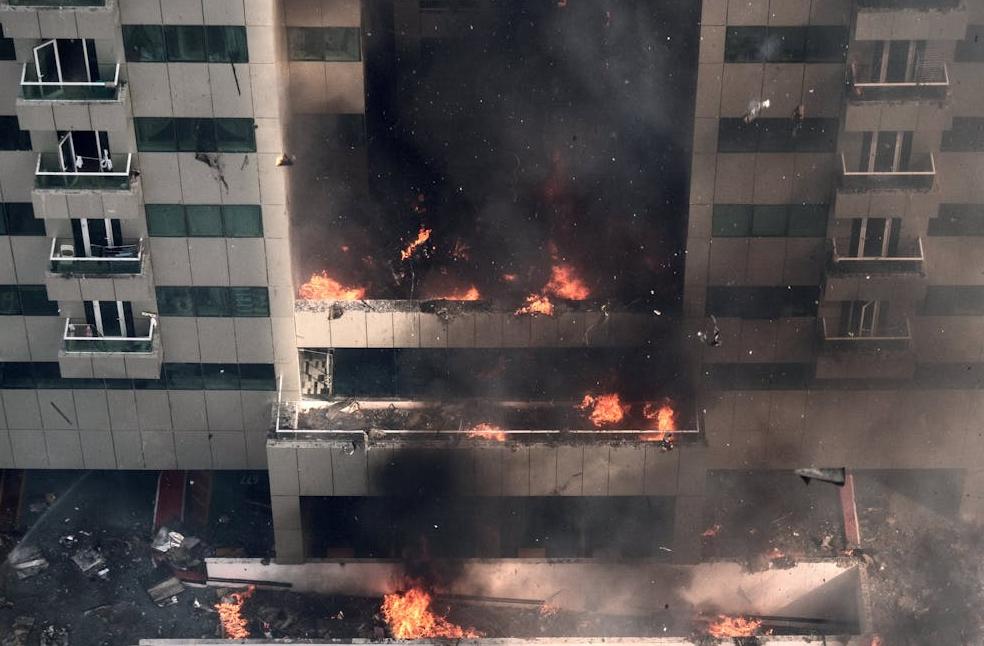
Hong Kong: The fire at the Wang Fuk Court housing complex has caused at least 44 deaths and left nearly 300 residents uncontactable as emergency teams have continued operations across multiple blocks.
Authorities have struggled to reach upper floors due to intense heat and smoke that have persisted almost a full day after the blaze began on November 27 afternoon.
Police have said that early findings have indicated possible ‘grossly negligent’ practices by a construction company carrying out year-long maintenance work. Superintendent Eileen Chung has said that investigators have discovered protective mesh sheets, plastic materials and foam-sealed windows that may not meet fire safety standards, which could have fueled the rapid spread of the fire.
Three individuals from the construction firm, two directors and an engineering consultant, have been arrested on suspicion of manslaughter. Officers have searched the company’s offices and seized documents linked to the Wang Fuk Court project. The company has not responded to requests for comment from local media.
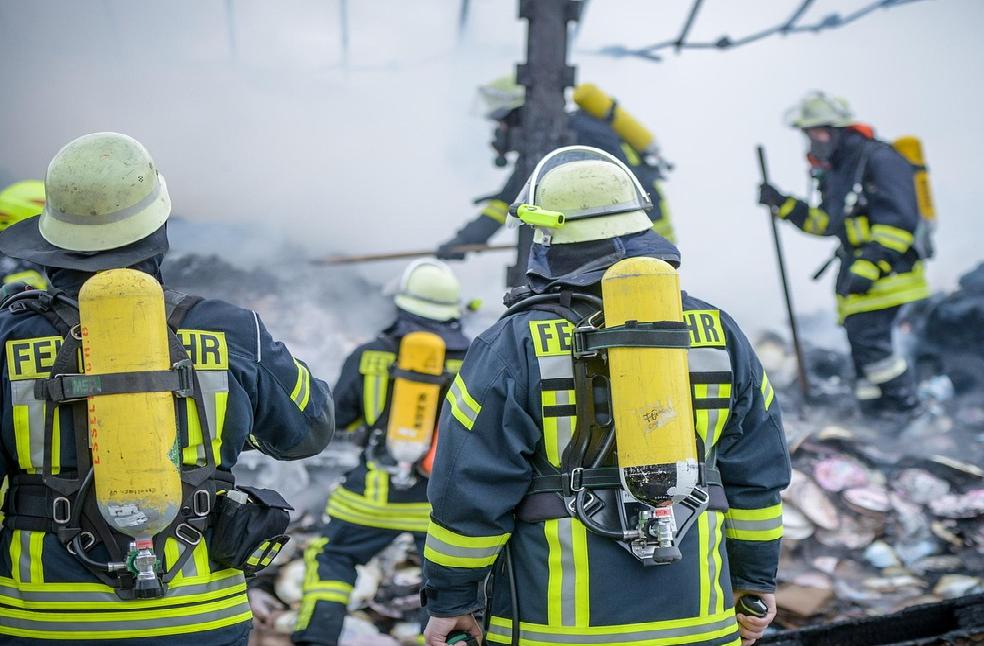
The tightly populated complex in the Tai Po district consists of 2,000 apartments across eight blocks housing more than 4,600 residents. Authorities have reported that the fire has been brought under control in four of the seven affected blocks, while operations have remained active in the remaining towers.
Footage from the scene has shown flames still emerging from buildings covered in green construction mesh and bamboo scaffolding, a material that has been under phased withdrawal in Hong Kong since March for safety reasons.
A firefighter is among the 44 fatalities recorded so far, while 45 individuals have remained in critical condition in hospital. Hong Kong leader John Lee has said that priority has been placed on extinguishing the blaze, rescuing trapped residents and supporting the injured.
The death toll has now become the highest from a fire in Hong Kong since 1948, adding pressure on authorities to reassess health and safety standards within densely populated residential estates. The incident has also renewed scrutiny over maintenance oversight, construction practices and regulatory enforcement in one of the world’s most overcrowded housing markets.
POPULAR | Severe floods overwhelm Thai city after record-breaking rainfall
