


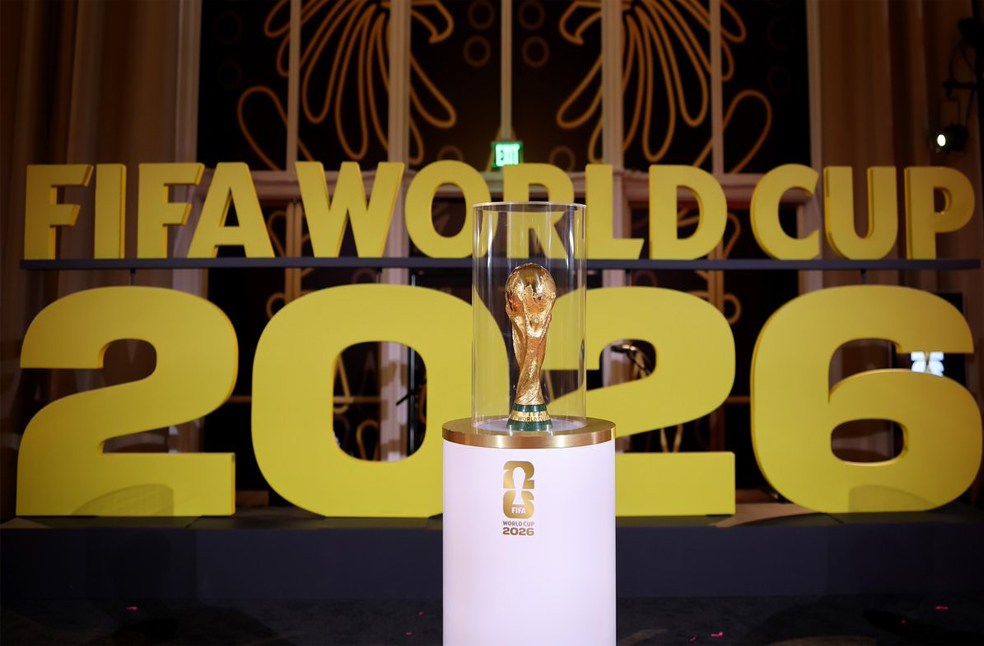
Zurich: FIFA has revealed that more than five million ticket requests have been submitted since the latest sales phase for the 2026 World Cup opened on December 11, despite mounting criticism over the cost of attending matches.
According to football’s world governing body, fans from over 200 countries have applied for tickets, with the group-stage match between Colombia and Portugal in Miami on June 27 emerging as the most in-demand fixture.
However, the ticket pricing structure for next year’s tournament, hosted across the United States, Canada, and Mexico, has sparked widespread concern. The Football Supporters’ Association (FSA) has labelled the prices ‘scandalous,’ noting that group-stage tickets are up to three times more expensive than those for the 2022 World Cup in Qatar, while the cheapest ticket for the final is priced at £3,119.
In response to growing dissatisfaction, the Football Association (FA) is set to contact FIFA to convey supporters’ concerns after being urged to push for lower prices. The FSA has also joined Football Supporters Europe (FSE) in calling for an immediate pause in ticket sales so fan representatives can hold discussions with FIFA regarding its pricing policy.
The issue is expected to be discussed informally at a FIFA Council meeting in Doha next week, which will be attended by FA chair Debbie Hewitt. Last month, Hewitt reiterated her opposition to dynamic ticket pricing and confirmed it would not be used at Euro 2028, which will be hosted by the UK and Ireland.
With the Home Nations’ FAs seeking to host the 2035 Women’s World Cup, and the UK government also involved in the bid, there is a sense that stakeholders may be cautious about directly confronting FIFA. Privately, FIFA insiders argue that while prices may appear high, they reflect the realities of the US market, FIFA’s responsibility to grow the game globally, and its need to generate revenue to support men’s, women’s, and youth football.
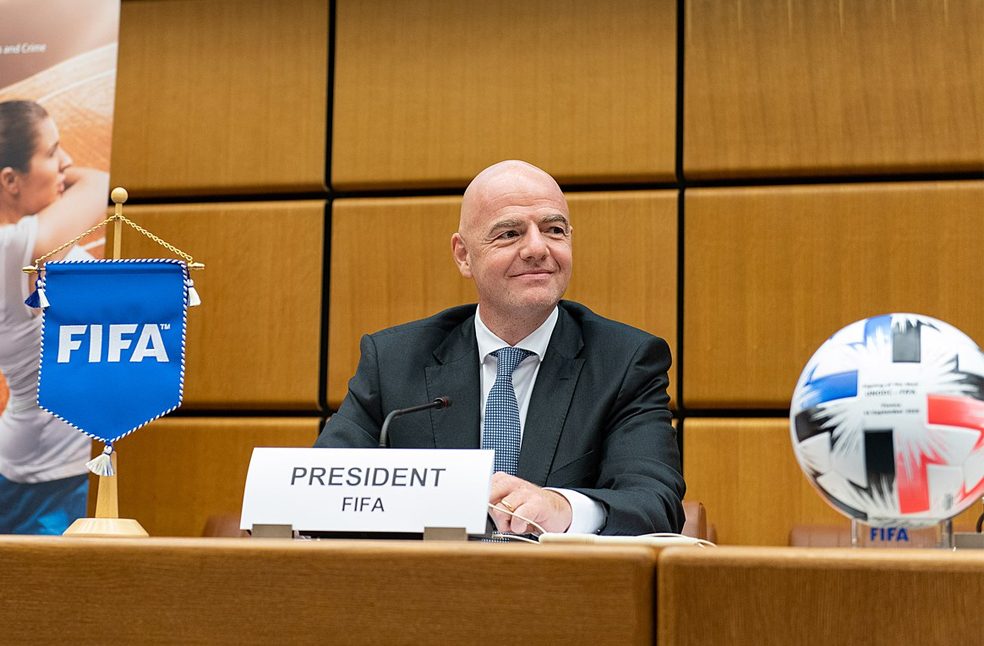
FIFA President Gianni Infantino has pledged to deliver record revenues, and the most financially lucrative World Cup in history could bolster his re-election prospects in 2027.
The scale of the price increases became clear when FIFA released ticket allocation details for the official supporters’ groups. At the 2022 World Cup in Qatar, group-stage tickets were priced at £68.50, £164.50, and £219. For comparable fixtures in 2026, such as England v Croatia and Scotland v Brazil, prices rise to approximately £198, £373, and £523.
Costs increase sharply in the knockout stages. Quarter-final tickets are priced at £507, £757, and £1,073, while semi-final tickets range from £686 to £2,363. The cheapest final ticket, at £3,119, is seven times more expensive than in Qatar. No concessions are being offered for children or other groups.
The expanded 48-team World Cup will run from 11 June to 19 July 2026, with the draw having taken place on December 5th. After Colombia v Portugal, the most requested matches include Brazil v Morocco (New Jersey, 13 June), Mexico v South Korea (Guadalajara, 18 June), Ecuador v Germany (New Jersey, 25 June), and Scotland v Brazil (Miami, 24 June).
FIFA says the highest number of ticket requests have come from the three host nations, followed by Colombia, England, Ecuador, Brazil, Argentina, Scotland, Germany, Australia, France, and Panama.
The FSA has strongly criticised the so-called ‘supporter value’ tickets, the cheapest category, describing them as ‘a laughable insult’ to ordinary fans. It said supporters feel betrayed and warned that many loyal fans will be priced out of attending matches in North America. The association accused FIFA of prioritising revenue over inclusivity, arguing that a tournament meant to unite fans worldwide is being turned into an event only accessible to the wealthy.

Following a team through all eight matches to the final would cost around £5,225 in the lowest price category, rising to £8,850 for mid-range tickets and £12,357 for top-tier seats. By comparison, the equivalent cost in 2022 was £1,466, £2,645, or £3,914, although that tournament required attendance at seven matches rather than eight.
FSE has also criticised the lack of transparency in FIFA’s pricing model, calling the costs ‘extortionate.’ It highlighted that the lowest price category is largely unavailable to dedicated supporters through national associations, as these tickets are reserved for general sales and subject to dynamic pricing.
For the first time in World Cup history, group-stage matches will not have uniform prices, with costs varying based on perceived fixture appeal, meaning fans could pay different amounts for the same category at the same stage of the tournament.
Echoing these concerns, the England Fans’ Embassy described the prices as ‘a slap in the face’ to loyal supporters who follow their teams outside major tournaments, warning that fan loyalty has been sidelined and supporters across participating nations have been deeply let down.
ALSO READ | Is phubbing destroying your real-life connections?
