


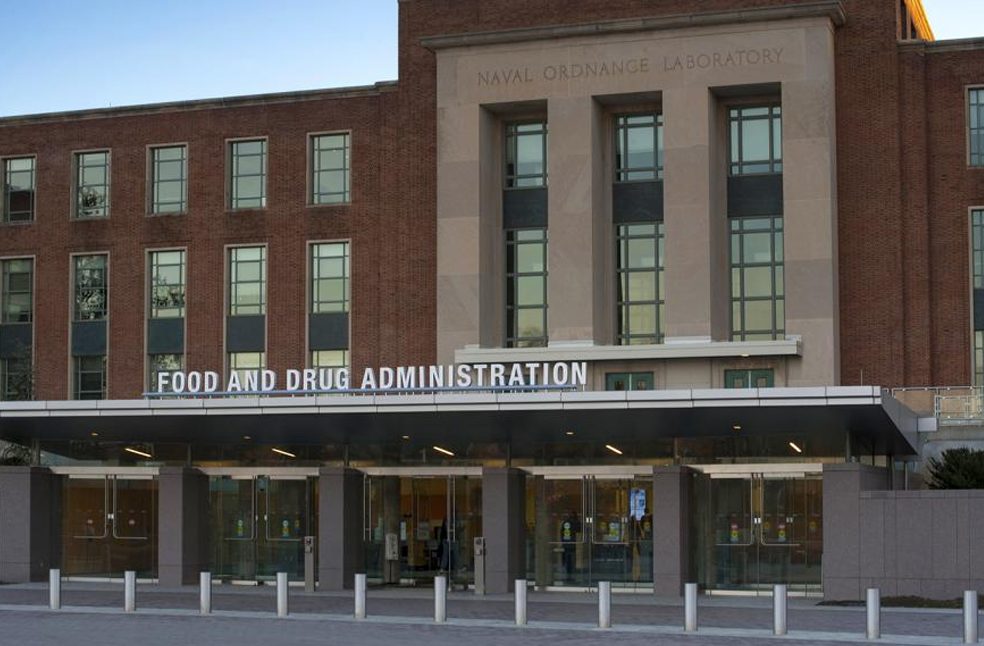
Washington DC: The US Food and Drug Administration (FDA) plans to issue roughly 100 cease-and-desist enforcement notices along with thousands of warning letters to pharmaceutical companies, instructing them to ensure that direct-to-consumer (DTC) advertisements comply with existing regulations, senior administration officials said.
Officials emphasized that drug ads cannot create misleading impressions about products and must appropriately disclose side effects. One official commented that, “There are ads that are clearly crossing the line with respect to the regulation, making any potential future legal action, I think, pretty clear cut.”
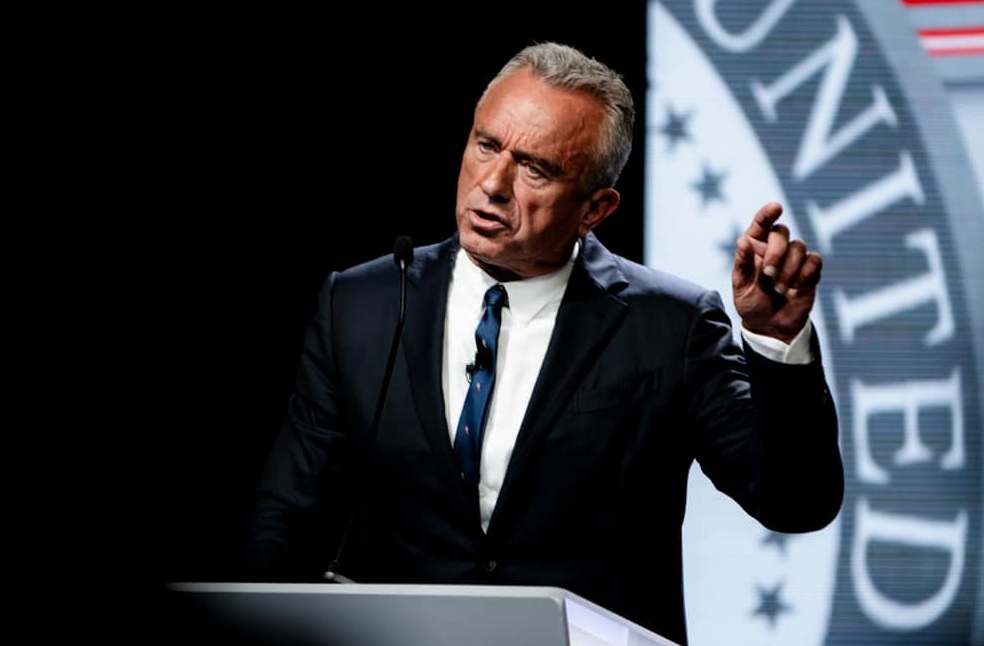
On the same day, US President Donald Trump signed a presidential memorandum calling for the administration to step up enforcement of DTC pharmaceutical ads, ensuring transparency and accuracy. Health and Human Services Secretary Robert F. Kennedy Jr. remarked that, “Pharmaceutical ads hooked this country on prescription drugs. We will shut down that pipeline of deception and require drug companies to disclose all critical safety facts in their advertising.”
The industry lobby group PhRMA responded, affirming that drugmakers are committed to accurate and responsible advertising, providing Americans with fact-based, accessible information to help make informed healthcare decisions.
This enforcement action coincides with the release of a report on US children’s health by Kennedy’s Make America Healthy Again (MAHA) Commission. Officials noted that FDA enforcement on drug ads has been increasingly lax; last year, no enforcement letters were issued regarding DTC advertising.
Authorities did not disclose which companies received the letters but emphasized that concerns extend beyond traditional drugmakers to online pharmacies that may not follow the same rules. They are also examining the role of social media influencers in advertising prescription drugs and aim to close loopholes that allow companies to refer patients to websites for side-effect information.
Administration officials stressed that no additional presidential actions on DTC drug ads are planned, calling the memorandum “the strongest, boldest action that we can take on making sure that patients have adequate safety information.”
Previously, during his first term, Trump attempted to mandate that pharmaceutical companies include wholesale drug prices in TV ads, but courts sided with companies such as Merck, Eli Lilly, and Amgen, striking down the rule. This coordinated FDA enforcement and presidential action signal a renewed focus on patient safety, transparency, and accountability in pharmaceutical advertising in the US.
MOST READ | NHS Trusts ranked for first time to improve patient care
