


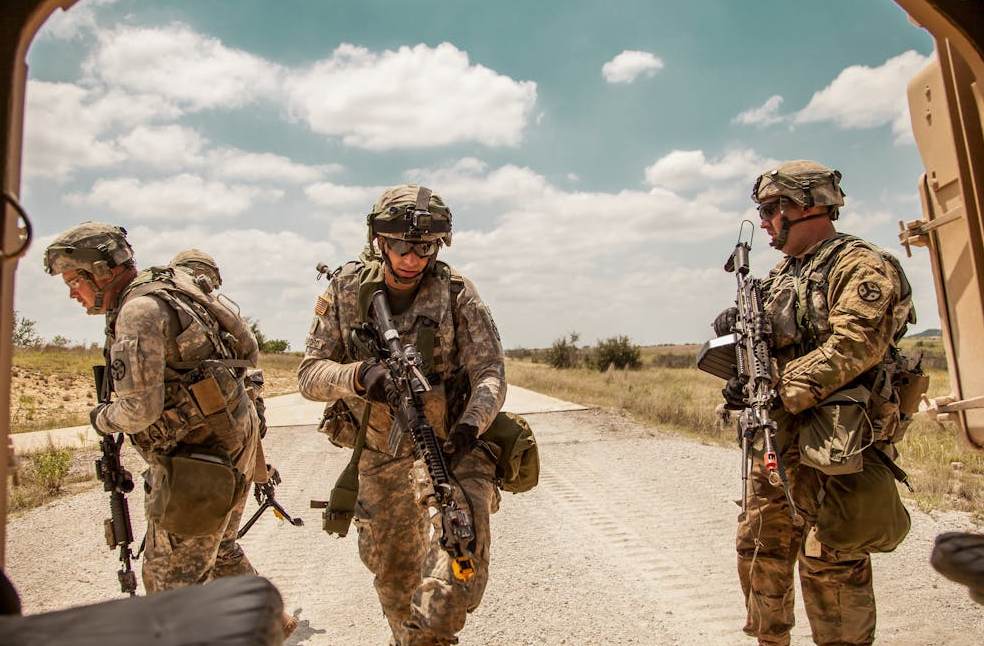
Seoul: South Korea’s military has fallen to approximately 450,000 active personnel, marking a 20 percent reduction since 2019, according to a defence ministry report shared by Democratic Party lawmaker.
Officials confirmed that the primary driver of the decline is the nation’s persistently low birthrate, which at 0.75 children per woman is the lowest in the world.
South Korea’s military maintains mandatory service for all able-bodied men, largely due to its unresolved conflict with nuclear-armed North Korea. Currently, service lasts 18 months, with exemptions and deferments rarely granted. Critics of the system argue that it disrupts young men’s careers, while some conservative voices have called for women to also be conscripted to address manpower shortages.
A study released in July by South Korean researchers indicated that at least 500,000 troops would be required to effectively defend against a potential attack from North Korea, which has around 1.3 million active-duty soldiers.
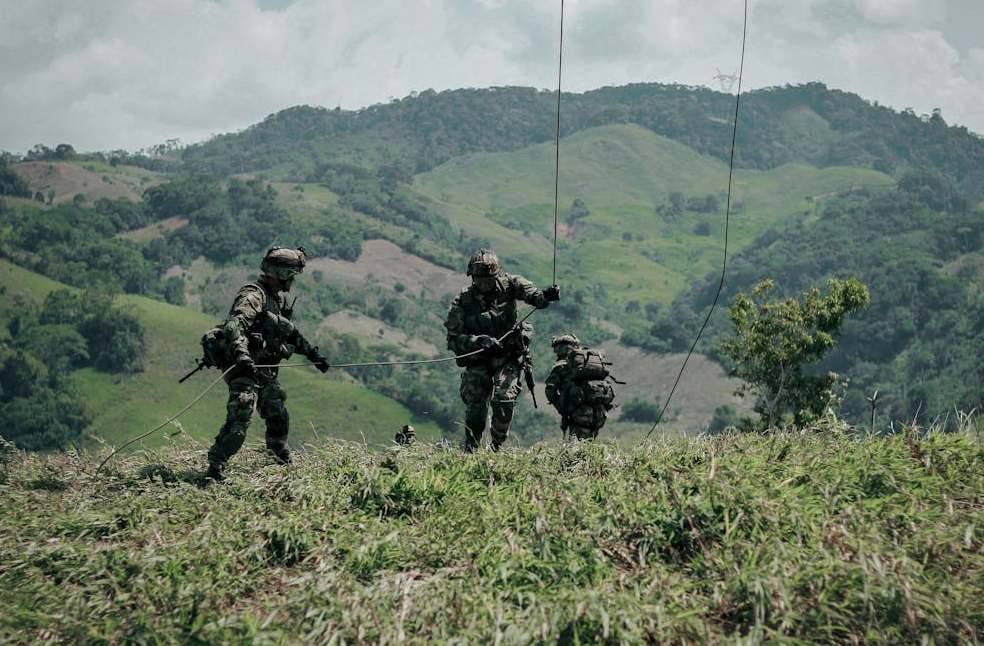
The shrinking size of South Korea’s military has been described as placing the nation in a ‘structurally difficult position to succeed in defence’.
Since 2006, the number of army divisions has dropped from 59 to 42 due to disbandments and mergers. The government has been raising its defence budget in response to these challenges, with the 2025 allocation exceeding $43 billion (£31.8 billion), a figure larger than North Korea’s GDP.
Experts have warned that if birthrate trends continue, South Korea’s population of 50 million could halve within six decades, placing further strain on military recruitment and national security planning. The government has been urged to implement comprehensive demographic and defence reforms to address these long-term challenges.
Analysts suggest that solutions could include revising conscription policies, expanding the role of technology and automation in South Korea’s military defence operations, and introducing incentives to boost birthrates, aiming to secure the nation’s security capabilities for future generations.
YOU MAY LIKE | Jen Pawol officiates as MLB’s first female regular season umpire
