


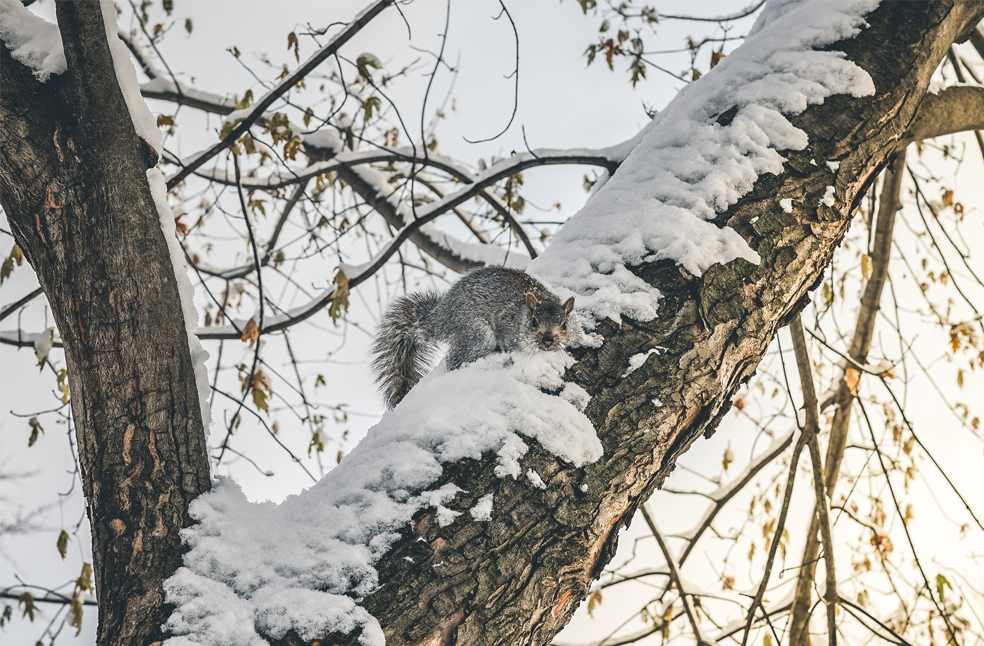
Northern US: During winter cold spells, reports of exploding trees often capture attention. In reality, trees are not literally exploding; the sounds come from frost cracks forming when water inside the tree freezes and expands.
Trees have natural protections against freezing. Their bark acts as insulation, and during winter, their cells dehydrate and increase sugar concentrations, acting as a natural antifreeze.
However, if temperatures drop rapidly, trees may not have fully acclimated. Water and sap trapped in the outer layers freeze and expand, creating internal pressure, especially when the outer wood cools faster than the interior.
Uneven contraction between bark and wood increases stress, sometimes causing exploding trees with a loud, gunshot-like noise. Branches may occasionally break, but truly dramatic ‘explosions’ are rare, and some viral videos of exploding trees may be staged or digitally enhanced.
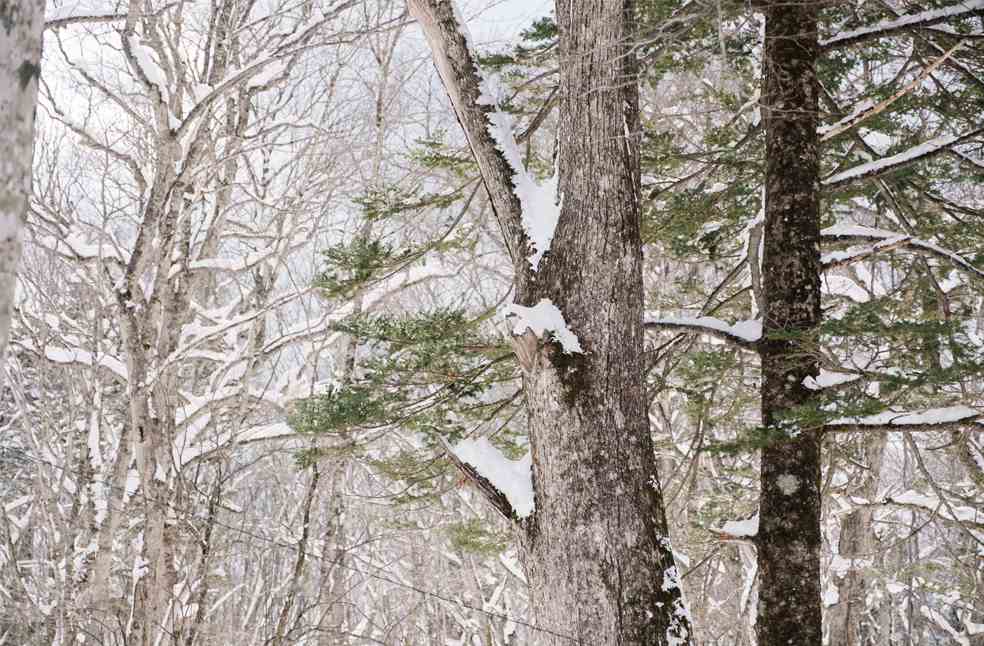
Frost cracks usually form along existing weak points in the bark. Thin-barked species, including maples, lindens, and birches, are more vulnerable, and non-native trees may be at higher risk if they are not adapted to cold climates.
Native trees are often resilient, shedding much of their internal water before freezing sets in and entering a dormant, dehydrated state that helps them survive. Their internal structure allows continued function even if some vessels are damaged, reducing the likelihood that exploding trees will suffer serious harm.
Most frost cracks are harmless. The splits often close once temperatures rise, and the tree recovers over the summer, though the same crack may reopen in future winters. Serious damage is uncommon, and the loud, sudden sounds are typically dramatic but not dangerous to people nearby. For the tree itself, the split is not fatal, although damaged bark can allow insects, fungi, or bacteria to enter.
Frost cracking, which causes exploding trees, is most common during sudden temperature swings, especially on sunny days when sun-warmed bark cools quickly at night. While the phenomenon can startle observers, it is a natural response of living material to extreme cold. Most trees survive winter intact, maintaining both health and structural integrity.
ALSO READ | Exploring the science behind world’s deep blue sky
