


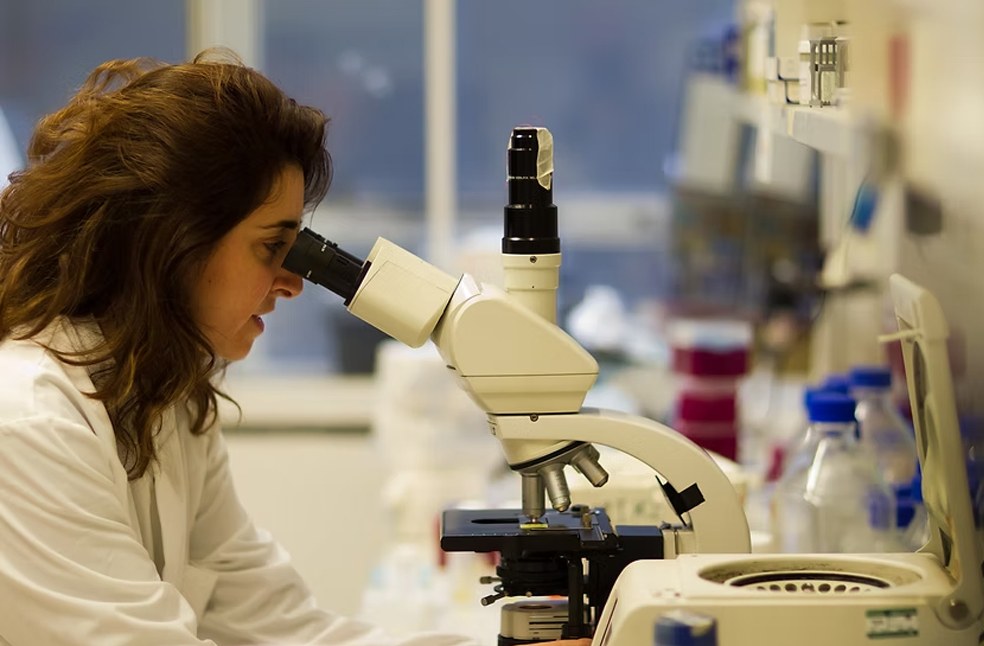
London: A DNA editing therapy once thought to exist only in science fiction has successfully reversed aggressive and previously incurable blood cancers in several patients, according to UK doctors.
This revolutionary therapy works by precisely editing the DNA in white blood cells, transforming them into a cancer-fighting ‘living drug.’
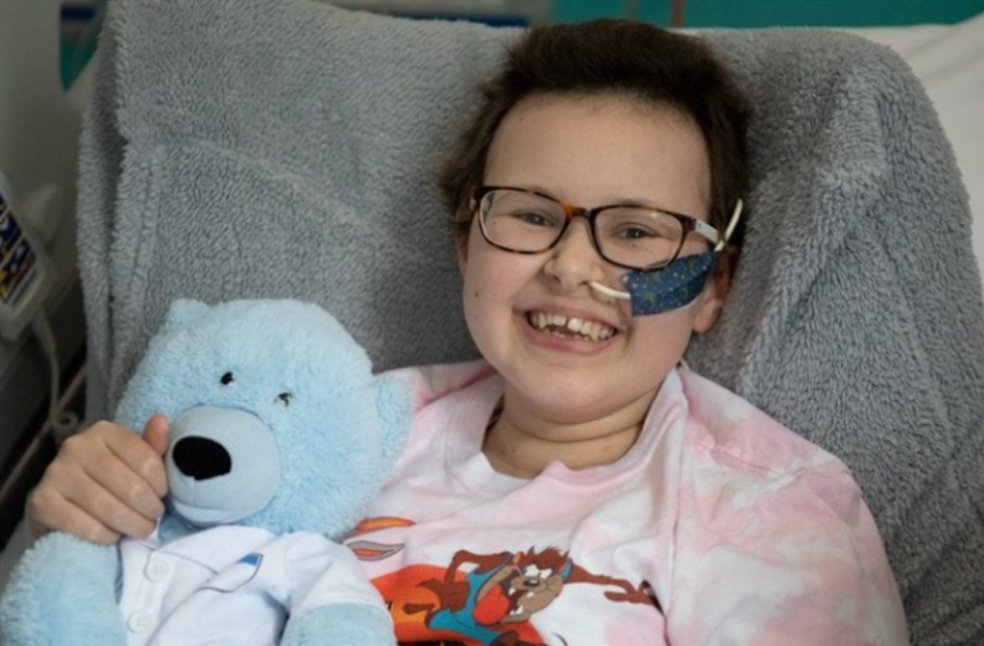
The first patient to receive the DNA editing therapy, 16-year-old Alyssa Tapley, whose story was first reported in 2022, remains free of the disease and now plans a career in cancer research. Since her treatment, eight more children and two adults diagnosed with T-cell acute lymphoblastic leukemia (T-ALL) have undergone DNA editing therapy, with nearly two-thirds (64 percent) achieving remission.
T-cells normally act as the body’s defenders, identifying and eliminating harmful threats. But in this form of leukemia, they grow uncontrollably. For patients in the trial, standard chemotherapy and bone marrow transplants had already failed, leaving DNA editing therapy as the only potentially life-saving option.
The therapy, developed by teams at University College London (UCL) and Great Ormond Street Hospital, uses a cutting-edge technique called base editing. DNA consists of four bases, adenine (A), cytosine (C), guanine (G), and thymine (T), which act as the body’s instruction manual.
DNA editing therapy allows scientists to precisely modify individual bases, effectively rewriting the genetic instructions to create therapeutic effects. Researchers used DNA editing therapy to engineer healthy T-cells to attack leukemia cells without destroying themselves. The process involved four critical edits:
- Disabling the T-cells’ natural targeting mechanism so they would not attack the patient’s body.
- Removing the CD7 marker, essential for preventing the therapy from self-destructing.
- Adding an ‘invisibility cloak’ to protect the T-cells from being killed by chemotherapy.
- Programming the T-cells to seek out and destroy any cell displaying CD7, including cancerous T-cells.
Once infused into patients, the modified T-cells destroy all CD7-positive cells. If no cancer is detected after four weeks, a bone marrow transplant is performed to regenerate the immune system.
Prof. Waseem Qasim from UCL and Great Ormond Street Hospital called DNA editing therapy a treatment that “would have been science fiction a few years ago.” Qasim noted that it is an intensive procedure but extremely effective when successful.
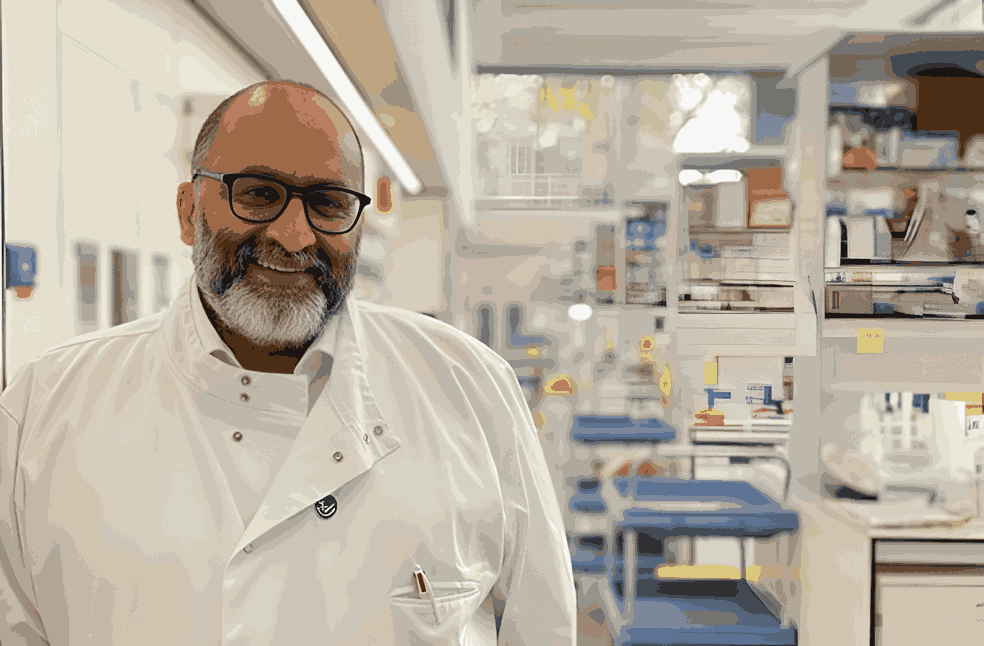
The study, published in the New England Journal of Medicine, reports results from the first 11 patients treated across Great Ormond Street and King’s College Hospital. Nine achieved deep remission, enabling bone marrow transplants, and seven remain cancer-free between three months and three years post-treatment.
Risks remain, including severe infections while the immune system is temporarily dismantled. In two cases, the cancer lost its CD7 markings, allowing it to evade DNA editing therapy and return.
Despite these risks, doctors say the results are remarkable. Dr. Robert Chiesa from Great Ormond Street Hospital said that the therapy offers hope to patients who otherwise had none. Dr. Deborah Yallop, consultant hematologist at King’s, called it a ‘very powerful approach,’ and Dr. Tania Dexter from the UK stem cell charity Anthony Nolan highlighted its promise for wider future application.
DNA editing therapy is now seen as a transformative advance in the fight against aggressive blood cancers, offering patients who once had no options a chance at survival and a return to normal life.
ALSO READ | Met Office: Half-month’s rainfall to hit UK within 24 hours
