


Israel: Israel Australia tensions have escalated as diplomatic tensions and visa restrictions have fuelled friction between the two governments. Strains have grown after Australia announced that it would recognise a Palestinian state, aligning with the UK, France and Canada, a move strongly opposed by Israel.
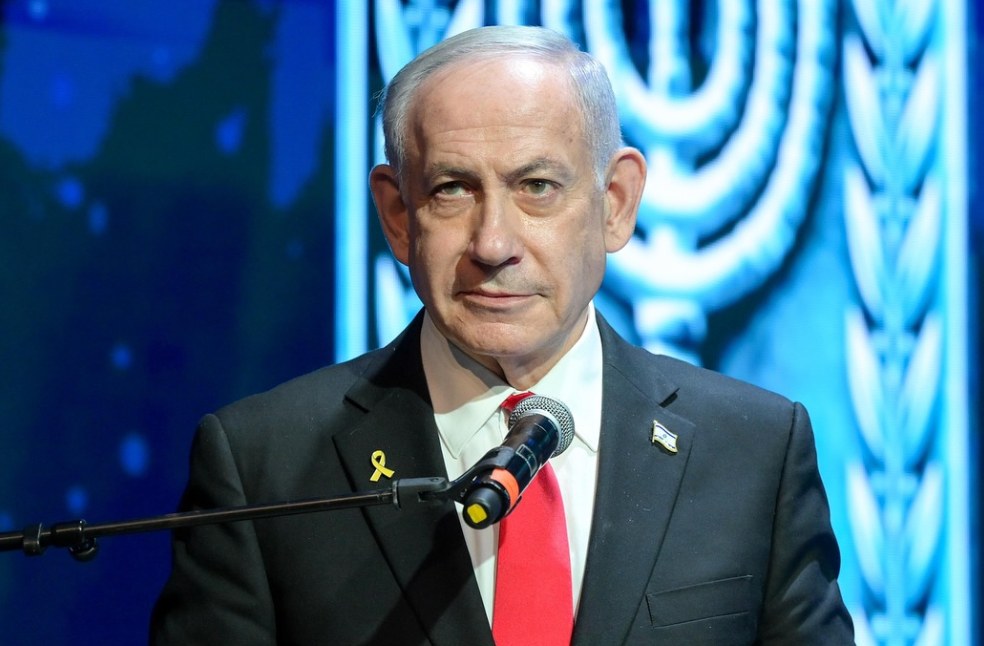
Prime Minister Benjamin Netanyahu has accused Australian Prime Minister Anthony Albanese of betraying Israel and abandoning Australia’s Jewish community. The remarks came shortly after Canberra barred far-right Israeli politician Simcha Rothman from entering the country. Australian officials said that Rothman’s presence could spread division, with Immigration Minister Tony Burke stating that individuals promoting hate were not welcome.
In response, Israel revoked the visas of Australian representatives to the Palestinian Authority. Israel’s Foreign Minister Gideon Sa’ar instructed the embassy in Canberra to scrutinise future visa requests, accusing Australia of fuelling antisemitism amid rising attacks against Jewish institutions.
Albanese responded by stressing respect and diplomacy in his engagements with international leaders, while refusing to escalate the war of words. Burke added that Israel’s leadership was reacting harshly to legitimate criticism, noting that strength was not measured by inflicting suffering.
Israel’s opposition leader Yair Lapid has also condemned Netanyahu’s approach, describing the confrontation as a political advantage for Albanese. Lapid argued that public disputes with Netanyahu only strengthen democratic leaders abroad, branding the Israeli prime minister as politically toxic.

The Australian Jewish Association, which had invited Rothman, confirmed that he would still address its event virtually. The group criticised the Australian government, pledging not to bow to restrictions imposed by senior ministers.
Australia’s recognition of a Palestinian state has been a defining factor in the dispute. Albanese said that the humanitarian crisis in Gaza made inaction unacceptable, particularly as aid distribution points had become targets of violence.
More than 62,000 people have been reported killed in Israel’s military campaign since 7 October, according to health authorities in Gaza. The offensive began after a Hamas-led attack killed around 1,200 people in Israel and resulted in 251 hostages being taken.
With 147 of the 193 UN member states already recognising Palestine, Australia’s move has placed additional pressure on Israel’s government. Netanyahu has continued to criticise Western leaders who support Palestinian statehood, accusing them of siding with extremist groups.
The escalating Israel Australia tensions highlight the deep divide over the conflict, as well as the broader international debate on recognition of Palestinian statehood and humanitarian accountability in Gaza.
POPULAR | Hurricane Erin threatens rough seas near Bahamas
