


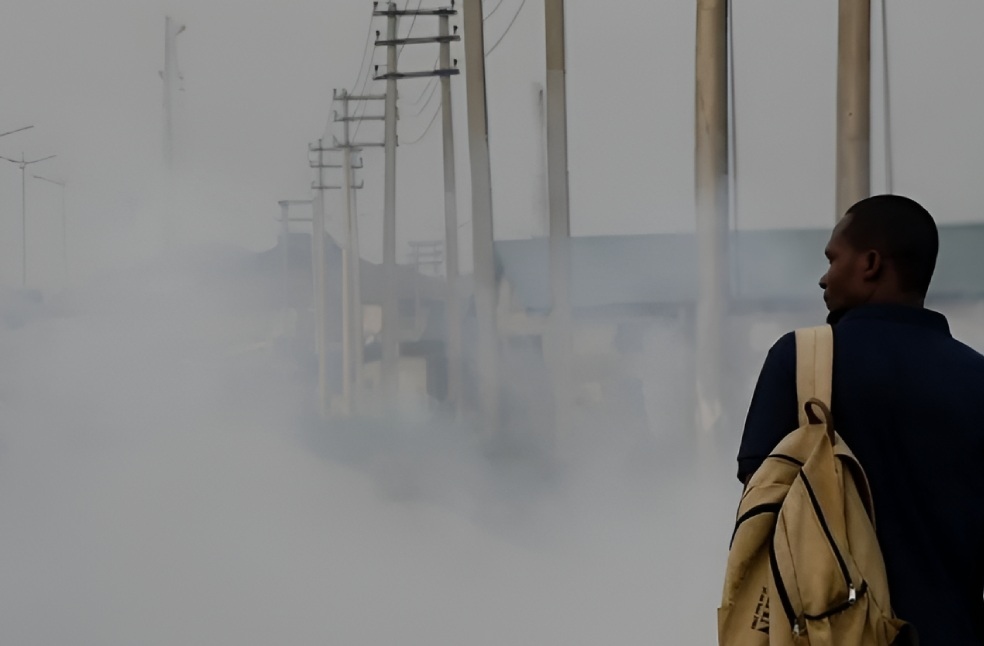
New Delhi: Delhi air pollution has intensified at the start of the week, leaving India’s capital shrouded in thick smog and forcing urgent restrictions aimed at limiting health risks. On December 15 morning, dense haze has covered large parts of the city, disrupting daily life and delaying both flights and train services.
According to government data, Delhi’s air quality index has climbed to 471 on the national scale, placing it firmly in the ‘severe’ category. The index measures harmful pollutants such as PM2.5, fine particulate matter that penetrates deep into the lungs and bloodstream.
Health experts warn that exposure at this level can lead to serious respiratory and cardiovascular problems, particularly among children, elderly people, and those with existing health conditions.
Delhi air pollution has remained a recurring winter challenge, driven by a combination of industrial emissions, vehicle exhaust, low wind speeds, falling temperatures, and the seasonal burning of crop stubble in neighbouring states. Authorities have said that recent weather conditions, including higher moisture levels and shifting wind patterns, have reduced the natural dispersion of pollutants and accelerated smog formation.
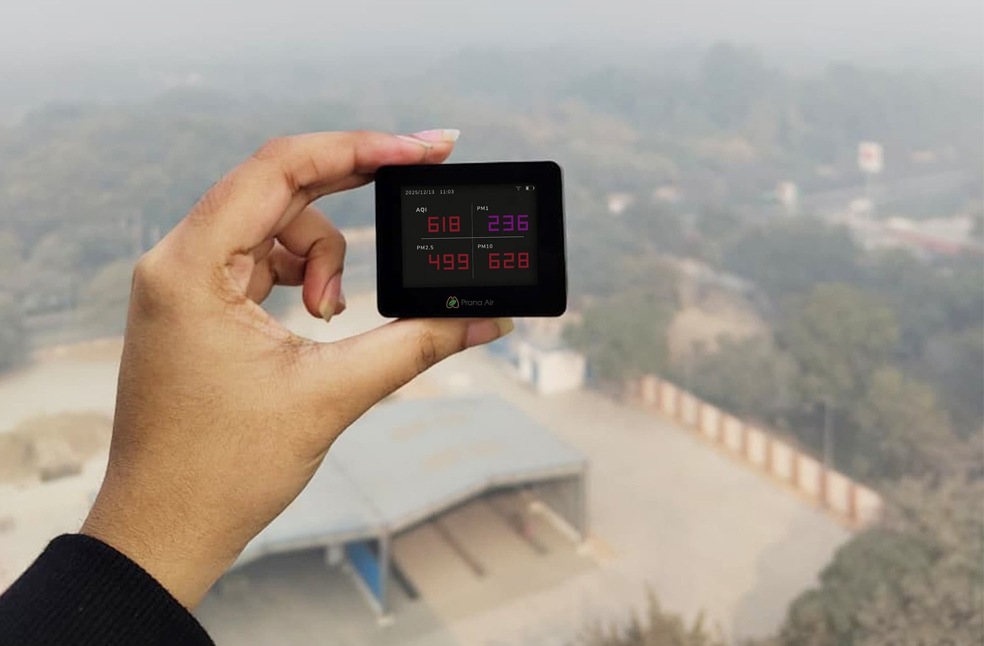
In response to the deteriorating conditions, the Commission for Air Quality Management has invoked the highest stage of its graded response action plan, escalating restrictions from level III to level IV. As part of these measures, construction and demolition activities have been suspended, and older diesel trucks have been barred from entering the city.
Schools across Delhi and surrounding regions have shifted to online or hybrid classes, with younger students required to study from home. India’s top court has also advised lawyers and litigants to attend hearings virtually to minimise outdoor exposure.
Authorities have urged residents to remain indoors as much as possible and to wear masks when stepping outside. Prolonged exposure to severe air quality can cause breathing difficulties even in otherwise healthy individuals.
Government data shows that more than 200,000 cases of acute respiratory illness were recorded in six state-run hospitals in Delhi between 2022 and 2024, underlining the long-term health burden caused by Delhi air pollution.
TOP PICKS | Are countries prepared for the next pandemic?
