


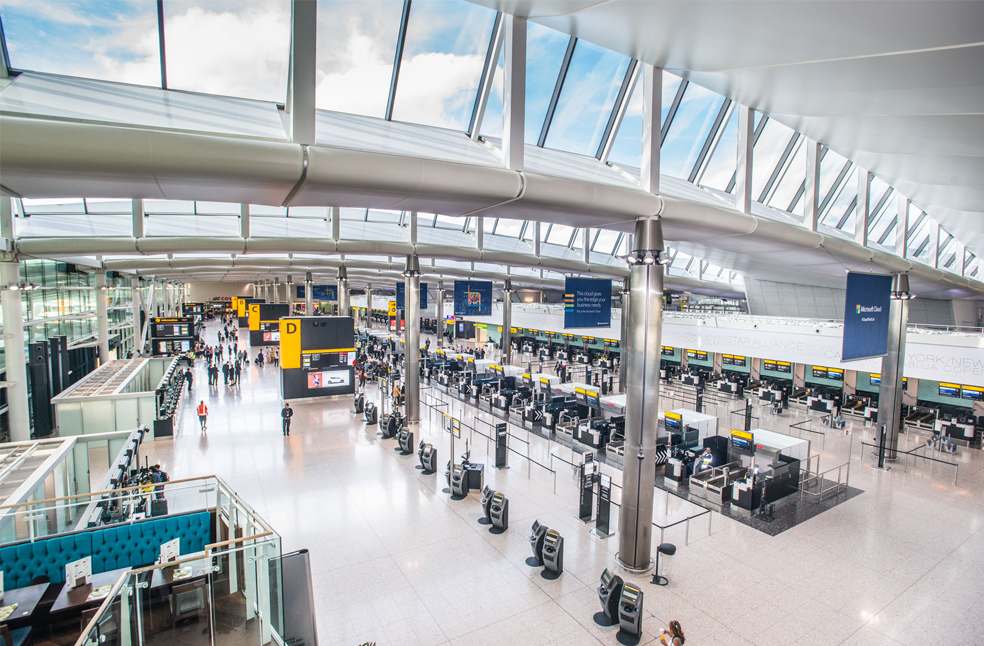
London: Some of Europe’s largest airports faced ongoing disruptions over the weekend after a cyberattack targeted automatic check-in systems, causing delays, long queues, and flight cancellations. Brussels Airport asked airlines to cancel half of the September 22nd scheduled departures as technical issues persisted.
The attack on September 19 affected Collins Aerospace, a provider of check-in and boarding systems owned by RTX, and disrupted operations at London’s Heathrow, Europe’s busiest airport, Berlin Brandenburg Airport, and Brussels Airport.
Passengers experienced significant inconveniences, particularly on September 20. By the 21st, officials reported that disruptions had eased considerably at Berlin and Heathrow, although some issues continued, while Brussels remained significantly affected.
Collins Aerospace confirmed it was working with four impacted airports and airline customers, stating that it was in the final stages of completing software updates needed to restore full functionality. Brussels Airport emphasized that Collins had not yet delivered a secure, updated version of its software, which prompted precautionary flight cancellations.
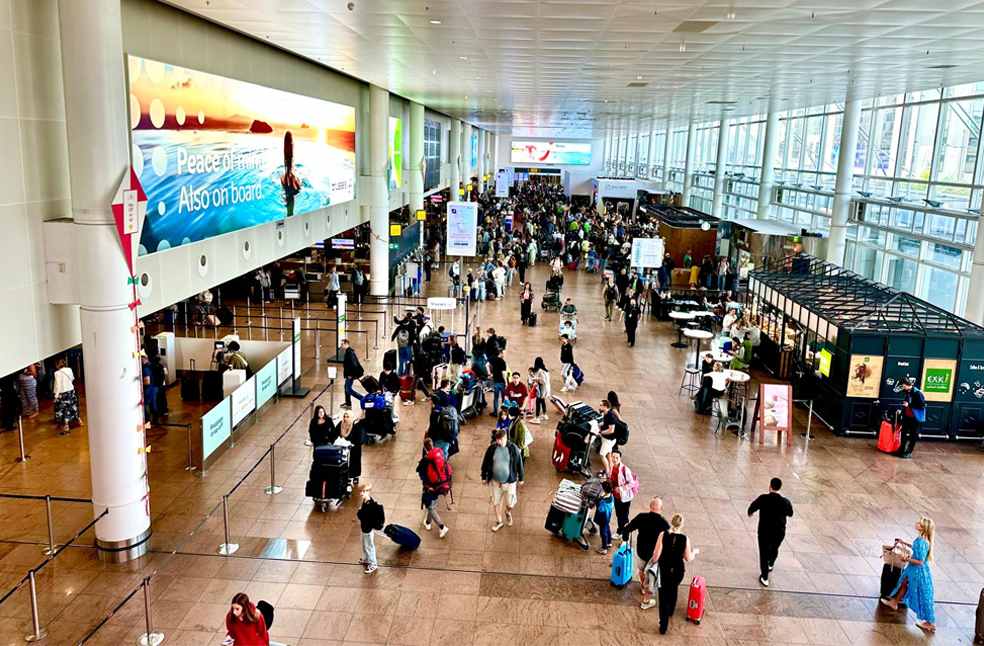
In-person services faced more delay
RTX said that manual check-in operations were mitigating the impact of the incident, which affected its MUSE software used by several airlines. Heathrow reported that most flights continued to operate despite the outage, while Berlin Brandenburg Airport implemented manual workarounds for lingering problems. Aviation data provider Cirium reported ‘low’ delays at Heathrow, ‘moderate’ delays in Berlin, and ‘significant’ delays in Brussels.
Passengers who managed to check in digitally reported minimal impact, while those with checked luggage or relying on in-person services faced longer waits.
India’s IT industry body Nasscom noted that occasional longer waiting times at check-in, boarding, baggage handling, and baggage reclaim are to be expected under such circumstances, and delays were broadly in line with normal operations given the scale of the disruption.
Regional regulators are investigating the source of the cyberattack, which is part of a growing trend affecting multiple sectors, including healthcare, automotive, and retail. Previous incidents include a production halt at Jaguar Land Rover and major financial losses for Marks & Spencer, underscoring the increasing vulnerability of critical infrastructure to cyberattacks.
MOST READ | Canada bans rap trio Kneecap over terror allegations
