


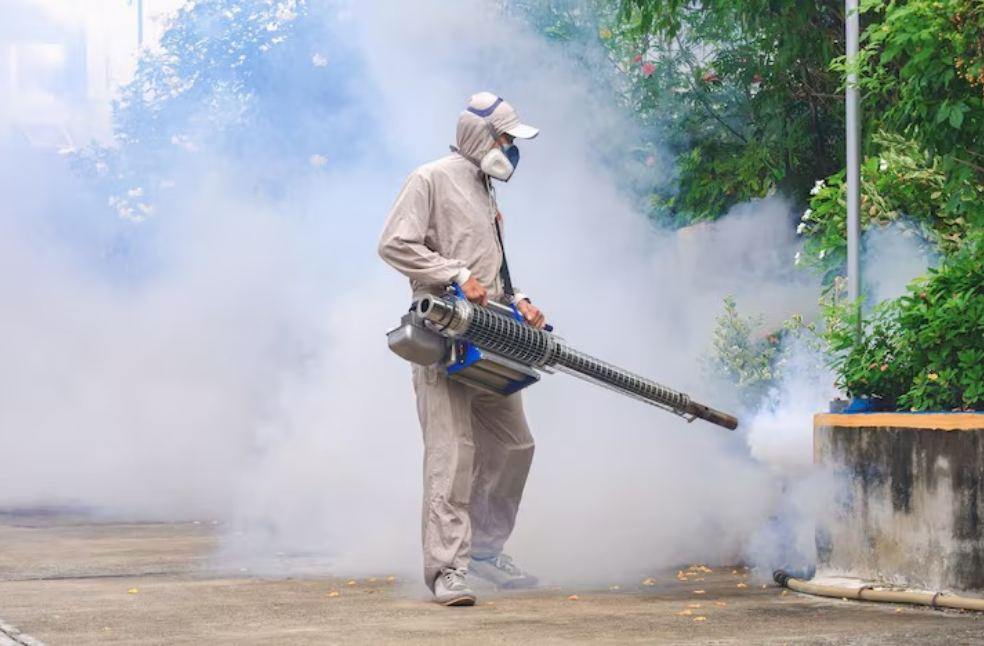
Havana: The Cuba health ministry has confirmed that 33 people have died from mosquito-borne illnesses in recent months, with officials reporting that at least one-third of the population has been affected during the ongoing epidemic.
Deputy Health Minister Carilda Peña has said that 12 of the deaths were linked to dengue and 21 to chikungunya, and that 21 of the victims were under the age of 18. The worsening situation has placed additional pressure on Cuba’s healthcare system, which has already been strained by a prolonged economic crisis that has led to shortages of food, fuel and medicine.
Dengue has long circulated in the country but has become more severe as limited resources hinder fumigation, waste removal and maintenance of water infrastructure. Chikungunya, once uncommon on the island, has also spread rapidly.
Chikungunya is transmitted primarily by Aedes mosquitoes, which also carry dengue and Zika. The virus causes severe joint pain, rashes and headaches, and although it is rarely fatal, symptoms can persist for months. Peña has reported that 5,717 chikungunya cases were detected in the last week alone, though the true number is likely higher because many people do not seek medical attention.
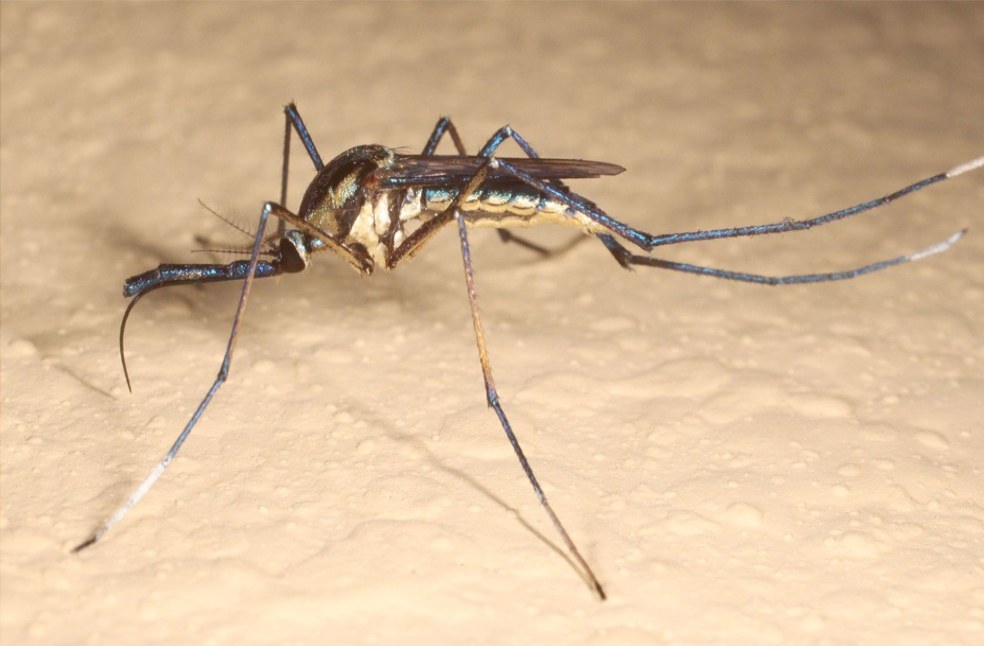
Havana and Santiago de Cuba have recorded the highest infection levels. Officials have said that under-reporting is widespread, as both hospitals and clinics operate with limited supplies while patients often choose to treat symptoms at home. The World Health Organization has warned of the growing risk of global outbreaks, urging countries to strengthen surveillance and mosquito-control programmes to avoid a repeat of the epidemic that began two decades ago.
The crisis in Cuba has been fuelled by declining public health capacity, ageing infrastructure and limited access to insecticides. Fuel shortages have impeded fumigation campaigns, while delays in waste collection have created additional mosquito-breeding sites. Health authorities have continued to call for public cooperation in eliminating standing water and maintaining hygiene in residential areas.
The epidemic has emerged as one of the most serious public-health threats facing the country this year. Officials have warned that continued transmission of dengue and chikungunya could place further strain on medical services as the dry season approaches, when breeding conditions for mosquitoes often intensify. Public-health teams have been deployed across major cities to monitor cases and provide community-level support.
With millions at risk and infections continuing to rise, Cuba faces mounting challenges in controlling the spread of mosquito-borne illnesses while grappling with severe economic limitations that hinder response efforts.
YOU MAY LIKE | Oxford names ‘rage bait’ as its 2025 word of the year
