


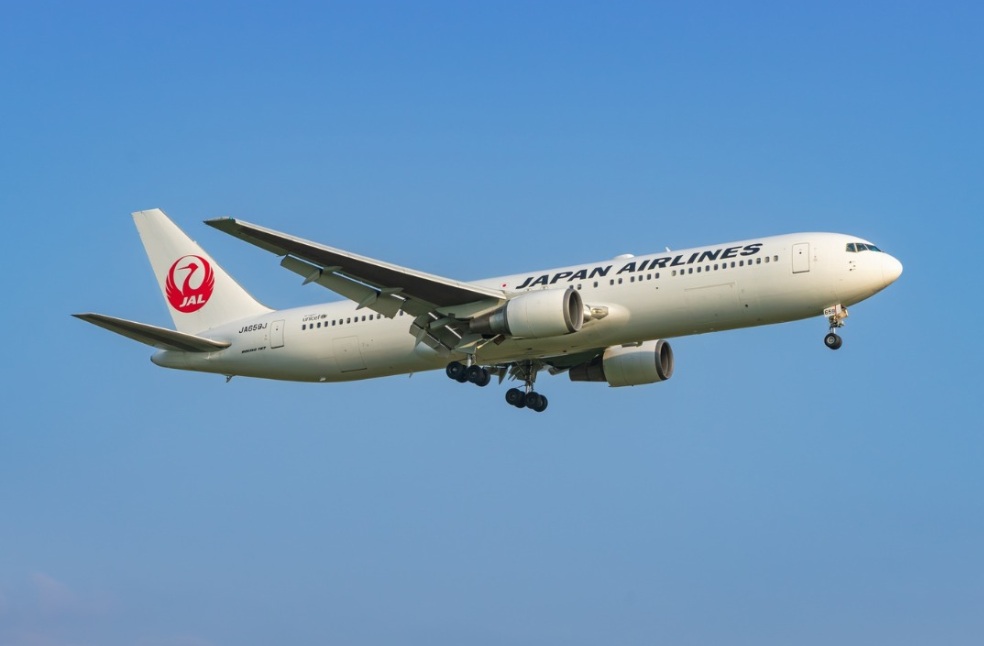
Beijing: Chinese travellers have cancelled an estimated 500,000 flights to Japan amid escalating tensions linked to Japan’s position on Taiwan and the subsequent diplomatic reaction from Beijing.
Airlines, travel agencies, film distributors and cultural bodies have all been drawn into the fallout as disruptions expand across multiple sectors.
Several Chinese airlines, including the three largest state carriers, have offered free cancellations for all Japan-bound passengers. Air travel analyst Hanming Li said departure data has indicated that about 500,000 bookings have been withdrawn between November 15 and 17.
Reports have added that Sichuan Airlines has halted all Chengdu–Sapporo flights from January to late March, while Spring Airlines has cancelled multiple routes, both citing company planning reasons.
China has been the second-largest source of tourists to Japan, and Chinese students form a major part of Japan’s international student population. The large wave of cancellations has affected Japan’s retail and travel sectors, with related company shares declining at the start of the week.
Li told that the scale of cancellations has been the largest since early in the Covid pandemic, while noting that the losses may not significantly affect China’s overall aviation industry due to the relatively small size of the Sino-Japan market.
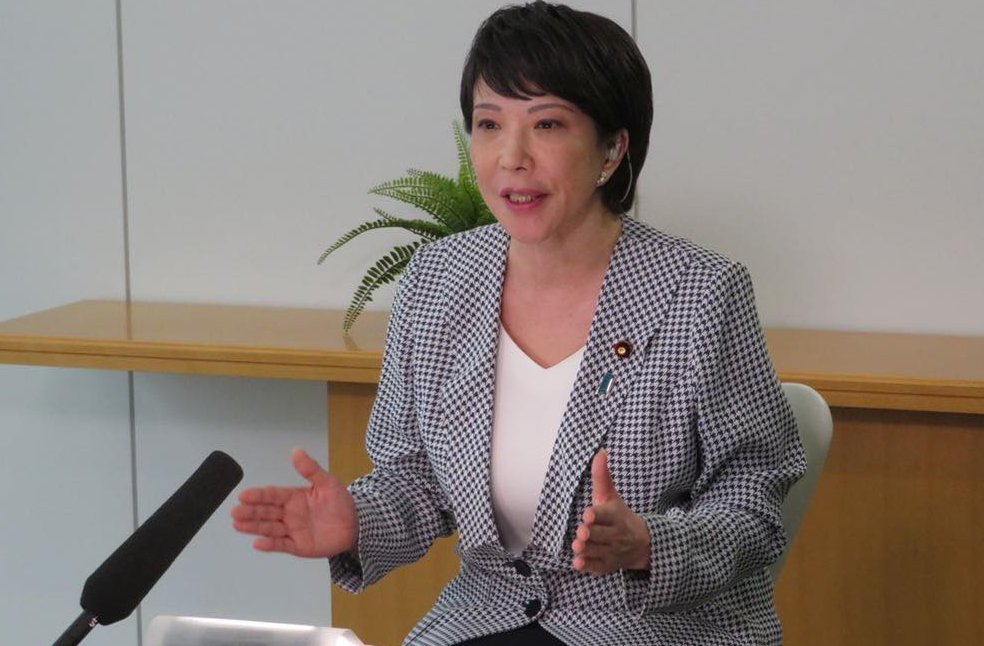
The diplomatic rift began after Japan’s prime minister, Sanae Takaichi, said Japan could become militarily involved if China attempted to invade Taiwan. China has condemned the statement and issued warnings to Chinese travellers and students about heading to Japan. Beijing has also reportedly suspended some visa processing and halted certain Japan–China cultural exchange events.
Economic countermeasures have widened further. Film distributors in China have postponed the release of multiple Japanese films, while state media has reported falling box office revenue for the Japanese title Demon Slayer: Infinity Castle. The shift has been attributed to dissatisfaction among Chinese audiences with Takaichi’s remarks.
Japan’s government has attempted to manage the situation. Industry leaders from Japan’s business lobby Keidanren have urged Takaichi to ease tensions, emphasising that political stability is essential for economic cooperation. Tokyo has also dispatched a senior foreign ministry official, Masaaki Kanai, to Beijing for discussions with Chinese diplomat Liu Jinsong.
The Japanese government has warned its citizens in China to exercise caution as anti-Japanese sentiment grows. Advisories have urged Japanese nationals to avoid crowded locations, remain aware of their surroundings and take additional care when travelling with children. According to Japan’s foreign ministry, about 100,000 Japanese nationals were living in China in 2023.
TOP PICKS | Trump renews demand for release of Epstein investigation records
