


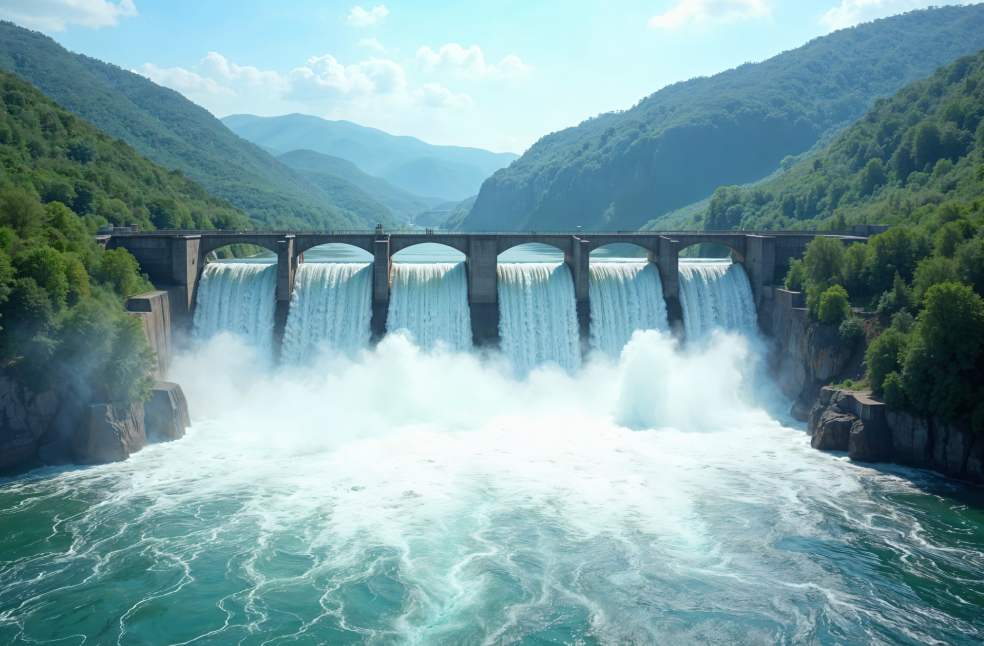
New Delhi: India has raised fears over the construction of a new China mega dam in Tibet, warning that the project could cut water flows on a key river by up to 85 percent during the dry season.
The Chinese project, located near the border just before the Yarlung Zangbo enters India, has been announced as the world’s largest hydropower dam. The river originates in Tibet’s Angsi Glacier and becomes the Siang and Brahmaputra in India, serving as a lifeline for more than 100 million people in China, India and Bangladesh.
Delhi has long considered building its own large dam to counterbalance Beijing’s upstream control. Plans for the Upper Siang Multipurpose Storage Dam have been discussed since the early 2000s, but progress has faced local opposition in Arunachal Pradesh. Residents fear displacement and the destruction of traditional villages, sparking years of resistance.
However, with Beijing breaking ground on the project in July at an estimated cost of nearly $ 170 billion, India has moved to accelerate its own plans. In May, survey equipment was deployed under armed police protection at the prospective site of the Upper Siang dam, which would be the largest in India if completed.
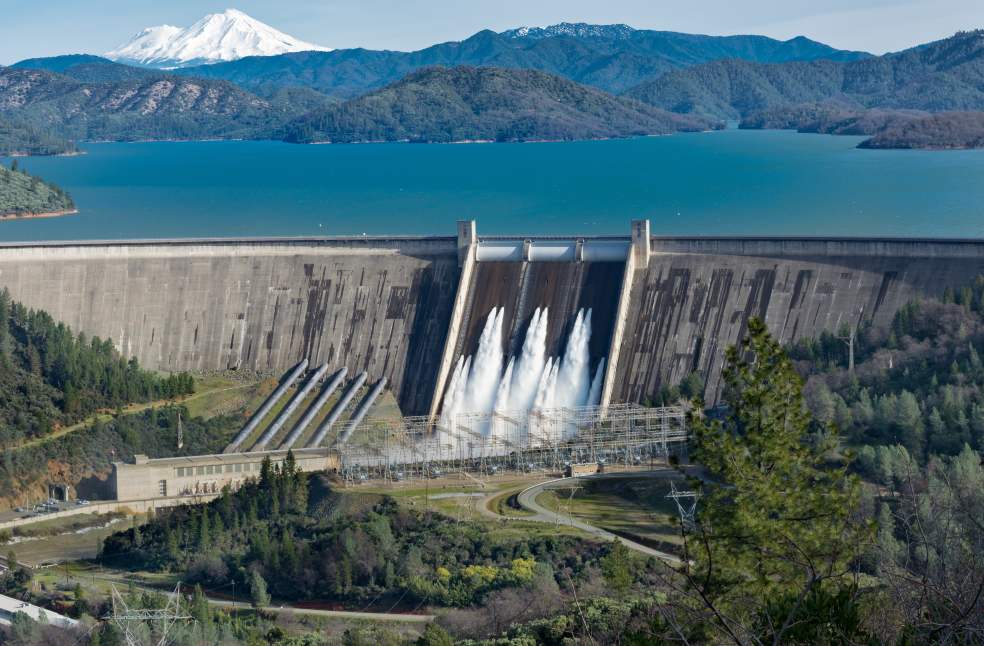
Senior officials, including those in Prime Minister Narendra Modi’s office, have held meetings this year to discuss fast-tracking the project. The Indian analysis has estimated that China’s mega dam could allow Beijing to divert as much as 40 billion cubic metres of water, more than a third of the annual flow at a key border point.
The report has highlighted that the worst impact would be felt during non-monsoon months, when temperatures rise and agriculture is highly dependent on water supply. Without countermeasures, Guwahati, a major city in Assam, could face a 25 percent reduction in water supply.
India is also considering maintaining 30 percent empty storage in its dam to absorb any sudden water releases from China. Experts have said that this strategy could mitigate the risk of devastating floods downstream if Beijing were to release excess water.
Delhi has maintained that the project is a critical safeguard against strategic risks, given China’s growing control of upstream resources. The analysis has concluded that without such measures, India could face severe ecological and economic challenges in the coming decades.
POPULAR | UK minister discussed ChatGPT Plus deal with OpenAI boss
