


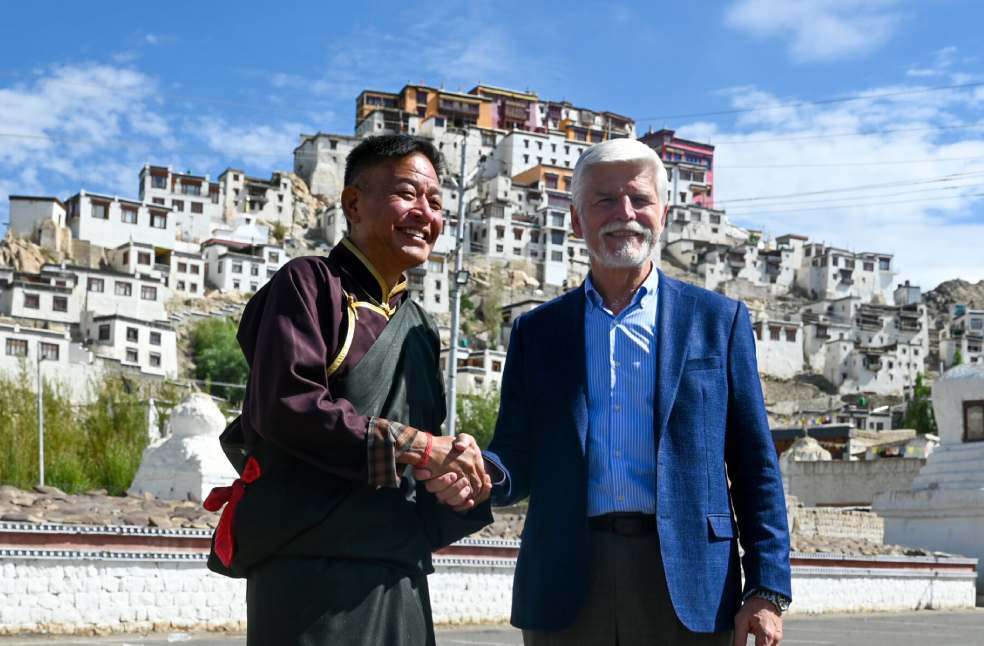
Beijing: China has voiced opposition after Czech President Petr Pavel met with the exiled Tibetan spiritual leader, the Dalai Lama, during his visit to India on July 27.
The Chinese government has urged the Czech Republic to honour its one-China political commitment and avoid actions that could damage bilateral ties.
China’s embassy in Prague issued a strongly worded statement late on July 27, stating that China ‘resolutely opposes any form of contact’ between foreign officials and the Dalai Lama, whom it labels part of a separatist ‘clique.’
The embassy said that such meetings send the wrong signal to Tibetan independence forces and urged the Czech side to take steps to ‘eliminate the bad influence’ of the interaction.
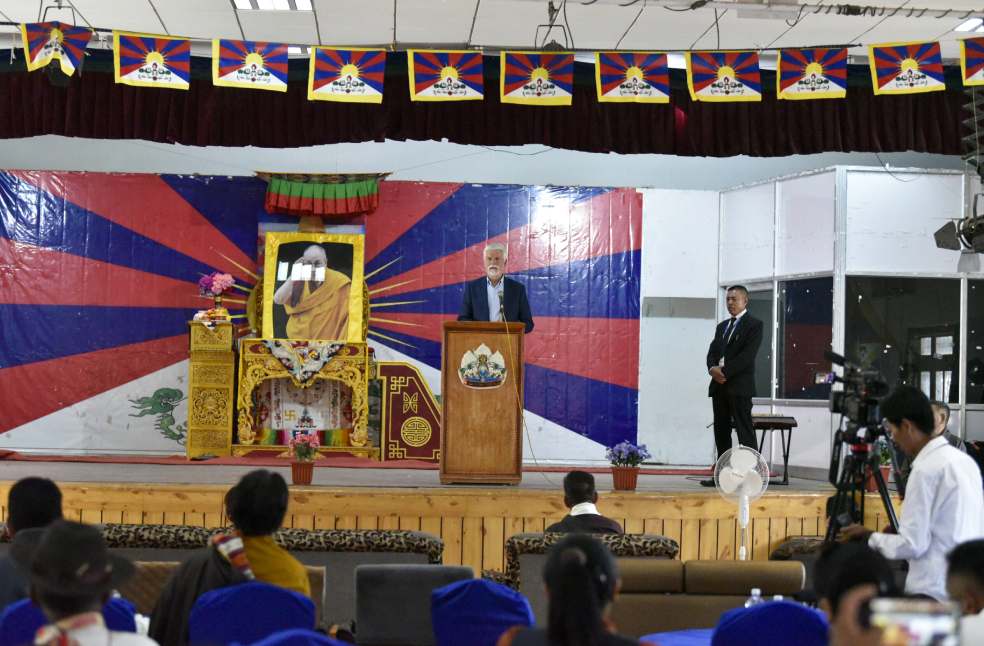
The Tibetan government- in exile
The Dalai Lama has lived in exile in India since 1959 following a failed uprising in Tibet. India currently hosts approximately 70,000 Tibetan exiles and a government-in-exile. Although India does not officially recognise the Tibetan government-in-exile, the Dalai Lama’s continued presence in the country is seen by analysts as a diplomatic tool, particularly in the context of India-China tensions.
Chinese authorities have consistently expressed disapproval over any international engagement with the Dalai Lama, viewing him as a separatist figure rather than a spiritual leader. The embassy’s message reiterated that maintaining diplomatic relations depends on other nations’ respect for China’s sovereignty and internal matters.
China opposes Czech President’s Dalai Lama visit not only for political reasons but also to reinforce its long-standing position on Tibet and territorial integrity. While the Czech government has not released an official response, the meeting may strain relations between Beijing and Prague, particularly amid broader European debates about China policy.
The issue reflects ongoing geopolitical friction as countries navigate between upholding democratic freedoms and engaging with China’s economic and diplomatic interests.
MOST READ | Wildfires rage across Greece as heatwave fuels destruction
