


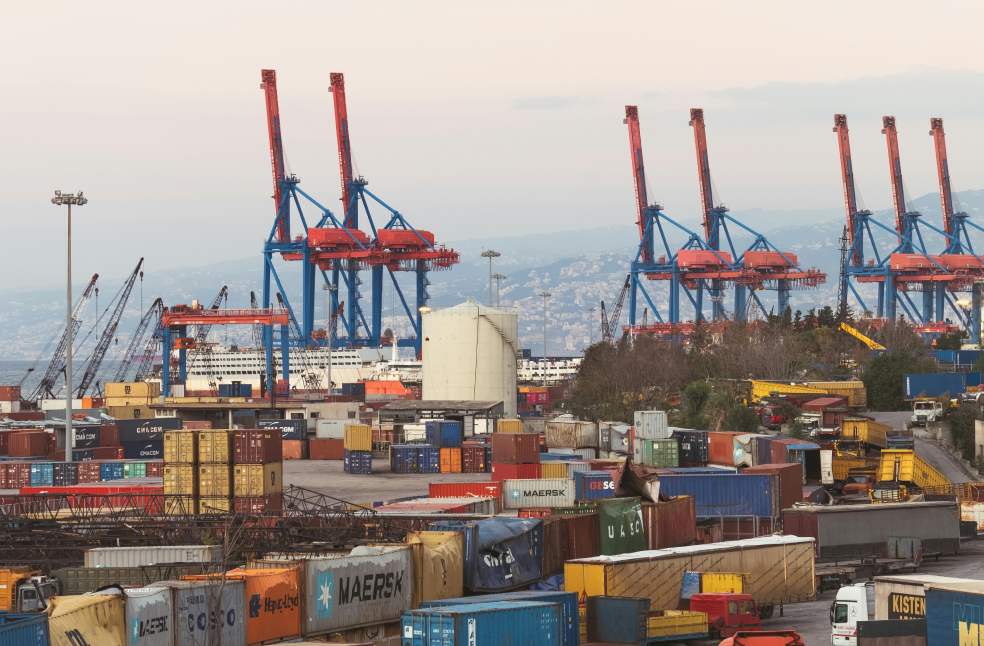
Beijing: China’s exports have recorded a sharp rise in the first two months of the year, highlighting the resilience of the country’s trade sector even as tensions with the United States continue to weigh on global commerce.
Official data released by Chinese authorities showed exports jumped by more than 20 percent in January and February combined, nearly three times higher than economists had predicted. The strong start places China on track to potentially surpass the record-breaking annual trade surplus it achieved in 2025.
The announcement comes ahead of an expected diplomatic meeting in early April between US President Donald Trump and Chinese President Xi Jinping. The talks are expected to address trade relations and broader economic cooperation between the world’s two largest economies.
China’s economy remains heavily dependent on exports as it grapples with several domestic challenges, including weak consumer spending, a shrinking population, and an ongoing property market crisis. To account for seasonal distortions caused by the Lunar New Year holiday, Beijing typically combines trade data for January and February. The holiday shifts dates each year and can significantly affect monthly economic figures.
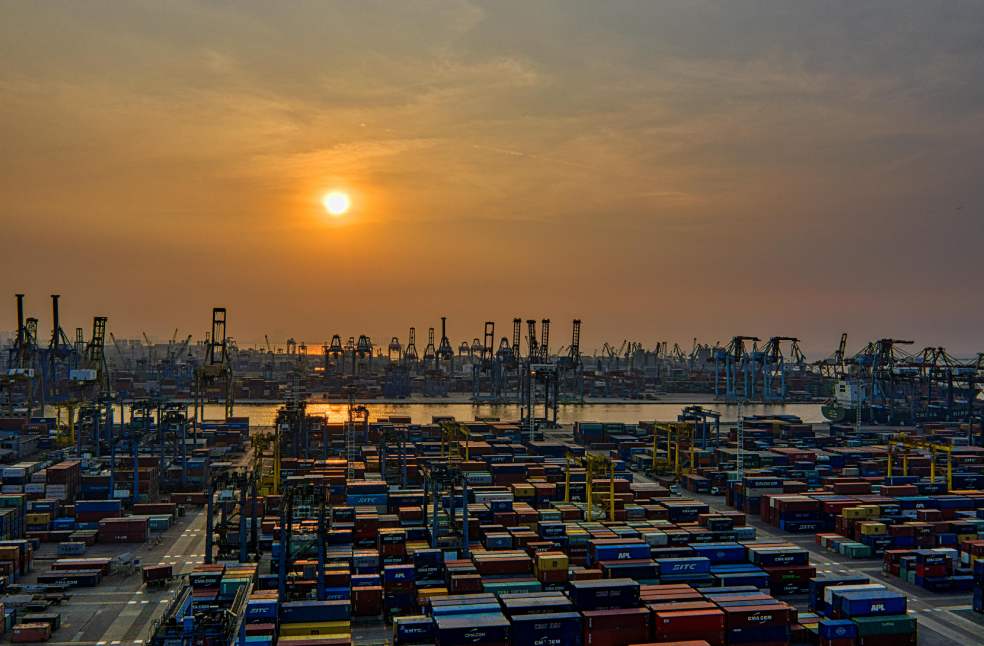
Strong international demand for electronics played a major role in boosting exports during the period. Shipments of agricultural products and manufactured goods also recorded noticeable growth. Trade with European markets expanded significantly, with exports to Europe rising by 27.8 percent. Meanwhile, exports to the Association of Southeast Asian Nations (ASEAN), which includes countries such as Thailand, Singapore and the Philippines, climbed by nearly 30 percent.
However, exports to the United States declined by more than 10 percent following tariffs and trade measures introduced by the Trump administration to reduce trade imbalances between the two nations.
Last week, China announced an annual economic growth target of 4.5 percent to 5 percent for the year, slightly lower than its 5 percent goal in 2025. That target was largely achieved thanks to strong export performance.
Exports have continued to serve as the primary engine of growth for China’s economy, helping offset weak domestic consumption and ongoing instability in the property sector. The upcoming meeting between Trump and Xi also takes place as China along with several Asian economies faces the broader economic consequences of the US-Israeli war with Iran, which has disrupted global energy markets and added new uncertainty to international trade.
MOST READ | Daily multivitamins linked to slight slowdown in ageing process
