


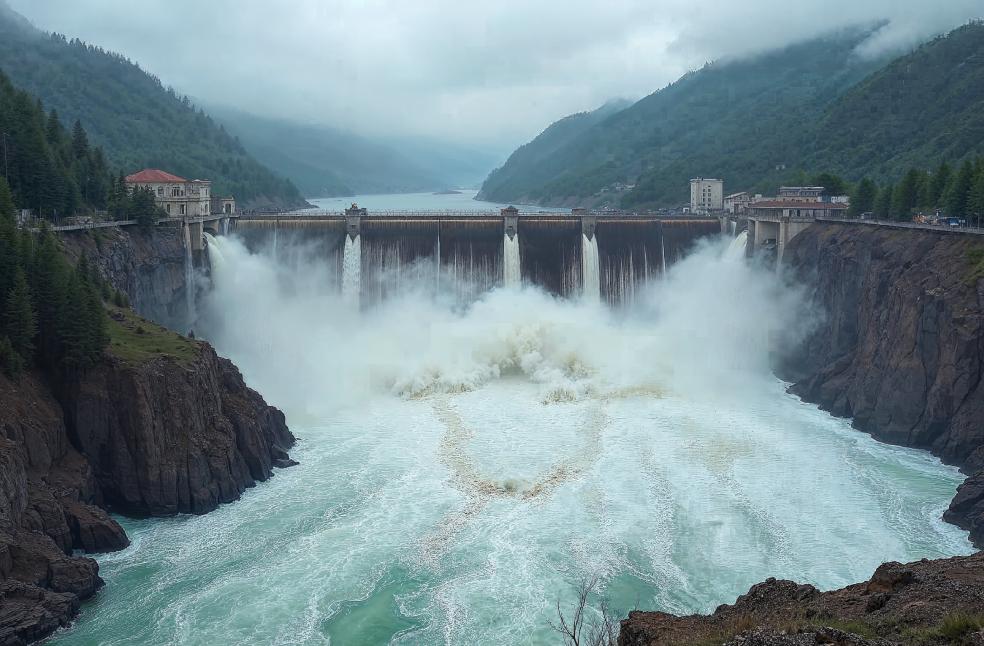
Beijing: China has begun construction of the world’s largest hydroelectric dam on the Yarlung Zangbo River in southeastern Tibet.
Chinese state media confirmed that Premier Li Qiang attended a groundbreaking ceremony for the project in the city of Nyingchi, near the Himalayan foothills. The mega-dam, estimated to cost 1.2 trillion yuan (approximately $167.1 billion), will include five interconnected hydropower stations and is expected to surpass the Three Gorges Dam in energy output once completed.
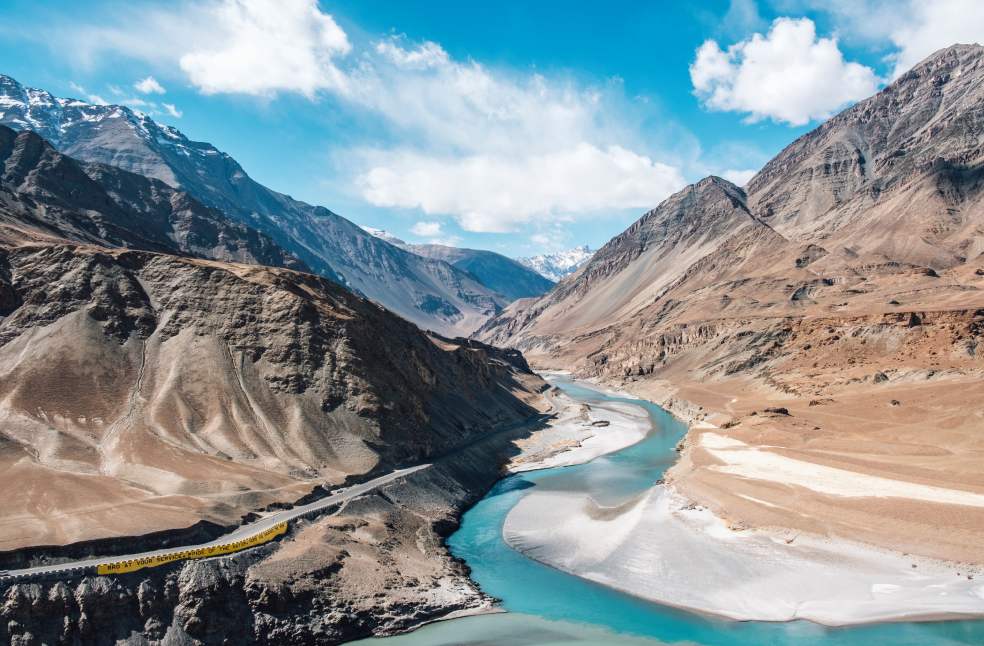
The Yarlung Zangbo River, known as the Brahmaputra in India and the Jamuna in Bangladesh, originates in Tibet and flows through two other densely populated countries downstream. India has raised objections, citing concerns about the dam’s potential environmental and geopolitical impacts.
India’s Ministry of External Affairs stated earlier this year that it has communicated its concerns to China, emphasising the need to protect the interests of downstream states. The ministry stated that, “China has been urged to ensure that the interests of the downstream states of the Brahmaputra are not harmed by activities in upstream areas.”
In response, Beijing has maintained that the project poses no threat. China’s Ministry of Foreign Affairs remarked that, “There will be no negative impact downstream.”
The massive hydropower venture is part of China’s broader strategy to meet its ambitious carbon neutrality goals while accelerating development in Tibet, a region it annexed in 1950. The electricity generated by the new dam will be used both locally and in other parts of China.
Environmentalists and Tibetan advocacy groups have expressed concern over the project’s implications for the fragile ecosystem of the Tibetan Plateau, often referred to as the ‘Third Pole’ for its vast glacial reserves. The region supplies fresh water to over 1.3 billion people across 10 countries, according to Yale’s E360 environmental publication.
Once operational, the dam could generate nearly three times the power output of the Three Gorges Dam, which itself was the world’s largest hydroelectric project when completed in 2003, but also displaced 1.4 million people. While Tibet remains sparsely populated in comparison, earlier hydropower developments in the region have still led to localised displacement, including around 2,000 people during the construction of the Yagen Hydropower Station in 2015.
The new site is located just 30 kilometres from China’s disputed border with India, adding further strategic and security dimensions to a project already steeped in geopolitical sensitivities.
MOST READ | Massive ice calving at Perito Moreno Glacier sparks concern
