


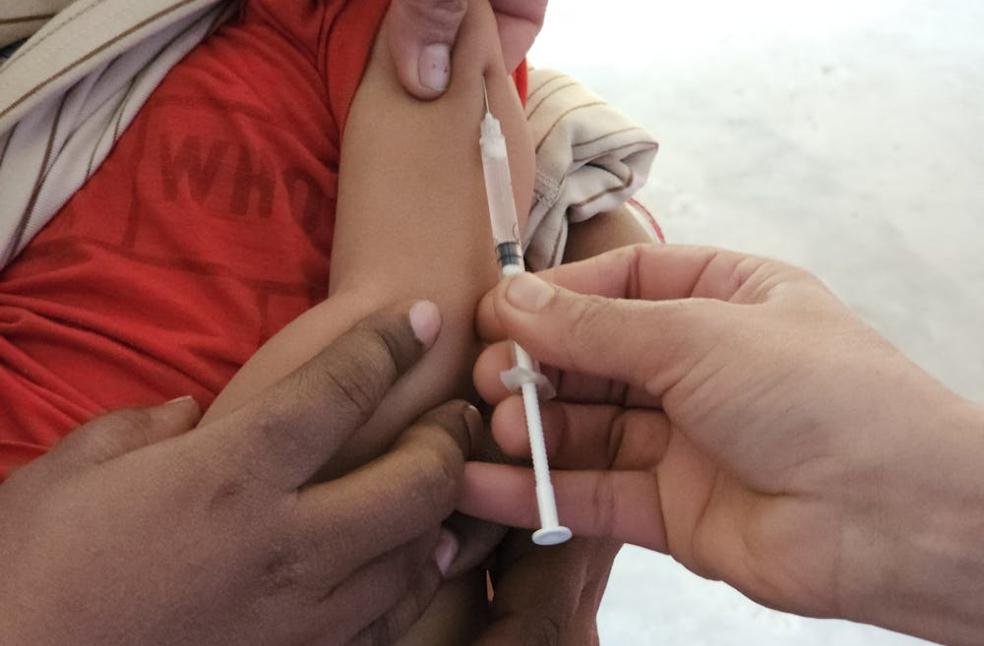
London: According to a new study published in The Lancet, global immunization rates have stagnated since 2010 and, in some countries, even declined. Childhood vaccine coverage has faltered worldwide, leaving millions of children vulnerable to preventable diseases such as measles, polio and tuberculosis.
Researchers said that, despite major gains since the launch of the global program in 1974, which has vaccinated over four billion children and prevented an estimated 150 million deaths, recent years have shown a worrying reversal in progress.
By 2023, nearly 16 million children had not received any childhood vaccinations, with the majority of these cases concentrated in sub-Saharan Africa and South Asia. The Covid-19 pandemic has severely disrupted vaccine programs, leading to delays and cancellations during lockdowns.
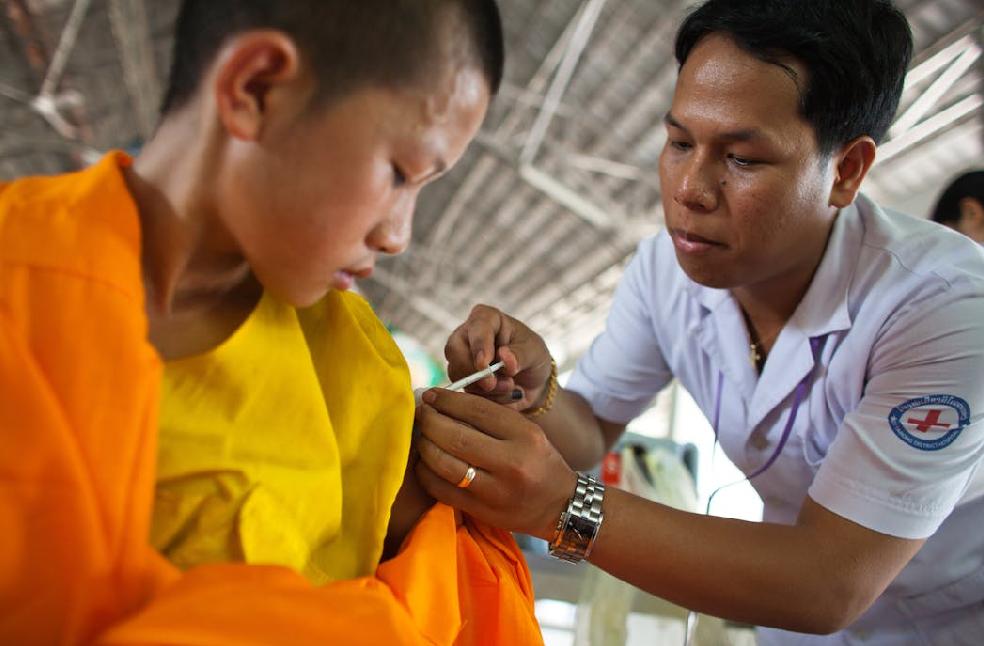
Dr. Jonathan Mosser, from the Institute for Health Metrics and Evaluation at the University of Washington, said that, routine childhood vaccinations are among the most powerful and cost-effective public health interventions available. He added that, persistent global inequalities, pandemic-related disruptions, and rising vaccine misinformation have all contributed to slowing immunization efforts.
The researchers noted that measles vaccinations alone have declined in nearly 100 countries.
Professor Sir Andrew Pollard, Director of the Oxford Vaccine Group, said that, more children will be hospitalized, permanently damaged and die from fully preventable diseases if the trend is not reversed.
Experts stressed that falling vaccination rates in wealthy nations such as the US and the UK, combined with cuts in foreign aid and vaccine hesitancy, are further fueling the crisis. The study calls for countries to strengthen primary healthcare systems, improve access to vaccines, and tackle misinformation to restore global coverage. Improving childhood vaccine coverage remains critical to protecting global public health.
MOST READ | US strikes on Iran set nuclear program back by months: DIA
