


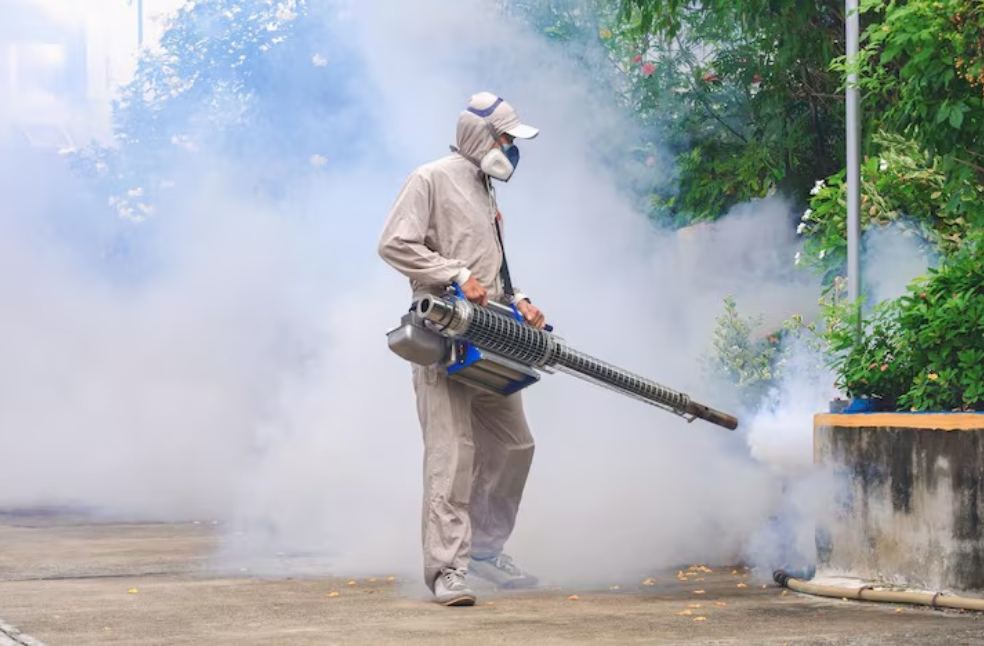
China: Public concern is rising in China over the ongoing China Chikungunya virus outbreak, as citizens and rights groups have expressed alarm that containment efforts may be infringing on civil liberties.
The virus, which is non-fatal and mosquito-borne, has triggered aggressive health surveillance measures in Guangdong province, where over 8,000 cases have been reported since the outbreak began about a month ago in Foshan.
One widely discussed case involves a mother in Zhanjiang whose children had blood samples taken by health officials while the parent was away working a night shift. A local pharmacy had reported the son for presenting with a fever, prompting authorities to act without parental consent.
The incident was captured in a video and shared online, triggering widespread outrage. A hashtag related to the case has garnered nearly 90 million views on Weibo.
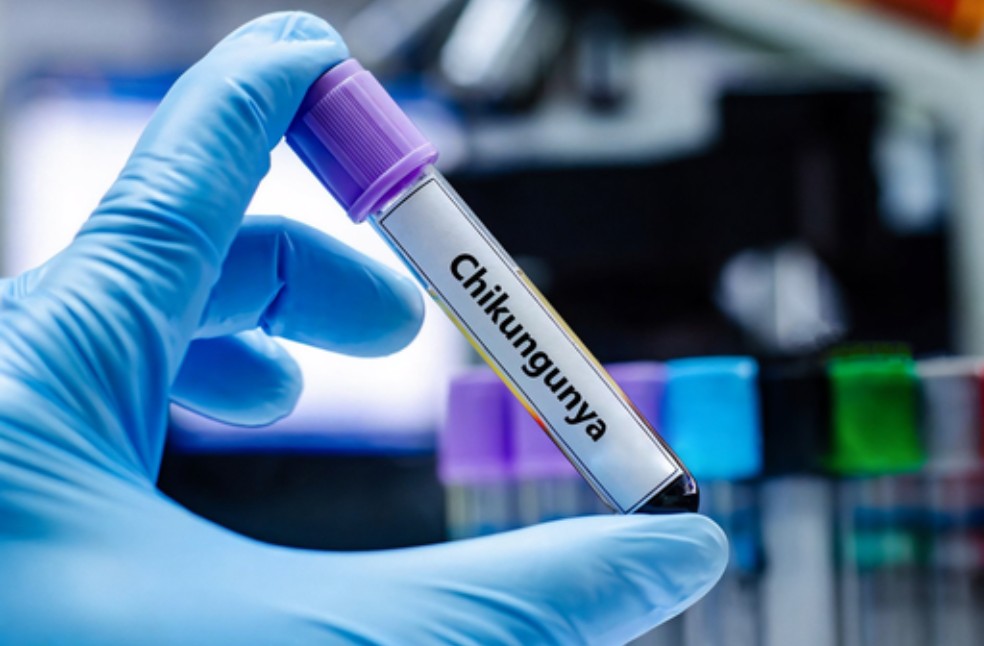
The China Chikungunya virus outbreak is the first large-scale occurrence of the disease in the country, despite it being common in parts of Asia, Africa, and the Americas. Although symptoms, fever, joint pain, nausea, rash, can be prolonged, the virus is rarely fatal. Vulnerable groups include babies, the elderly, and individuals with pre-existing conditions.
In response to the outbreak, officials in Guangdong have intensified mosquito control campaigns, including clearing stagnant water, encouraging repellent use, and using mosquito nets. However, concerns are growing as authorities have also reactivated pandemic-era tracking strategies, such as mandatory reporting by pharmacies of certain fever medications, raising fears of surveillance overreach.
Governor Wang Weizhong has pledged to ‘win the battle’ against the outbreak, urging full public mobilisation. Nevertheless, the aggressive measures are drawing comparisons to China’s stringent Covid-19 protocols, and critics argue that the line between public health and personal privacy is becoming increasingly blurred.
Following public backlash, local health authorities have launched an investigation into the Zhanjiang chikungunya incident. Meanwhile, Hong Kong has reported at least one imported chikungunya case, keeping regional authorities on high alert.
RELATED POST | China battles Chikungunya outbreak; Cases surge past 7,000
