


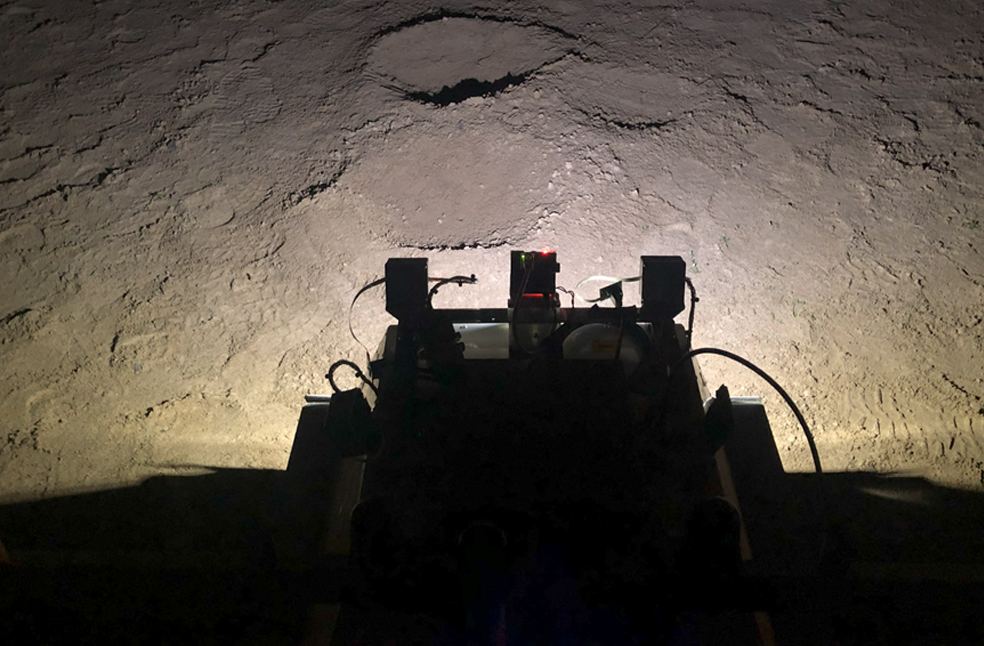
Toronto: Canada is preparing for its first journey to the Moon. About an hour outside Toronto, Canadensys Aerospace is developing the country’s first Canadian-built lunar rover, marking Canada’s inaugural planetary exploration mission.
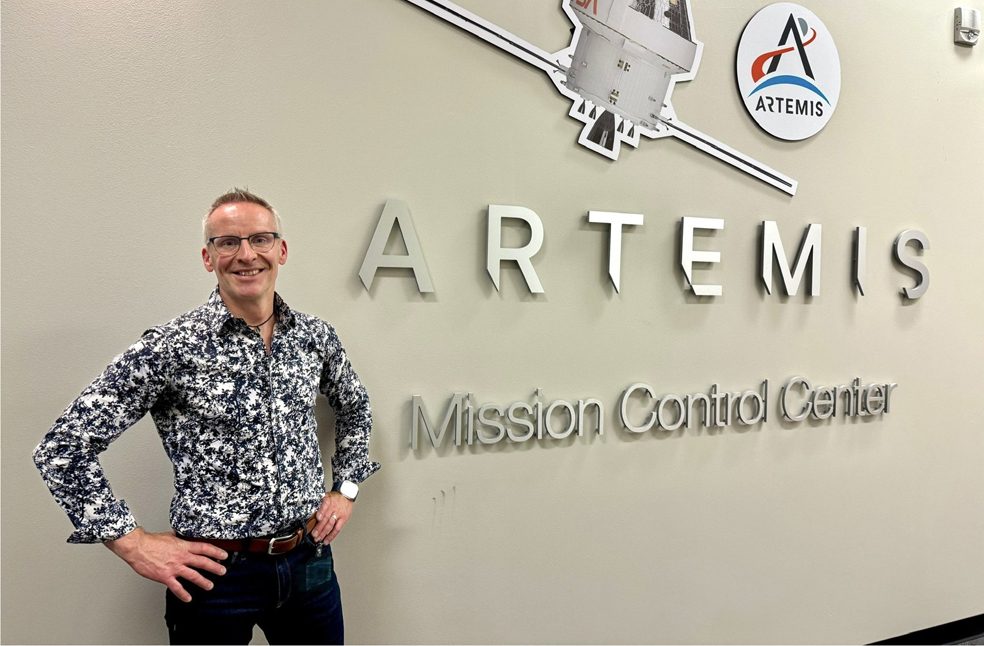
Inside the facility, maps, models, and posters of outer space line the walls, while engineers in anti-static coats assemble unusual prototypes. For Dr. Christian Sallaberger, Canadensys’ President and CEO, the rover represents a bigger vision: helping ‘move humanity off the Earth.’
The CEO describes the Moon as the ‘logical first step,’ noting its potential as a base for wider exploration. “People get all excited about Star Wars or Star Trek, this is the real thing,” Sallaberger said.
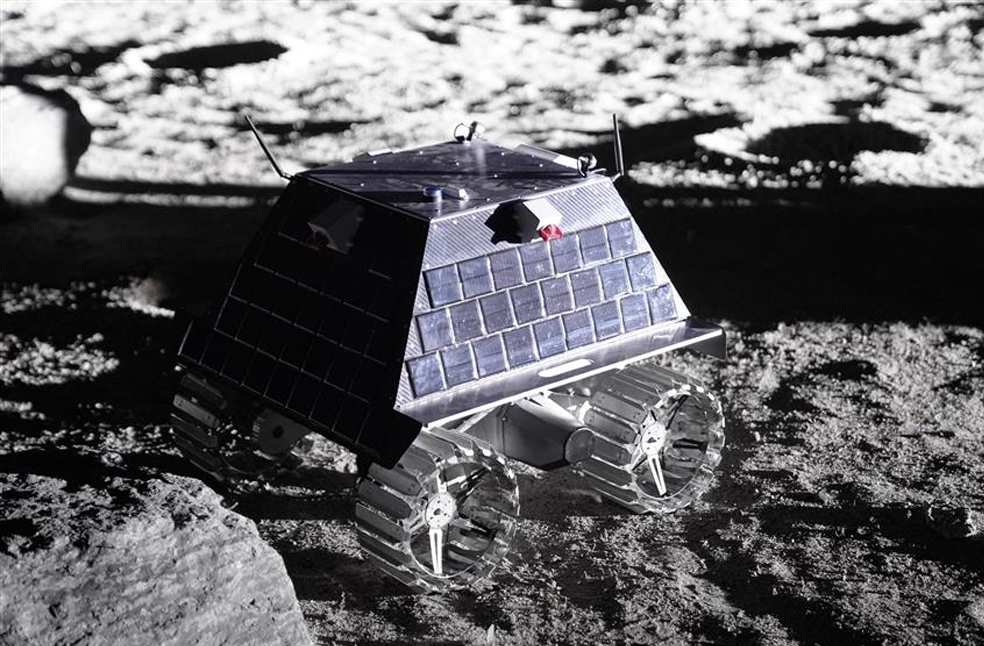
The Canadian rover, weighing 35kg, is part of NASA’s Artemis programme, which aims to establish a lasting human presence on the Moon. Scheduled for launch in 2029 at the earliest, the vehicle will attempt to land in the Moon’s south polar region, considered one of the harshest areas on the lunar surface.
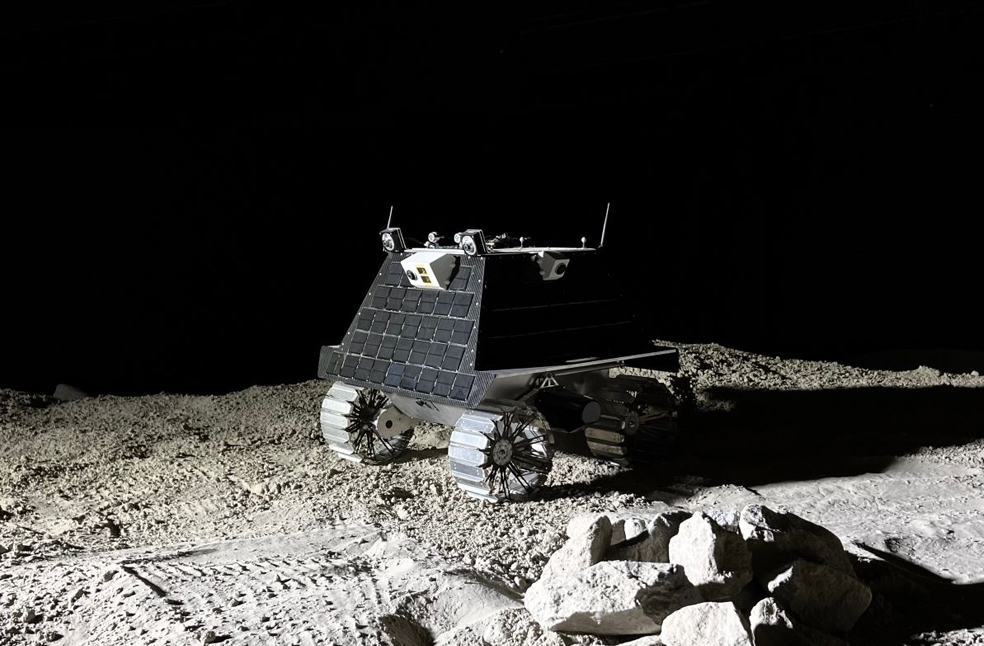
Its mission is to locate water, measure radiation levels, and prove its ability to survive several lunar nights, each lasting about 14 Earth days. The rover does not yet have a name, though the Canadian Space Agency (CSA) has run an online competition, with the winner to be revealed in the future.
Canadensys and Canada’s Space history
This project builds on Canada’s long history in space. The country was the third in the world to launch a satellite, designed the Canadarm robotic arms used on the Space Shuttle and International Space Station, and has produced prominent astronauts like Chris Hadfield and Jeremy Hansen, the latter set to orbit the Moon on Artemis II next year.
Canadensys itself, founded in 2013, has delivered instruments for NASA, the CSA, and commercial clients. More than 20 of its technologies have flown on lunar missions. The rover contract, worth C$4.7m ($3.4m; £2.5m), was awarded in 2022, following decades of Canadian ambitions for a lunar vehicle that date back to the early 2000s.
At the Canadensys labs, engineers are testing multiple prototypes. Sallaberger explained that the final rover will be assembled just before launch, with every part trialed to withstand the Moon’s brutal environment. The largest challenge is temperature. Lunar nights can plunge to -200°C (-328°F), before soaring to 100°C (212°F) during the day.
The rover must not only survive the cold but also endure extreme thermal swings. Designing the wheels poses another hurdle: the Moon’s surface is coated in jagged dust called regolith, unlike Earth’s rounded soil grains. Sallaberger calls it ‘Velcro dirt,’ as it gums up machinery and clings to moving parts.
Moon: A refueling station
The science team is equally motivated by the search for water. Dr. Gordon Osinski, the mission’s Chief Scientist and a lunar geology expert at Western University, explained that Apollo-era missions had suggested the Moon was bone dry. That view shifted in 2008 when re-examined Apollo samples showed signs of water, and orbiting spacecraft confirmed its presence. Still, the exact form remains uncertain.
“Is it a patch of ice the size of this table? The size of a hockey rink? Or tiny grains mixed into the soil?” Osinski said. If confirmed, lunar water could revolutionize exploration: supporting astronauts, reducing the heavy burden of transporting water, and even providing hydrogen fuel by splitting water molecules. Dr. Osinski imagines a future where the Moon becomes a refueling station for deep-space missions.
The journey, however, will not be without risk. Even reaching the Moon remains a formidable challenge. Earlier this year, a lander from Intuitive Machines, a US commercial firm, tipped over on its side during landing. In another attempt, Japanese company iSpace’s Resilience lost contact with Earth mid-descent and failed.
Sallaberger is realistic, “That’s the nature of the business we’re in. Things do go wrong, and we try to do the best we can to mitigate that.”
Canadensys’ work has already been recognized in space exploration circles. A camera it built captured a striking image of Earth from space aboard the Intuitive Machines lander, which was later awarded Best Space Exploration Image of 2024 by the Planetary Society.
Artemis programme
The Artemis programme is also reshaping the geopolitics of space. While the International Space Station fostered collaboration between rivals like the US and Russia, questions now swirl over ownership of lunar resources.
In 2021, the US even passed a law to protect Apollo landing sites amid concerns over potential interference from other nations. Still, the Artemis Accords, signed by more than 50 countries, promote sustainable and peaceful exploration. Among signatories are smaller nations like Uruguay, Estonia, and Rwanda, demonstrating widening international participation.
Meanwhile, private companies like SpaceX and Blue Origin have democratized access to space, sending celebrities such as Jeff Bezos and Katy Perry on brief suborbital trips.
Yet for space agencies and scientists, the Moon remains the ultimate prize, a gateway to long-term exploration. Canadensys is already exploring ideas such as lunar greenhouses for food production, though those remain years away. For now, the rover is the essential first step.
“If you design something that can survive long-term on the lunar surface, you’re pretty much bulletproof anywhere else in the solar system,” Sallaberger remarked, reflecting on the mission’s wider significance.
ALSO READ | South Australia to ban fish-shaped soy sauce dispensers
