


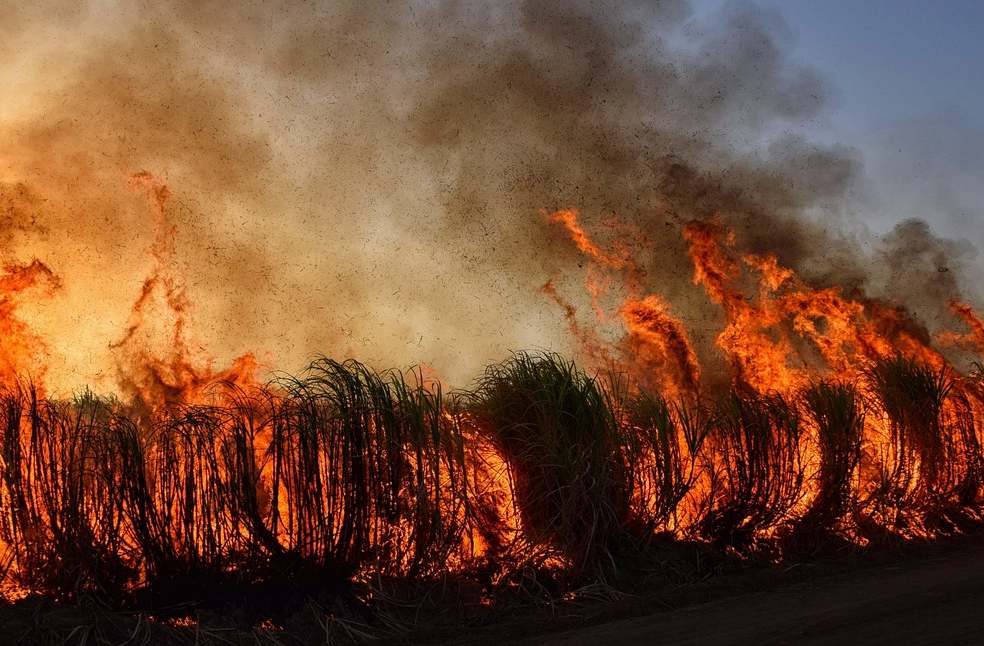
Manitoba: Canada wildfire risk has expanded well beyond its traditional western provinces, as the country faces its second-worst burn on record.
Road closures, evacuations, and stretched firefighting resources have become widespread across Canada, with Saskatchewan and Manitoba wildfires now responsible for over 60 percent of total burned areas. This year’s most destructive Canada wildfire activity has unusually impacted prairie provinces and Atlantic regions – areas not historically prone to major fire destruction.
Newfoundland and Labrador have struggled to control out-of-control fires, prompting Premier John Hogan to temporarily ban off-road vehicles in forested areas. Nova Scotia has also prohibited hiking, camping and fishing in woodlands after a 15-hectare blaze erupted near Halifax, with Premier Tim Houston saying that conditions remain dangerously dry.
Fires have even spread into Ontario’s Kawartha Lakes region, less than 161 kilometres north of Toronto, underscoring that the wildfire threat is no longer limited to the west. Experts have said that the shift demonstrates how climate change has altered fire patterns across the country, creating risks where none previously existed.
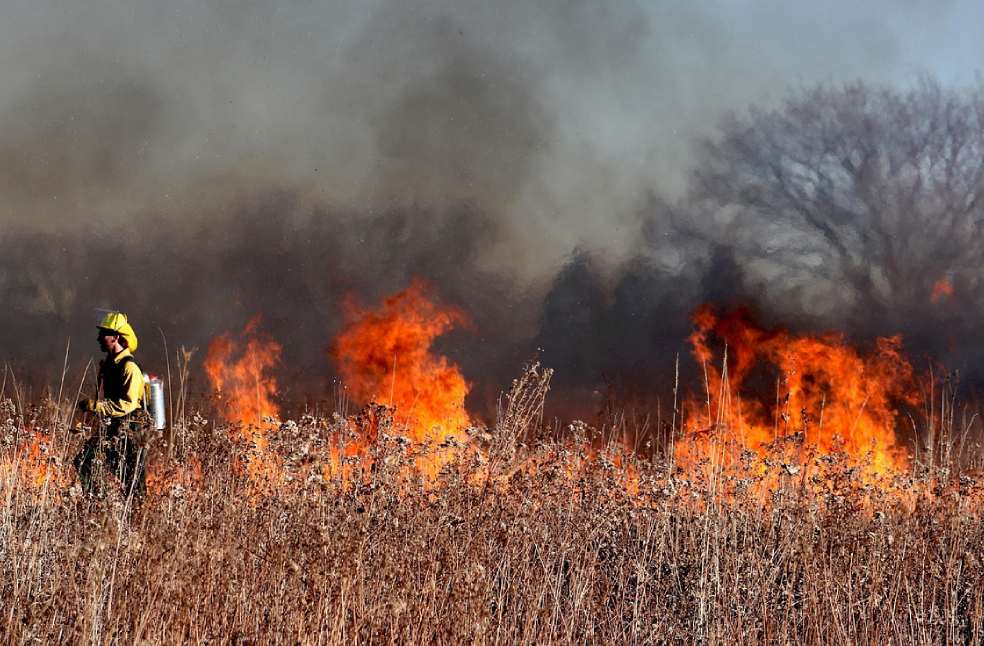
Paul Kovacs, executive director of the Institute for Catastrophic Loss Reduction at Western University, stated that more homes have been destroyed this year than in 2023. Kovacs added that while residents of British Columbia and Alberta have yet to fully protect their properties, the entire nation must recognise that fast-moving blazes can strike anywhere.
So far in 2025, nearly 7.5 million hectares of land have burned, far surpassing the 10-year national average. According to researchers, there is no single solution to reducing fire risk. While British Columbia and Alberta remain heavily affected, provinces such as Saskatchewan, Manitoba and Nova Scotia have now faced similar challenges due to prolonged drought and higher temperatures.
The federal government has launched multimillion-dollar funding initiatives to study Canada wildfire risks and adaptation strategies. Baron emphasized that addressing the growing crisis requires examining forestry practices, urban expansion into wilderness areas, and recognizing Indigenous stewardship’s vital role in forest management.
Experts agree that wildfires remain a natural ecological process, but their scale and intensity have become increasingly difficult to manage. With warming temperatures and drier conditions, Canada wildfire risk is now a permanent national challenge that demands preparation and resilience.
POPULAR | Deadlock in global plastic talks over production curbs
