


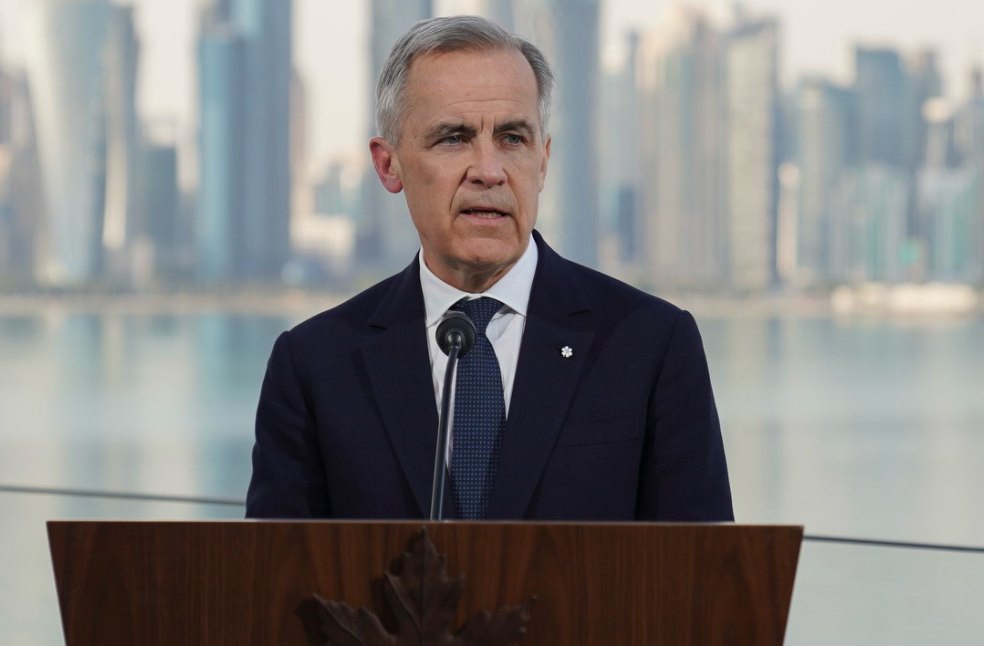
Ottawa: Prime Minister Mark Carney has unveiled a new strategy aimed at strengthening Canada’s auto industry and accelerating its transition to electric vehicles, as the sector grapples with the impact of steep US tariffs.
The measures are part of Canada’s broader effort to reduce its dependence on the United States with President Donald Trump’s push to reshore car manufacturing and impose higher trade barriers. Carney’s plan includes fresh financial incentives for automakers to invest and manufacture vehicles in Canada, alongside the reintroduction of purchase rebates for electric vehicles.
The announcement comes as Canada’s auto sector faces mounting pressure following the imposition of a 25 percent US tariff on Canadian-made cars and auto parts last year. The levies dealt a significant blow to the industry, particularly as nearly 90 percent of vehicles produced in Canada are exported to the United States.
Many US-based carmakers, including General Motors and Stellantis, operate production facilities in Canada under long-standing free trade arrangements, with supply chains deeply integrated across the border.
Speaking at an automotive plant in Toronto, Carney said the upcoming review of the United States-Canada-Mexico Agreement (USMCA) underscored the need for Canada to prepare for shifting trade dynamics. He noted that the agreement’s original goal of tariff-free trade across North America no longer aligned with Washington’s current approach.
Since Trump’s return to the White House, thousands of Canadian auto workers have lost their jobs as major manufacturers scaled back domestic production in response to the tariffs. Among the initiatives announced is a new tariff credit scheme that would offer relief to carmakers such as General Motors and Toyota, which continue to produce vehicles in Canada, helping to offset the added costs imposed by US trade measures.
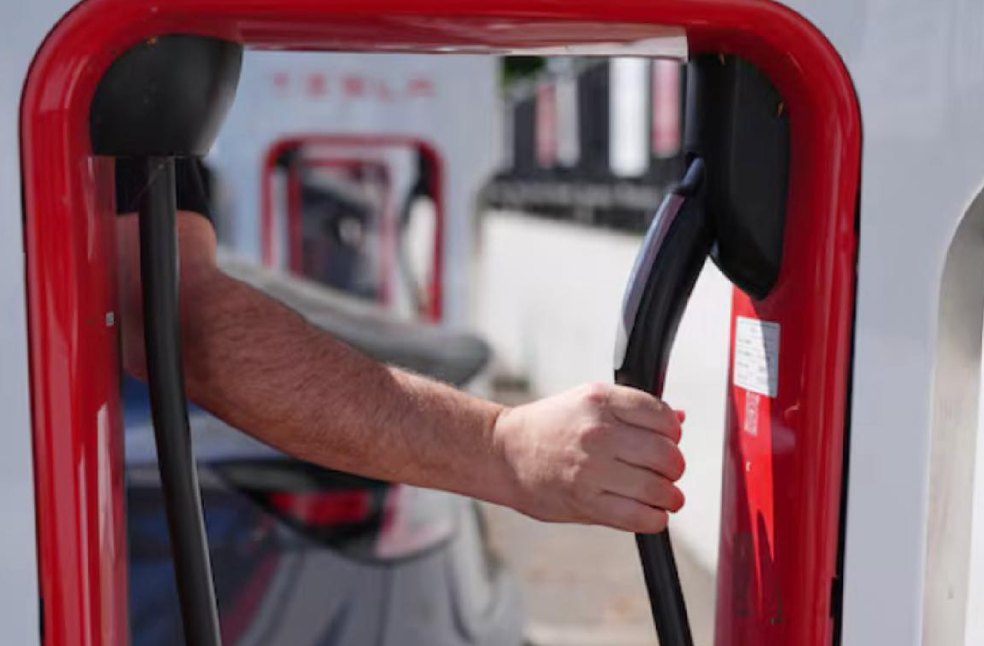
Canadian officials have also sought to diversify trade relationships in recent weeks to bolster the auto sector and reduce exposure to the US market. Last month, Canada reached an agreement with China to ease tariffs on Chinese electric vehicles that had been imposed in parallel with the US in 2024. Ottawa has also unveiled a deal with South Korea aimed at encouraging Korean automakers to expand manufacturing in Canada.
Both agreements could intensify competition for US carmakers operating in the Canadian market. Carney also confirmed the return of federal EV purchase incentives, diverging sharply from US policy. The Trump administration last year ended subsidies that had helped lower the cost of certain electric, plug-in hybrid and fuel cell vehicles.
In addition, Canada will introduce stricter emissions standards for new vehicles, with a target of electric vehicles accounting for 90 percent of all car sales by 2040. However, Carney announced the scrapping of an electric vehicle sales mandate introduced by former Prime Minister Justin Trudeau in 2023. The mandate had faced strong opposition from automakers, who argued it imposed high costs on the industry.
Shifting to tougher emissions standards, Carney said, would deliver environmental outcomes while easing pressure on manufacturers. Environmental groups, however, were quick to criticise the move away from Trudeau’s EV sales mandate, warning that it could slow Canada’s progress toward climate targets.
POPULAR | Panama rejects China’s heavy price warning after canal port ruling
