


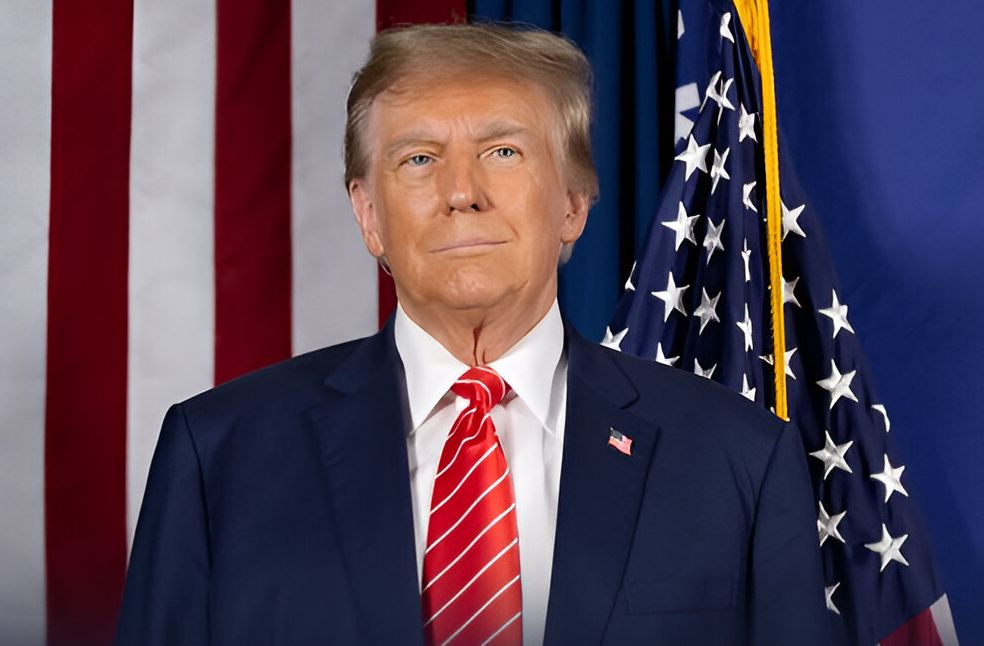
Ottawa: Canada has scrapped its proposed Digital Services Tax (DST) following direct pressure from US President Donald Trump, prompting the resumption of trade negotiations between the two North American allies.
White House Press Secretary Karoline Leavitt confirmed that Canadian Prime Minister Mark Carney had called President Trump to say he would abandon the tax, which would have targeted large American tech companies including Amazon, Google, Meta and Apple.
Leavitt stated that, “President Trump knows how to negotiate. He is governing the best country and the best economy in this world. Every country on the planet needs to have a good relationship with the US.” She called Canada’s reversal a big victory for our tech companies and our workers here at home. The move was projected to generate $4.33 billion (C$5.9 billion) over five years.
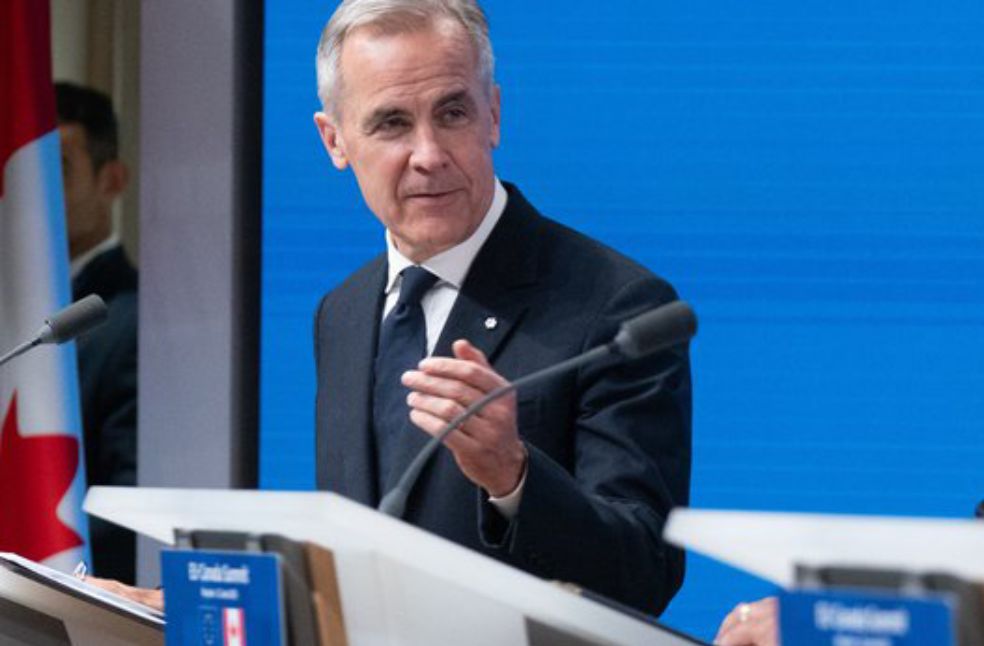
Labelled a ‘blatant attack’ by Trump, the tax had led the US to halt trade talks and threaten higher tariffs, particularly in the softwood lumber sector. Canada responded by announcing it would pause DST collections, which were due to begin, and introduce legislation to repeal the measure.
Speaking in Ottawa, Prime Minister Carney described the decision as part of a ‘bigger negotiation’ and signalled a willingness to re-engage in constructive trade discussions with Washington. Carney remarked that, “This is something we expected, in the broader sense, that would be part of a broader deal.”
US economic adviser Kevin Hassett confirmed that trade negotiations between the two nations had resumed. Canadian Finance Minister François-Philippe Champagne reiterated the country’s long-standing preference for a multilateral solution to taxing digital giants.
François-Philippe stated that, “The DST was announced in 2020 to address the fact that many large technology companies operating in Canada may not otherwise pay tax on revenues generated from Canadians.”
However, the decision to withdraw the tax has drawn domestic criticism. Conservative Party leader Pierre Poilievre slammed the move, saying Carney had ‘put his elbows down’ in contrast to the ‘elbows up’ stance promised during the election campaign.
In a post on X, Poilievre called on the prime minister to leverage the talks to demand the removal of US tariffs on Canadian softwood lumber. Meanwhile, US Commerce Secretary Howard Lutnick thanked Canada, calling the tax ‘a deal-breaker for any trade deal with America’ and accusing it of being designed to stifle American innovation.
The tax’s withdrawal comes as several other nations, including the UK and France move ahead with their versions of digital services taxes, aimed at addressing the gap in how multinational tech firms are taxed compared to domestic companies.
TRENDING | Dalai Lama to address succession plans ahead of 90th birthday
