


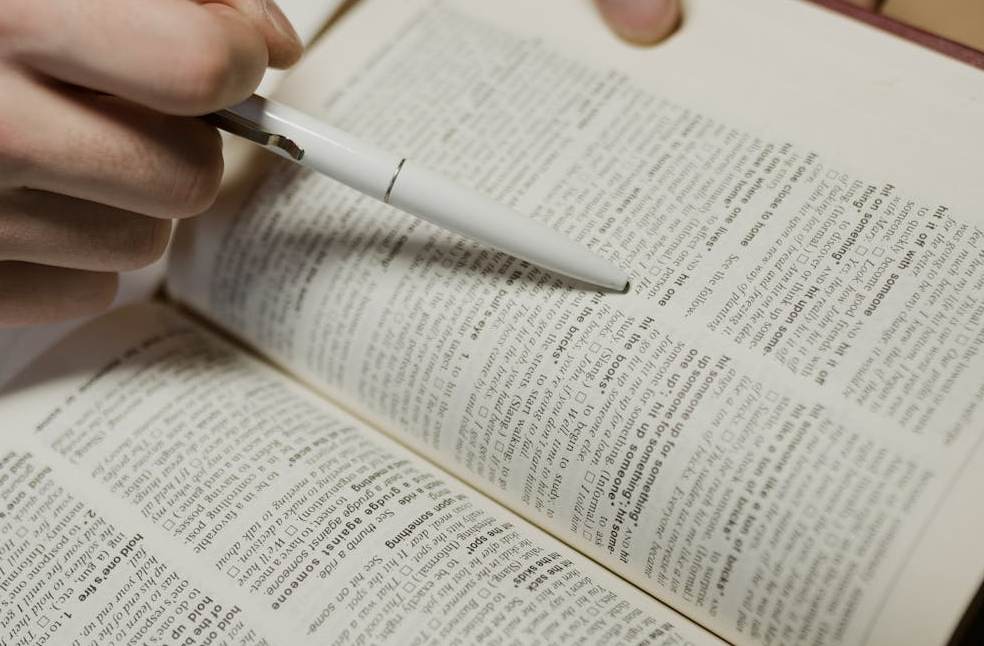
London: Cambridge Dictionary has expanded its collection with more than 6,000 new entries this year, showcasing how language continues to evolve under the influence of online culture, technology, and social change.
The Cambridge Dictionary has officially included viral slang terms like ‘skibidi’ and ‘tradwife’, reflecting their widespread social media adoption. ‘Skibidi’ – now defined as a versatile expression meaning ‘cool’, ‘bad’ or functioning as humorous nonsense – originated from a viral YouTube series. Celebrity usage, like Kim Kardashian’s ‘skibidi toilet’ reference, cemented its cultural relevance before this dictionary recognition.
The word tradwife is a shortening of ‘traditional wife’ and refers to married women who embrace domestic roles such as cooking and cleaning, often sharing their lifestyle on social media. This addition reflects how social dynamics and lifestyle choices are increasingly embedded in the language.
Other newly added slang includes delulu, short for ‘delusional’, which describes believing things that are not true, typically due to wishful thinking. This term, widely circulated online, demonstrates how shortened and playful word forms are entering mainstream vocabulary.
Beyond slang, the dictionary update also captures the impact of remote work culture. The phrase mouse jiggler now appears, describing a device or software that keeps a computer active to create the impression of productivity when someone is away from their desk.
The Cambridge Dictionary has also recognised composite words like ‘broligarchy’, a blend of ‘bro’ and ‘oligarchy’ describing wealthy tech elites. This newly added term has been applied to figures like Jeff Bezos, Elon Musk, and Mark Zuckerberg, particularly in business-political contexts.
Colin McIntosh, lexical programme manager, has stated that internet culture is reshaping the English language in ways that are fascinating to track. The additions reflect not only how people communicate online but also how digital environments influence everyday language.
With its latest expansion, Cambridge Dictionary has shown how modern English continues to adapt rapidly to changes in technology, social interaction, and global culture.
POPULAR | Canada wildfire risk expands beyond western provinces
