


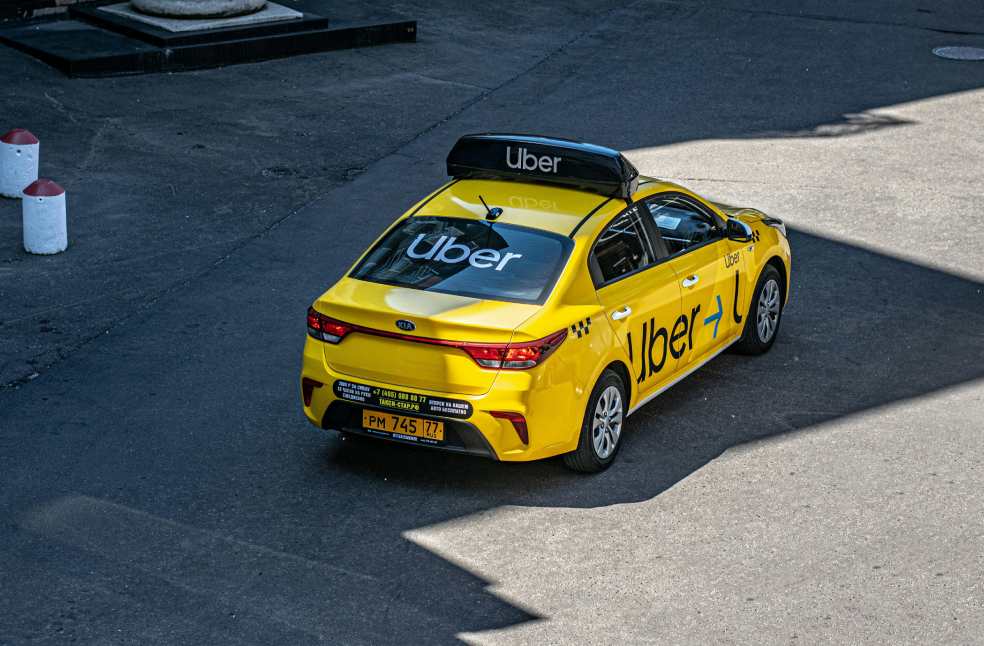
California: More than 800,000 ride-hailing drivers in California will soon be able to join a union and negotiate for higher wages and improved benefits under a new measure signed by Governor Gavin Newsom.
Supporters say the legislation marks the largest development of private-sector collective bargaining rights in California’s history, ending years of conflict between labour unions and tech companies.
California becomes the second state where Uber and Lyft drivers can unionise as independent contractors, following Massachusetts, where voters approved a similar measure in November. Drivers in Illinois and Minnesota are also pushing for comparable rights.
Governor Newsom emphasised the state’s approach in contrast to the federal government, stating that, “In California, we’re doing the opposite: proving government can deliver – giving drivers the power to unionise while we continue our work to lower costs for families.”
The law is part of a broader September agreement between Newsom, state lawmakers, the Service Employees International Union (SEIU), and rideshare companies Uber and Lyft. In return, Newsom is predicted to sign legislation supported by Uber and Lyft to significantly reduce the companies’ insurance requirements for accidents involving underinsured drivers. Lyft CEO David Risher said the new rates could save the company $200 million and potentially lower fares.
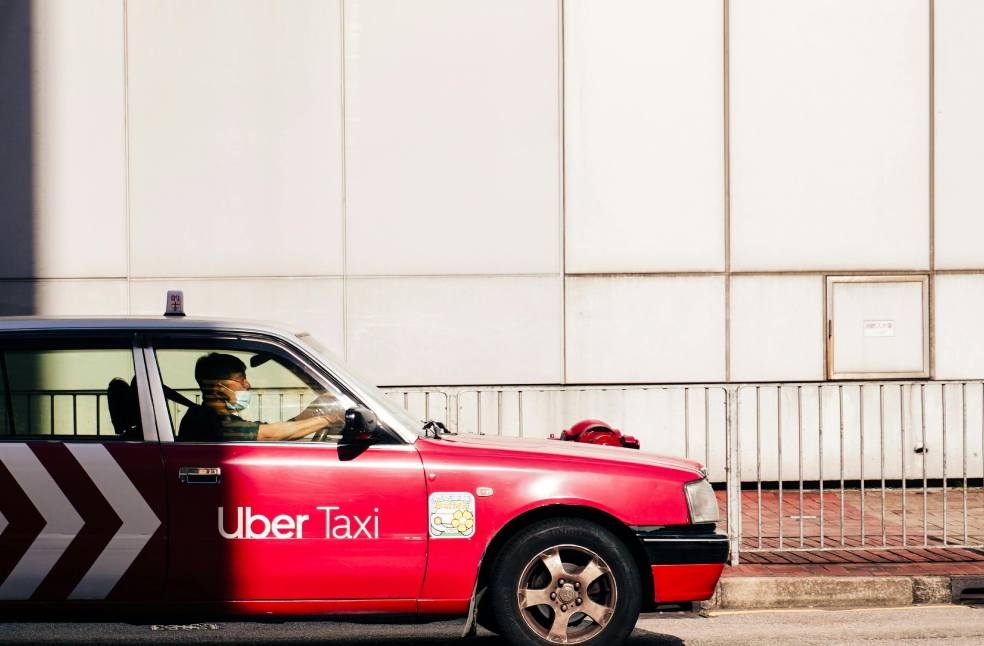
Uber and Lyft have long cited California’s insurance requirements as a factor behind higher fares, noting that nearly one-third of each ride fare in the state goes toward mandated coverage.
Labour and tech disputes over drivers’ rights have spanned years. In July 2024, the California Supreme Court ruled that app-based ride-hailing services can classify drivers as independent contractors, exempting them from benefits like overtime, sick leave, and unemployment insurance. Previous efforts to grant full employee benefits through a 2019 law were overturned by voters in 2020 with Proposition 22. Uber and Lyft spent over $200 million campaigning to maintain the independent contractor status.
The new collective bargaining law allows drivers to unionise while remaining independent contractors. It requires companies to negotiate in good faith on issues including driver deactivations, paid leave, and earnings. The law, however, does not apply to delivery app drivers such as those working for DoorDash.
SEIU California Executive Director Tia Orr hailed the law, stating that, “When workers are empowered and valued, everyone wins. Shared prosperity starts with unions for all workers.”
The accompanying insurance measure reduces coverage requirements for accidents caused by uninsured or underinsured drivers from $1 million to $60,000 per individual and $300,000 per accident. Uber California public policy head Ramona Prieto called the two measures a ‘compromise that lowers costs for riders while creating stronger voices for drivers.’
Meanwhile, Uber and Lyft continue negotiating settlements with California and the cities of San Francisco, Los Angeles, and San Diego over allegations of withheld wages before Proposition 22 took effect.
Some advocacy groups, including Rideshare Drivers United, argue the collective bargaining law does not go far enough. They are calling for mandatory reporting of driver pay data to the state to ensure wage improvements, noting that similar measures in New York City have led to higher earnings for drivers.
Nicole Moore, president of Rideshare Drivers United, stated that, “Drivers really need the backing of the state to ensure that not only is a wage proposal actually going to help drivers, but that there is progress in drivers’ pay over the years.”
MOST READ | Munich Airport cancels flights after drones spotted in airspace
