



Seoul: K-pop megastars BTS went on hiatus in 2022 so that all seven members could complete South Korea’s mandatory military service.
After almost four years away, the world’s biggest boy band is preparing for a major comeback, with a new album and a large-scale world tour set to be announced. The group reformed last summer and is now gearing up to reveal details of their return, a moment fans, known collectively as ARMY, have been anticipating since it was first teased months ago.
BTS’s previous tour, Permission to Dance on Stage, ran for 12 dates between 2021 and 2022. When details of the upcoming tour are released, it is expected to be far more extensive.
The Wembley performances in 2018 were the last opportunity for UK fans to see BTS live, as several dates on the group’s subsequent tour were cancelled due to the Covid-19 pandemic. With demand for tickets expected to be extremely high,
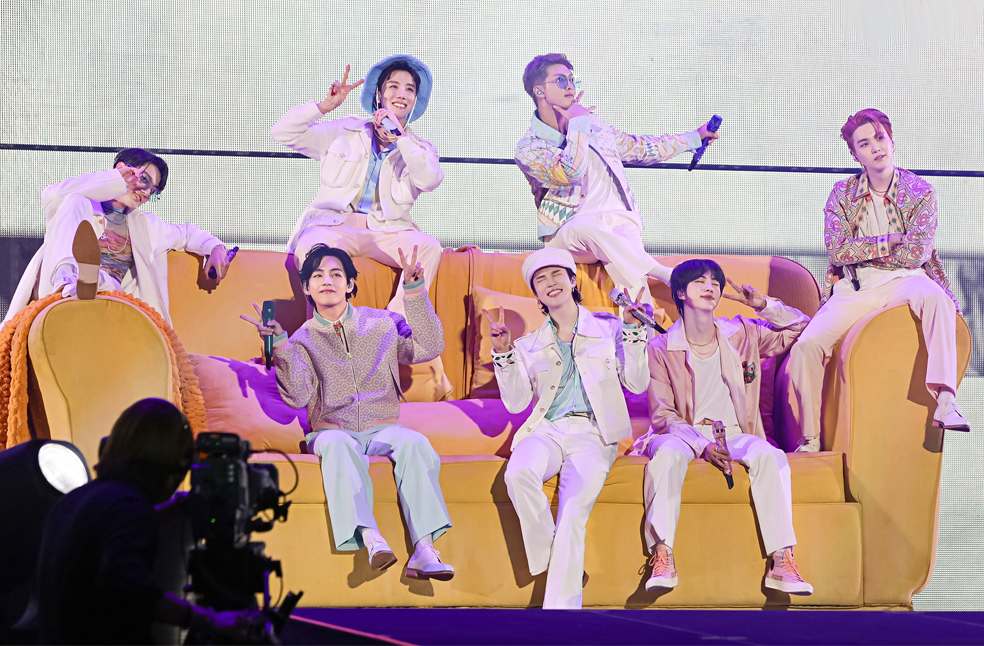
Haitus but remained
Despite the long absence of full-group performances, BTS fans have remained engaged throughout the hiatus. According to Spotify data, global streams of BTS music fell by 24 per cent in 2023 and 30 per cent in 2024, before stabilising in 2025. The streaming platform expects listeners to surge sharply in 2026 following the band’s return.
However, experts say the figures do not reflect how carefully BTS’s hiatus was managed. Rather than a complete absence, fans received a steady stream of content through solo releases, individual tours, and livestreams.
While all South Korean men must serve between the ages of 18 and 28, the law was amended to allow K-pop stars to delay enlistment until age 30. In BTS’s case, each member staggered their roughly 20-month service periods, reducing the time when all seven members were away simultaneously.
Although streams for the group declined, individual projects thrived. Jung Kook’s debut solo single Seven broke streaming records, surpassing 2.5 billion streams, while his total solo catalogue exceeded 9 billion streams.
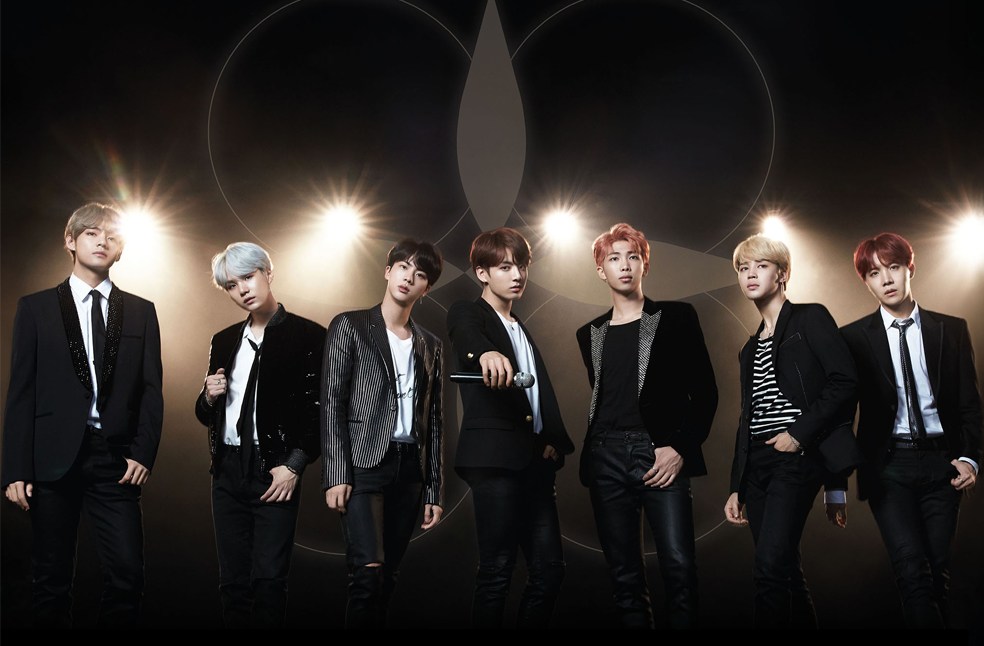
BTS leader RM (Kim Namjoon) and member V (Kim Taehyung) completed their military service and returned in June 2025, marking a significant step toward the group’s full reunion.
The comeback is seen as a major moment not only for fans but also for South Korea’s global cultural influence. BTS have been central to Hallyu, the Korean wave that has driven worldwide interest in K-pop, TV dramas such as Squid Game, beauty products, and other Korean cultural exports.
BTS’s Wembley shows were once viewed as the peak before an expected downturn. However, Korean pop culture has continued to defy expectations, repeatedly finding new ways to reinvent itself.
K-Pop Demon Hunters, which won a Golden Globe this week and emerged as a major success story of 2025, is another example of Korean culture gaining renewed global attention. With BTS returning to the spotlight, she said it is likely the group will dominate 2026, once again reshaping the global music landscape.
MOST READ | Mattel launches 1st Autistic Barbie to expand inclusion
