


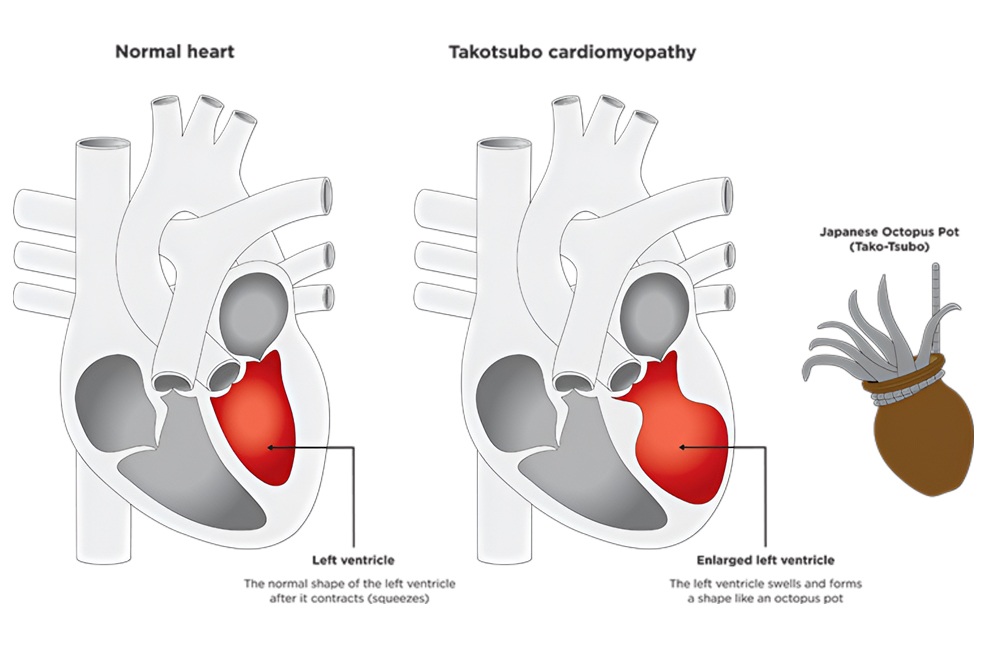
Madrid: Doctors may have discovered a potential way to heal broken hearts in a world-first clinical trial. The study focuses on takotsubo cardiomyopathy, commonly known as broken heart syndrome, a condition affecting hundreds of thousands of people worldwide.
It causes the heart muscle to change shape and suddenly weaken, usually triggered by severe emotional or physical stress, such as losing a loved one. Patients can experience symptoms similar to a heart attack and face double the risk of early death compared with the general population. Some develop heart failure, leading to fatigue, other debilitating symptoms, and a shorter life expectancy. Until now, there has been no cure.
The breakthrough trial revealed that 12 weeks of tailored cognitive behavioural therapy (CBT) or a heart recovery exercise program involving swimming, cycling, and aerobics could help patients’ hearts recover. The findings were presented at the European Society of Cardiology annual congress in Madrid, the world’s largest heart conference.
Dr. David Gamble, a clinical lecturer in cardiology at the University of Aberdeen and presenter of the research, explained that, “In takotsubo syndrome, there are serious effects on the heart, which may not return to normal. We know that patients can be affected for the rest of their lives and that their long-term heart health is similar to people who have survived a heart attack.”
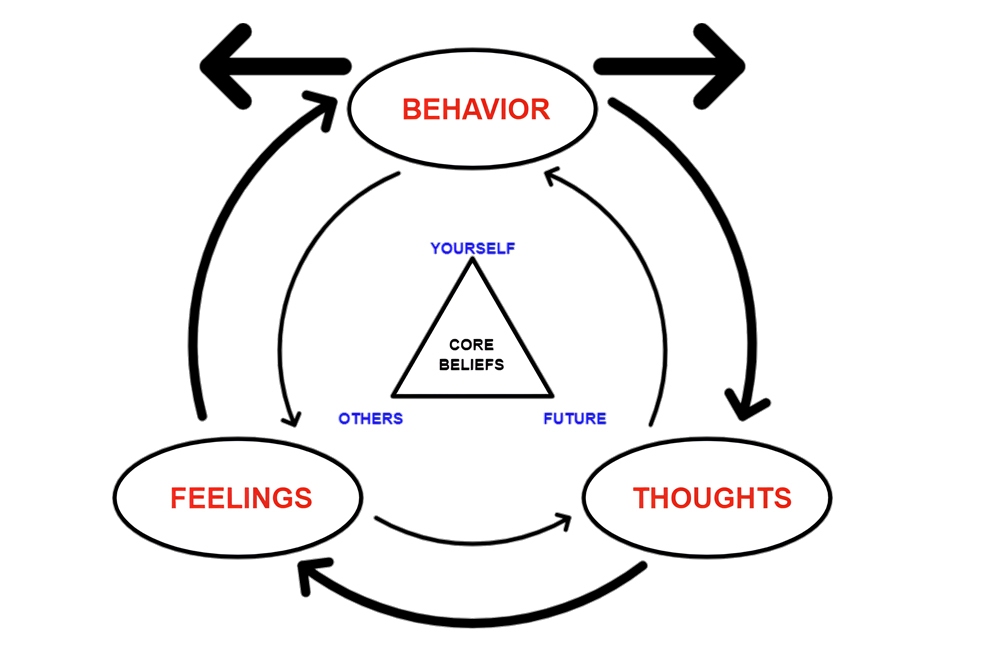
The trial emphasized the importance of the brain-heart axis, showing that CBT or exercise could aid recovery. Gamble noted that both are cost-effective interventions and could benefit this underserved patient group if used more widely in the future.
The study involved 76 patients, 91 percent of whom were women, with an average age of 66. Participants were randomly assigned to receive CBT, the exercise program, or standard care, while continuing all other care recommended by their cardiologists.
The CBT group attended 12 one-on-one weekly sessions, adapted specifically for their condition, with daily support available if needed. The exercise group completed a 12-week program including cycling machines, treadmills, aerobics, and swimming, gradually increasing in session frequency and intensity.
Researchers employed 31P magnetic resonance spectroscopy, a sophisticated imaging technique that allowed them to study how patients’ hearts were producing, storing, and using energy. Both the CBT and exercise groups showed a significant increase in the heart’s available fuel, which was not observed in the standard care group.
In terms of measurable improvements, the CBT group increased their six-minute walking distance from 402 metres to 458 metres, while the exercise group improved from 457 metres to 528 metres. VO2 max, the body’s maximum oxygen consumption during peak exercise, rose by 15 percent in the CBT group and 18 percent in the exercise group. These gains in walking distance and VO2 max are indicators of improved cardiovascular health.
Experts say the treatments could offer long-term benefits, including reduced symptoms and lower mortality risk for patients with broken heart syndrome.
Dr. Sonya Babu-Narayan, clinical director at the British Heart Foundation, which funded the trial, said that, “Takotsubo syndrome can be a devastating condition that affects people at a vulnerable time if triggered by a major life event. While the benefits of exercise for heart patients are not surprising, it is particularly intriguing that CBT also improved heart function and fitness. More research is needed to determine whether these approaches improve survival or symptoms over the long term.”
This landmark study highlights how psychological and physical interventions can significantly aid recovery, underlining the critical connection between the brain and heart. It provides new hope for patients living with a condition that previously had no targeted treatment, showing that broken hearts may indeed be repairable with the right care.
ALSO READ | RSS Chief warns Indian families over falling birth rates
