



London: British inflation has remained at 3.8 percent in August, official figures from the Office for National Statistics have shown, keeping the country’s rate above that of the United States and the euro zone.
The data has reinforced expectations that the Bank of England will not move towards cutting interest rates until 2025.
The inflation figure has been driven by rising food costs, which the Bank of England regards as a crucial influence on public inflation expectations. Food and non-alcoholic beverages have been 5.1 percent higher in August compared with a year earlier, following a 4.9 percent increase in July. This has been the sharpest rise since January last year and has offset a fall in airline ticket prices.
James Smith, research director at the Resolution Foundation, said that headline inflation has remained uncomfortably high and families will continue to feel the pressure. Smith added that the chancellor should take steps in the November budget to ease the burden on households.
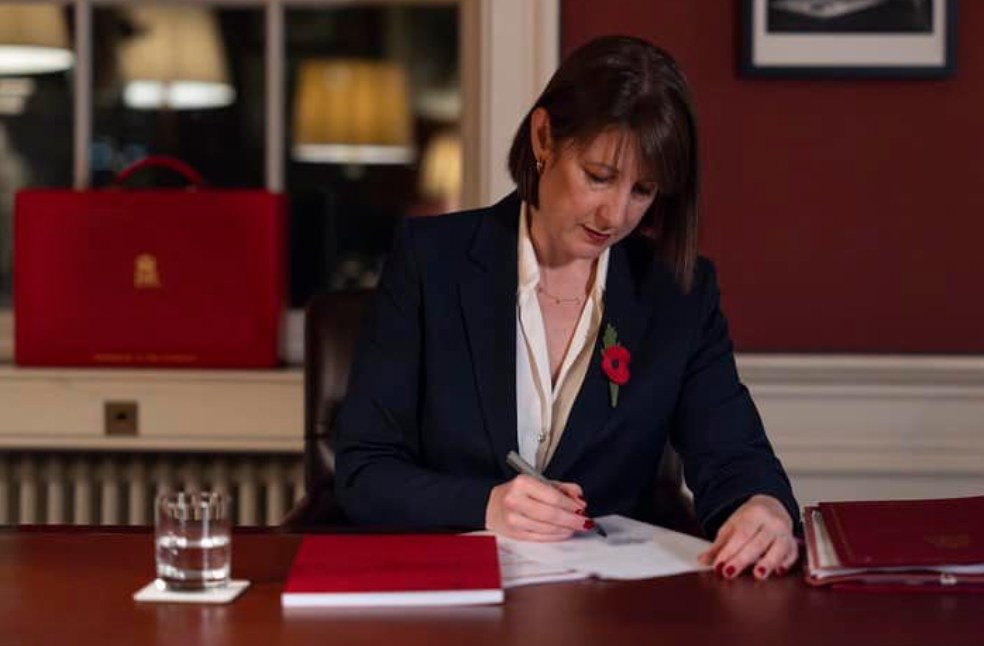
Finance Minister Rachel Reeves said that she is determined to bring costs down and support people dealing with higher bills. At the same time, Reeves is expected to announce fresh tax increases in her upcoming budget on November 26, following higher social security contributions introduced in her October budget last year.
Core inflation, which strips out energy, food, and tobacco, has eased to 3.6 percent from 3.8 percent, while services inflation has slowed to 4.7 percent from 5.0 percent. Despite these declines, the headline rate has stayed well above the Bank of England’s 2 percent target.
In comparison, inflation in the United States has risen to 2.9 percent in August, while euro zone inflation has stood at 2.1 percent, slightly above the European Central Bank’s target.
The Bank of England has projected that inflation will rise to 4 percent in September and remain above its target until spring 2027. With its benchmark interest rate currently at 4 percent, the Monetary Policy Committee is expected to hold steady after narrowly voting 5-4 for a rate cut in its last meeting.
Economists argue that Britain’s loosening labour market could reduce wage growth over time, helping inflation fall closer to levels in the US and euro zone. Paul Dales, chief UK economist at Capital Economics, said that the central bank might lower rates from 4.0 percent to 3.0 percent by the end of next year but warned that upside inflation risks are still too strong for rate cuts this autumn.
POPULAR | Nigerian chef sets Guinness record with biggest jollof rice
