



Liverpool: Britain has considered introducing stricter rules for migrants seeking permanent residency by requiring applicants to demonstrate their contribution to society.
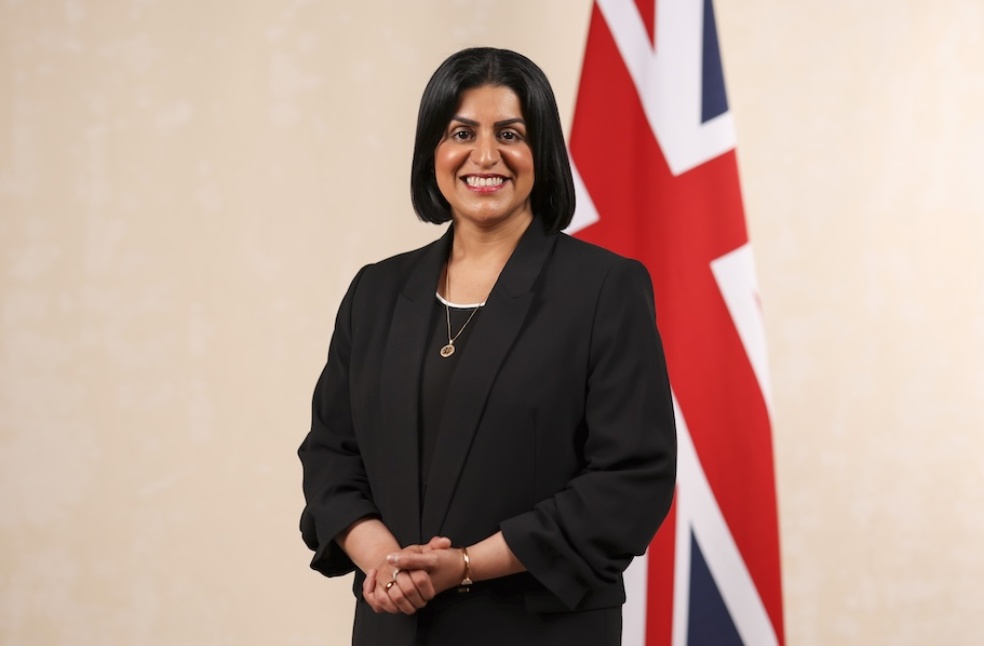
The proposed changes have been outlined by Interior Minister Shabana Mahmood, who will address the Labour Party conference on September 29. At present, most migrants are eligible to apply for ‘indefinite leave to remain’ after five years of residency, granting them the right to settle permanently in the country. However, the government has considered adjustments to the residency rules.
According to extracts of Mahmood’s speech, the new approach could require applicants to provide evidence of paying social security contributions, maintaining a clean criminal record, and avoiding claims for state benefits. Additionally, migrants may be required to demonstrate a strong command of the English language and show proof of volunteering or meaningful participation in community service.
The plan aligns with broader government efforts to address voter concerns on immigration, an issue that has consistently ranked among the most important for the British electorate. Immigration control was a driving factor in the 2016 referendum to leave the European Union. Despite Brexit, net migration levels have reached record highs, intensifying public debate.
The Labour government, led by Prime Minister Keir Starmer, has faced growing political competition from Reform UK, a populist party gaining momentum in opinion polls. Reform UK has gone further by suggesting the complete removal of ‘indefinite leave to remain’, replacing it with a renewable five-year work visa.
Starmer has criticised Reform’s proposals, telling reporters that the party’s deportation plans would represent a ‘racist policy’ that could ‘tear this country apart’. Mahmood has indicated that the government will launch a consultation later this year to gather feedback on the proposed residency changes.
The issue of immigration continues to shape Britain’s political landscape. By linking permanent residency to social and economic contributions, the government has aimed to balance public concerns with the need to uphold fair standards for migrants already contributing to national development.
The debate has also highlighted divisions between competing visions for Britain’s immigration future: one seeking stricter but structured integration, and another advocating radical overhauls of the residency rules. With political pressures mounting, the proposed reforms may serve as a central point of contention in the coming months.
POPULAR | At least 36 dead in stampede at political rally in Tamil Nadu
