


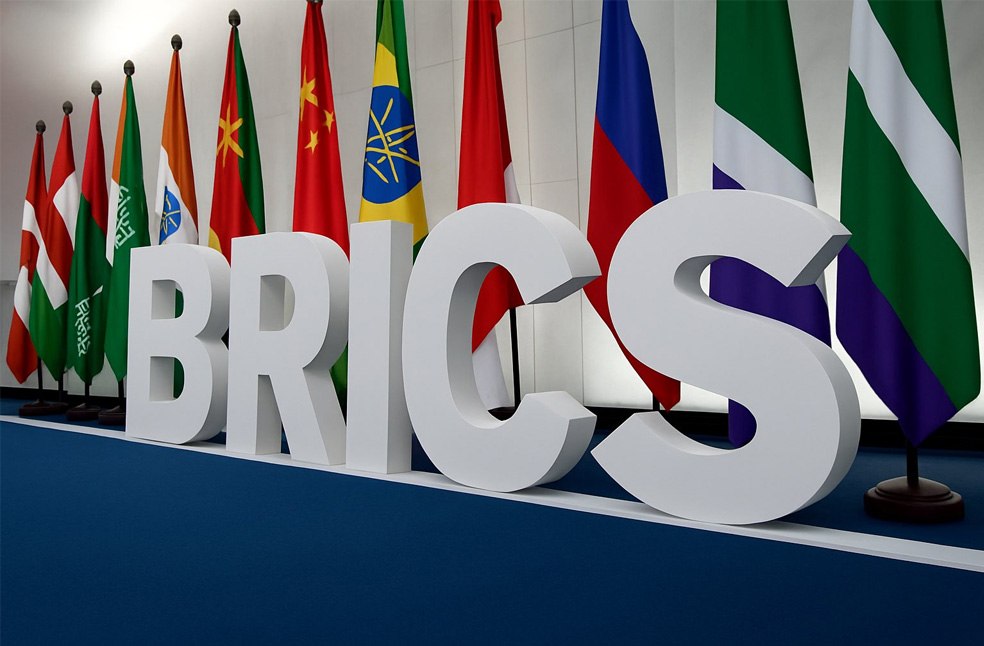
Rio de Janeiro: Leaders of the expanding BRICS coalition convened in Rio de Janeiro for the 17th BRICS Summit, aiming to position the bloc as a champion of multilateralism and an advocate for reforming Western-led global institutions.
The gathering comes as traditional alliances such as the G7 and G20 face internal divisions and the disruptive ‘America First’ approach led by US President Donald Trump.
With the BRICS bloc growing in size and influence, Brazilian President Luiz Inacio Lula da Silva emphasized the group’s role in defending the global trade order.
Speaking at the BRICS Business Forum, the President declared that, “In the face of the resurgence of protectionism, it is up to emerging nations to defend the multilateral trade regime and reform the international financial architecture.”
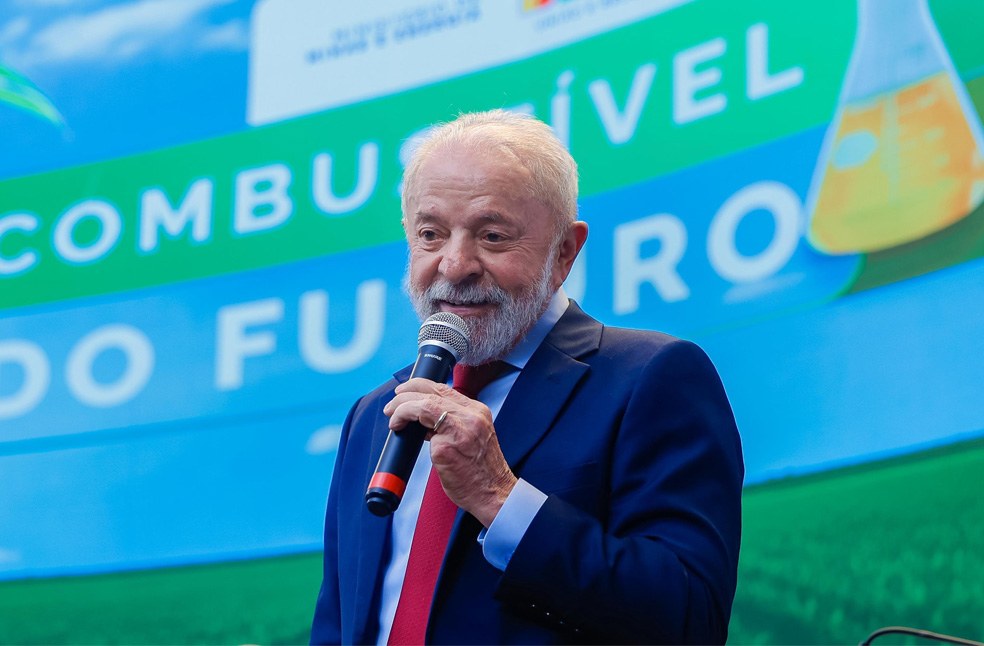
Lula noted that BRICS countries now represent over 50 percent of the global population and 40 percent of the world’s economic output, highlighting their collective power and relevance.
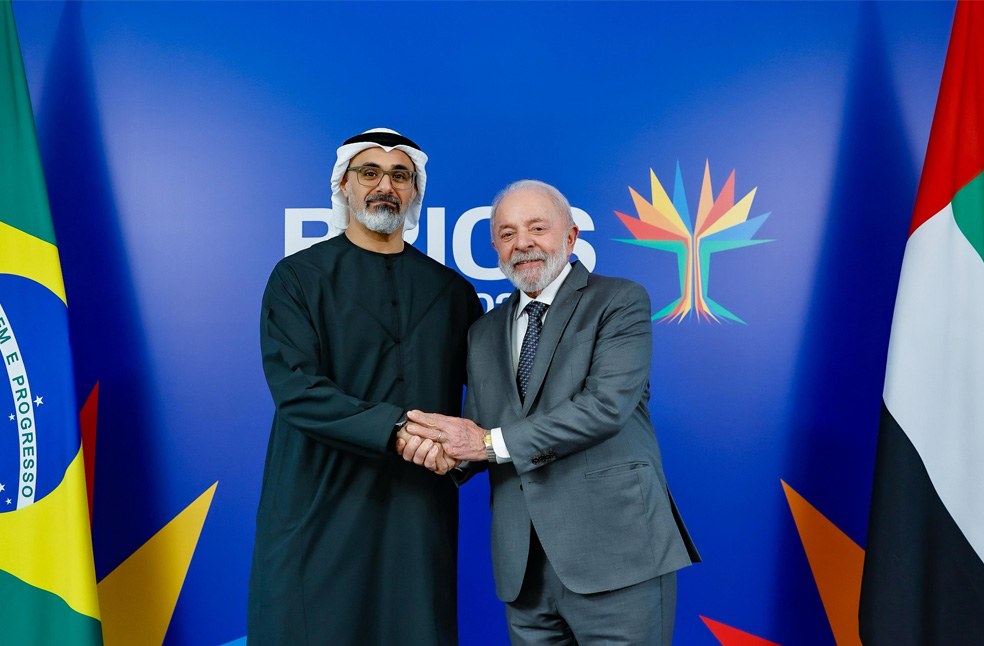
BRICS, originally comprising Brazil, Russia, India, and China, was formed in 2009, later adding South Africa, and in 2023 expanded to include Egypt, Ethiopia, Indonesia, Iran, Saudi Arabia, and the United Arab Emirates (UAE). This year’s summit marks the first time Indonesia is participating as a full member.
A senior Brazilian diplomat stated anonymously that the BRICS bloc is rapidly filling the diplomatic vacuum left by declining Western unity. While the G7 still holds significant global power, its dominance is no longer as pronounced.
However, the expansion of BRICS has also introduced complexities and internal differences, particularly around geopolitical issues and divergent national interests.
In an unexpected shift, Chinese President Xi Jinping decided not to attend in person and sent his prime minister instead. Russian President Vladimir Putin is participating via video link due to an arrest warrant issued by the International Criminal Court.
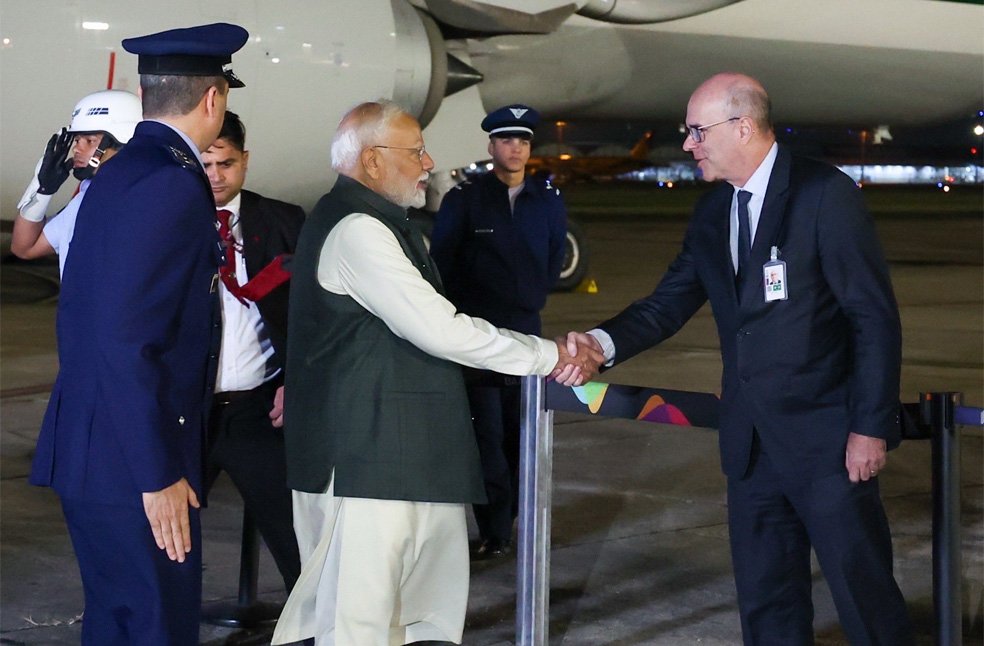
Despite these absences, key leaders including Indian Prime Minister Narendra Modi and South African President Cyril Ramaphosa are attending the summit in person, alongside many other heads of state. The main sessions are being held at Rio’s Museum of Modern Art over July 6–7.
One of the major agenda items is institutional reform. BRICS aims to reform global institutions like the United Nations Security Council (UNSC) and the International Monetary Fund (IMF) to better reflect the current global balance.
However, negotiators have struggled to agree on joint statements regarding sensitive issues such as the bombardment of Gaza, the Israel-Iran conflict, and UNSC reform. According to two sources familiar with the discussions, internal disagreements continue to slow consensus-building within the group.
Another significant focus is climate action. With Brazil also preparing to host the UN Climate Summit in November, the BRICS meeting serves as a platform for emerging economies to highlight their commitment to environmental protection.
Despite the bloc’s diversity, BRICS continues to present a united front against economic protectionism. At a ministerial meeting in April, members voiced concern over ‘unjustified unilateral protectionist measures, including the indiscriminate increase of reciprocal tariffs,’ a pointed reference to Trump’s aggressive tariff policy.
So far, more than 30 countries have expressed formal interest in either joining BRICS or engaging as partners, underscoring the bloc’s growing diplomatic weight and appeal to the Global South. However, the sheer diversity and scale of its membership pose new challenges to cohesion and long-term strategy.
As the summit continues in Rio, BRICS seeks to reinforce its role as a global voice for emerging economies, balancing its ambitions for influence with the complexity of aligning a highly diverse coalition.
MOST READ | Oasis Back on Stage: Cardiff set for long-awaited reunion
