


Gaborone: Botswana has declared a public health emergency as the country faces critical shortages of essential medicines and medical equipment.
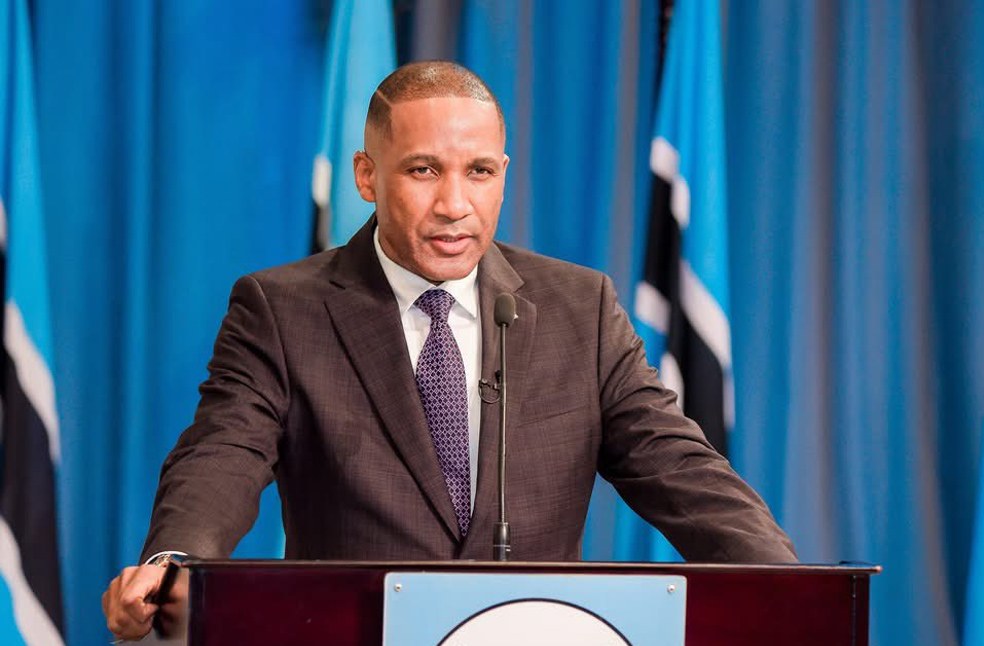
President Duma Boko announced the decision during a televised address, outlining a multimillion-pound plan to rectify the medical supply chain under military oversight. The President acknowledged the challenge of addressing the shortages, noting that it would be ‘highly price sensitive due to our limited coffers.’
The nation’s economy has been severely impacted by a downturn in the international diamond market, as Botswana is one of the world’s leading diamond producers. This economic strain, compounded by cuts to US aid, has left most of the country’s 2.5 million citizens facing unemployment and high levels of poverty, according to media reports.
FIRST BATCH OF MEDICATION ENROUTE UP NORTH!
These trucks are fully loaded with life saving medicines and health products. Departing Gaborone tonight and ready to be delivered across the country to the most remote areas.
This is not just a promise, it's action. A clear… pic.twitter.com/xgdHQ3qSxI
— Duma Gideon Boko (@duma_boko) August 25, 2025
“The work shall remain nonstop until the entire value chain of procurement has been fixed,” President Boko said, announcing that the finance ministry had approved 250 million pula (£13.8 million) in emergency funding to manage the crisis.
Earlier this month, the health ministry issued a warning highlighting ‘significant challenges,’ including medical shortages and debts exceeding one billion pula (£55.2 million). Much of these debts were due to patients being admitted to private hospitals for services not publicly available.
Health Minister Dr. Stephen Modise listed shortages of medicines and supplies for managing cancers, HIV treatments, tuberculosis, and other conditions. Before the US aid cuts imposed by President Donald Trump, the US funded approximately one-third of Botswana’s HIV response, according to UNAIDS.
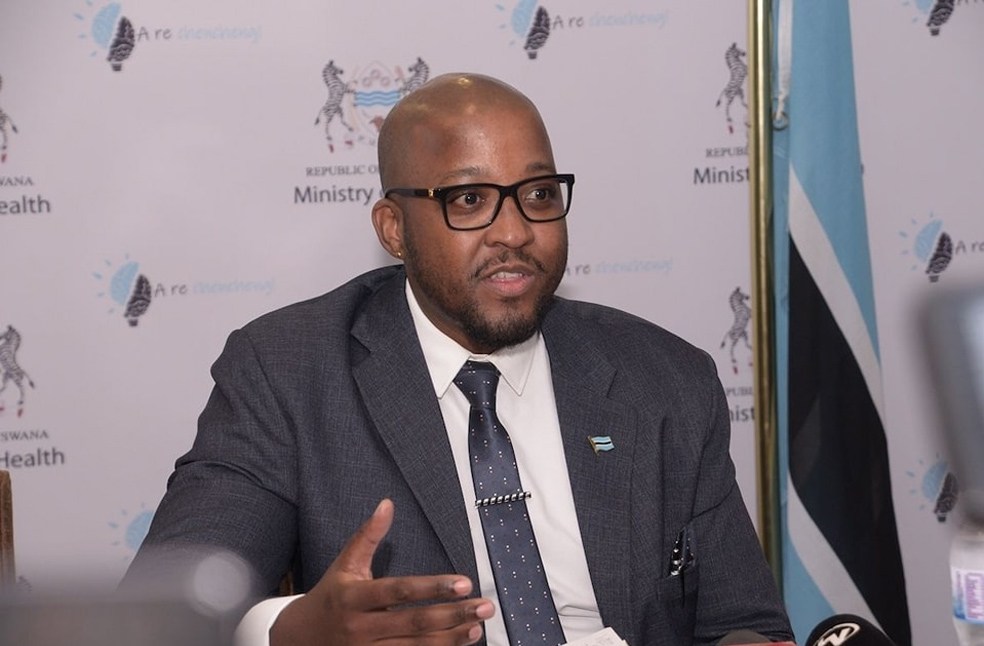
Due to these challenges, the Ministry of Health temporarily suspended referrals for elective surgeries and non-urgent medical conditions, including organ transplant procedures. Despite the difficulties, the government remained positive. Dr. Modise stated that, “I have no doubt that soon, very soon, we will overcome. This is definitely not insurmountable.”
As part of the military’s distribution efforts, the first supply trucks were scheduled to leave the capital, Gaborone, on Monday and reach remote areas by evening, according to Reuters.
UNICEF has urged ‘urgent action’ to “protect the health and future of every child in Botswana.” The agency highlighted that ‘malnutrition is a daily struggle’ in the town of D’Kar and added that “the President’s call underscores what we witness on the ground.”
This public health emergency underscores the urgent need to stabilise Botswana’s healthcare system, ensure the availability of essential medicines, and provide support to vulnerable populations across the country.
MOST READ | Eala makes history with first Grand Slam win at US Open
