


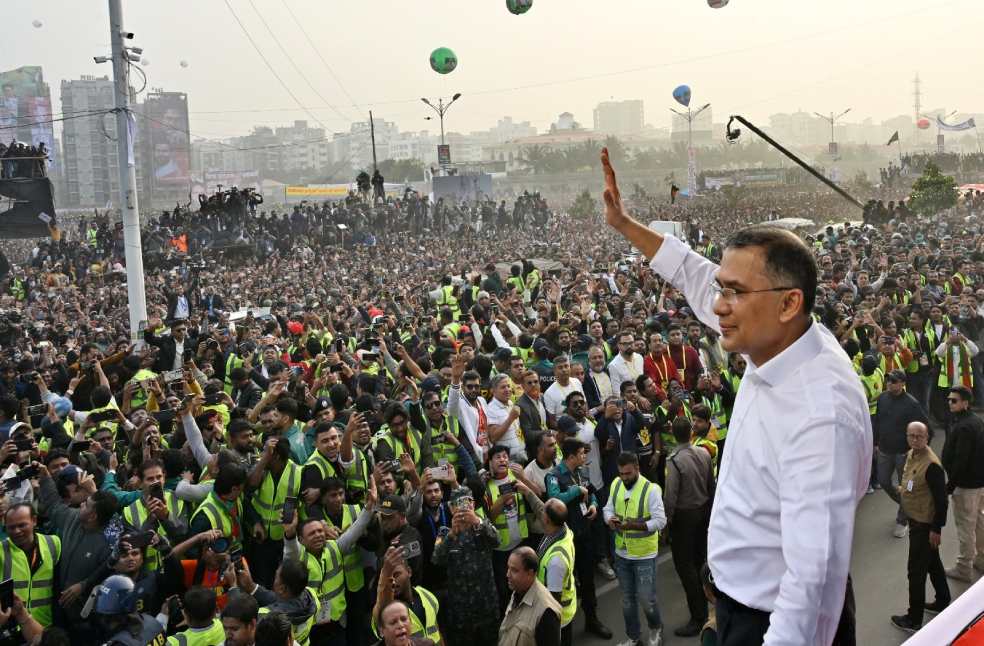
Dhaka: The Bangladesh Nationalist party (BNP) has marked a turning point in Bangladesh after parliamentary elections delivered a decisive majority to the opposition party.
Early results have shown the Bangladesh Nationalist Party securing a strong lead in seat counts, placing Tarique Rahman in line to become the country’s next prime minister. The BNP victory has followed months of political upheaval and public unrest that had reshaped the country’s political environment.
The election has been widely viewed as the first competitive vote in more than 17 years after previous polls faced allegations of irregularities and limited opposition participation. Turnout has been significantly higher than in past elections, reflecting renewed engagement among voters.
Preliminary counts have indicated the BNP winning more than 170 seats early in the tally, with expectations of crossing 200 seats and potentially achieving a two-thirds majority. Rival party Jamaat-e-Islami has secured a smaller share of seats but has recorded its strongest parliamentary presence to date. Party representatives have acknowledged the results while raising concerns about counting irregularities in some constituencies.
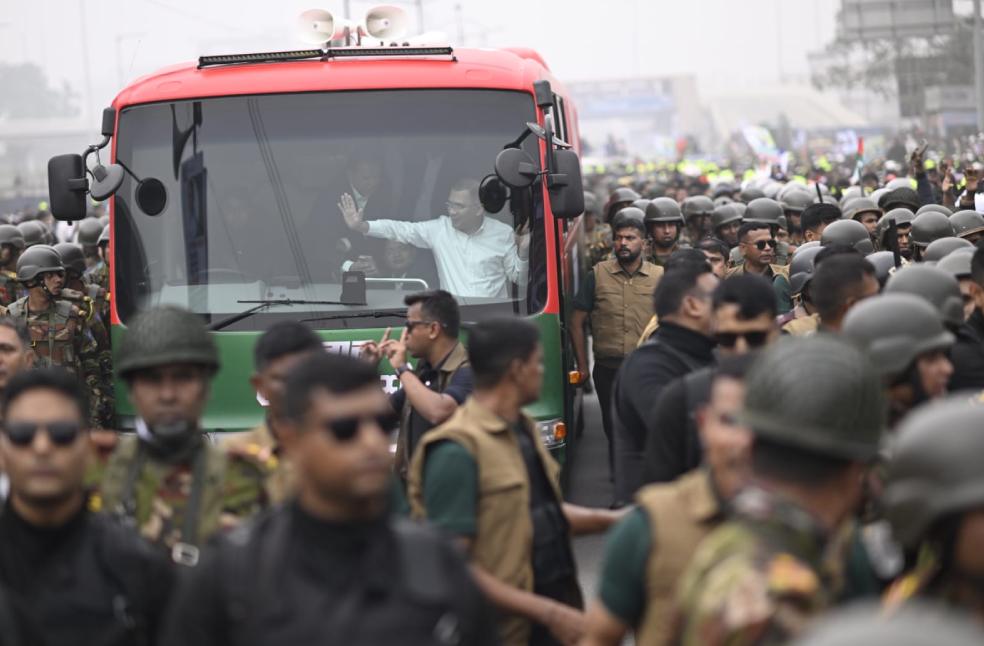
The BNP victory has come after the return of Tarique Rahman from years in exile abroad. Rahman, the son of former prime minister Khaleda Zia and former president Ziaur Rahman, has emerged as the central figure in the party’s campaign. Campaign promises have included economic reforms, support for low-income households, anti-corruption measures and limits on the length of time an individual can serve as prime minister.
The election has taken place against the backdrop of a major political transition following the removal of the previous government after widespread protests. Observers have described the outcome as crucial for restoring stability in the country of more than 170 million people and for reviving key sectors including manufacturing and exports.
The BNP victory has also coincided with a constitutional referendum covering governance reforms such as term limits for the prime minister and changes to parliamentary structure. Early counting has suggested strong support for these proposals, although final results have yet to be confirmed.
International reactions have begun to emerge as counting has continued. The outcome has been seen as a significant moment for Bangladesh’s political direction and governance, with attention now turning to how the incoming administration will address economic recovery and institutional reforms.
RELATED POST | Bangladesh heads to 1st competitive election in 15 years after Hasina ouster
