


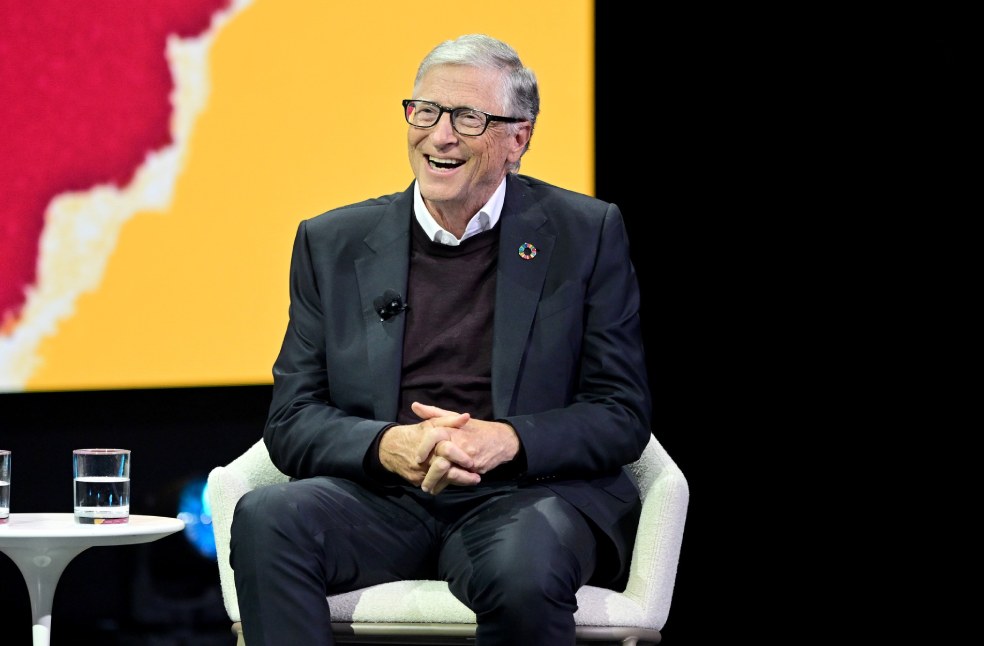
New Delhi: Bill Gates has cancelled a scheduled keynote address at the AI Impact Summit in India, despite earlier plans to speak at the event alongside global leaders and technology executives. The Bill Gates visit to India had included engagements linked to the foundation’s work on using artificial intelligence for social initiatives in partnership with government agencies.
The foundation has stated that the decision was taken after consideration to ensure the summit’s priorities remained the focus. The change came hours before the planned speech and less than two days after confirmation that Bill Gates would attend and deliver the keynote. The event in New Delhi has included participants such as Emmanuel Macron, Mukesh Ambani and several international technology leaders.
The cancellation has occurred as renewed scrutiny has surrounded past links between Bill Gates and Jeffrey Epstein following the release of additional documents in late January. Gates has expressed regret over past interactions with Epstein and has denied claims related to allegations referenced in newly surfaced materials. Epstein died in August 2019 while in custody in New York awaiting trial on sexual abuse trafficking charges.
Melinda French Gates has also spoken publicly about the impact of the controversy, noting that the release of documents has revived difficult memories from the marriage. The foundation has emphasised that work in India on health and development programmes will continue and that representation at the summit will be led by Ankur Vora, president of the Africa and India offices.
The AI summit has featured participation from technology and policy leaders including Sam Altman, Sundar Pichai and Sriram Krishnan, alongside political representatives from several countries. Discussions have focused on artificial intelligence governance, global access and economic implications of emerging technologies.
International voices at the summit have urged stronger collaboration and responsible development of AI systems. United Nations leadership has called for broader access to advanced technologies through global funding initiatives, while policymakers have stressed the need for leadership in shaping AI deployment and regulation.
MOST READ | YouTube restores services after global disruption
