


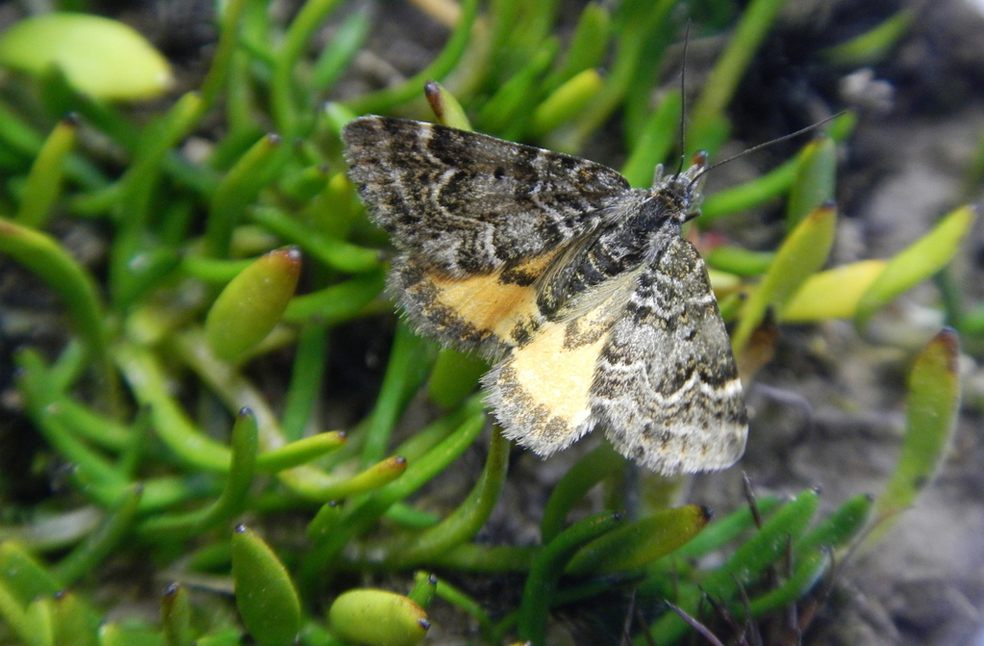
Wellington: A tiny, critically endangered moth named after the blockbuster Avatar films has been crowned New Zealand’s Bug of the Year, shining a spotlight on environmental concerns linked to proposed mining activity threatening its only habitat.
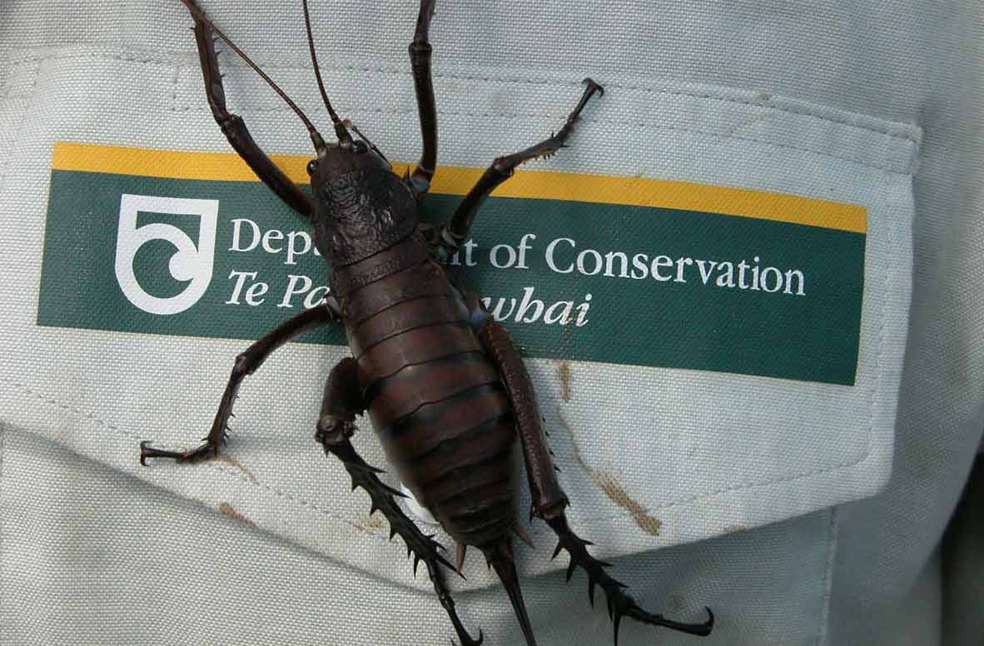
The Avatar moth won by a wide margin, securing 5,192 votes out of more than 11,000 cast, 2,269 votes ahead of the runner-up, the mahoenui giant wētā, one of the largest insects in the world.
Other contenders included the strikingly spiky hellraiser mite (Neotrichozetes spinulosa), the country’s heaviest spider known as the black tunnelweb, a giant glow-in-the-dark earthworm, the blue damselfly (Austrolestes colensonis), and the Taranga pill woodlouse (Cubaris tarangensis).
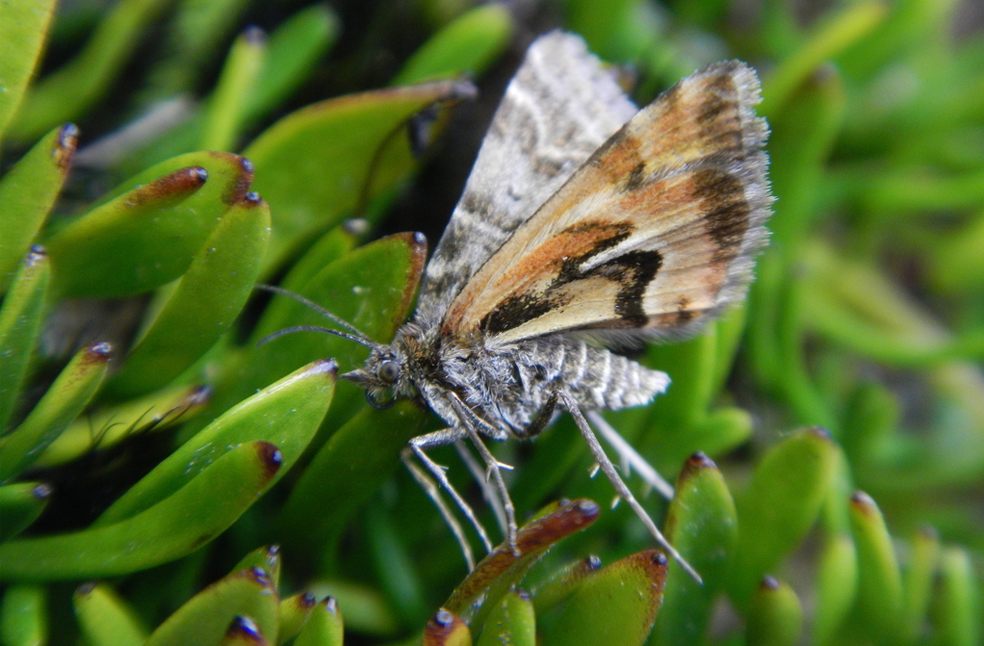
Scientifically named Arctesthes avatar, the moth belongs to the Geometridae family and is endemic to New Zealand. It is a day-flying species distinguished by brindled brown and marigold-coloured wings.
The Avatar moth lives exclusively on the Denniston Plateau and nearby Mount Rochfort on the South Island’s west coast, making its survival closely tied to this ecologically significant landscape.
The species was discovered in 2012 by entomologist Brian Patrick during a ‘bioblitz,’ an intensive scientific survey aimed at identifying species within a specific area, organised by the conservation group Forest & Bird. The organisation later ran a public naming competition, with ‘Avatar’ selected to symbolise the moth’s vulnerability to mining threats.
The name draws a deliberate parallel to the fictional universe created by filmmaker James Cameron, where a unique ecosystem faces destruction from corporate mining.
In a real-world echo of that storyline, the Denniston Plateau is currently the subject of a mining expansion proposal that could see a substantial area excavated for a large open-cast coal mine. The proposal is progressing under a new regulatory regime that could fast-track contentious mining and infrastructure projects.
Nicola Toki, Chief Executive of Forest & Bird, said that it was deeply symbolic that a species named after Avatar, a film warning about environmental destruction, is now facing potential extinction due to fast-track approvals on public conservation land.
Backing the moth in the annual Bug of the Year competition, she described it as a powerful reminder of the environmental stakes involved.
“This is a special type of creature, no less important than a kākāpō or panda, and we can’t just afford to write it off,” Toki said, adding that many New Zealanders feel uneasy about what she described as “planned extinctions.”
The mining proposal is led by Bathurst Resources, which says it would minimise environmental impacts, relocate species where possible, and offset biodiversity loss. Resources Minister Shane Jones has previously stated that expanding mining activity is necessary to strengthen the economy and create jobs, even if it involves environmental trade-offs.

The Bug of the Year competition was launched in 2023 by the Entomological Society of New Zealand, inspired by Forest & Bird’s popular Bird of the Year contest. The competition’s popularity continues to grow, with this year’s edition generating the highest number of votes to date.
Each shortlisted species has a dedicated ‘champion,’ volunteers including enthusiasts, museums, or environmental organisations, who advocate for their chosen insect. The winning champion decides how public donations raised during the competition are spent.
Dr. Jenny Jandt, a senior zoology lecturer at the University of Otago and one of the competition’s coordinators, said the initiative not only highlights the country’s extraordinary biodiversity but also brings communities together.
Jandt noted that New Zealand is home to uniquely diverse fauna and said the competition aims to broaden public awareness of the insect world beyond common species such as sand flies and garden pollinators, encouraging appreciation for the wide and often overlooked variety of insects, including the now-celebrated Avatar moth.
ALSO READ | Prince Andrew arrested over Epstein-linked allegations
